

Is Chest Skin Elasticity Important for Gynaecomastia Surgery?
Discover why chest skin elasticity matters in Gynaecomastia Surgery in Dubai and how skin quality can influence chest contours, healing, and surgical results.
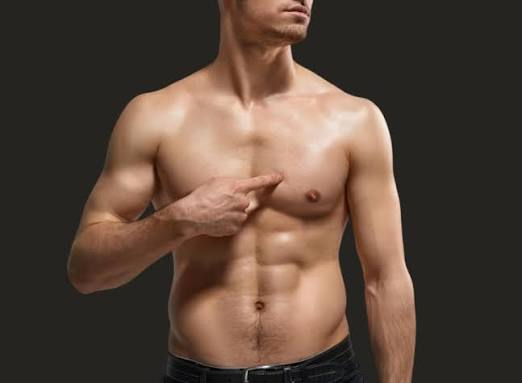
When considering male breast reduction, most individuals focus on removing excess chest tissue. However, skin quality is another important factor that influences the appearance of the treated area. After excess fat or glandular tissue is removed, the remaining skin needs to adjust to the new chest volume.
Gynaecomastia Surgery in Dubai addresses unwanted male breast enlargement, but the final contour also depends on how the surrounding skin responds. Understanding skin elasticity can help individuals develop realistic expectations about their potential results.
What Is Chest Skin Elasticity?
Skin elasticity refers to the skin's ability to stretch and return towards its original shape. This characteristic helps the skin adapt when the volume beneath it changes.
In men with good elasticity, the chest skin may contract more effectively after tissue removal. This can contribute to a smoother appearance and a more defined chest outline.
However, reduced elasticity may make it harder for the skin to adjust completely, potentially leaving some looseness after surgery.
How Skin Quality Influences Surgical Results
The amount of excess tissue removed is only one part of male chest contouring. The condition of the surrounding skin can influence how natural the chest looks after healing.
Skin Contraction After Tissue Removal
When glandular tissue or fatty deposits are removed, the chest has less volume beneath the skin. The remaining skin gradually adapts during recovery.
The degree of contraction differs between individuals. Good elasticity may support better adjustment, while stretched or loose skin may require additional treatment considerations.
Changes Around the Nipple Area
The nipple and areola are important parts of the chest's overall appearance. Excess tissue beneath this area can create a raised or enlarged appearance.
After tissue removal, the surrounding skin needs to settle naturally. Skin quality and the original position of the nipple can influence the final appearance.
Maintaining a Smooth Chest Outline
A balanced chest contour requires an appropriate relationship between the treated area and surrounding tissues. Limited skin elasticity may contribute to visible looseness or unevenness in some individuals.
Treatment planning should consider these characteristics before surgery rather than focusing exclusively on tissue reduction.
Factors That Affect Chest Skin Elasticity
Several characteristics can influence how well the skin responds after male breast reduction.
Age and Natural Skin Changes: Skin gradually loses some elasticity with age. This can influence how effectively it adjusts after changes in chest volume.
Previous Weight Fluctuations: Significant weight gain and loss can stretch the skin. Men who have experienced substantial weight changes may have different skin characteristics from those with stable body weight.
Genetics: Natural differences in collagen production and skin structure can affect elasticity. Some individuals naturally have firmer skin, while others experience looseness earlier.
Duration of Chest Enlargement: Longstanding breast enlargement may stretch the surrounding skin over time. This can influence how the chest responds when excess tissue is removed.
Can Gynaecomastia Surgery in Dubai Improve Loose Chest Skin?
Gynaecomastia Surgery in Dubai primarily focuses on reducing excess glandular tissue and fat. Although the skin may contract naturally after surgery, the procedure does not guarantee complete skin tightening.
The outcome depends on the amount of tissue removed, existing skin quality, and individual healing characteristics.
Men with significant excess skin may require a different surgical approach. In selected cases, additional skin removal may be discussed to improve the overall chest contour. This may involve different incision patterns and potentially more visible scarring.
How Skin Elasticity Is Evaluated Before Treatment
An assessment of the chest helps determine whether the skin is likely to adapt after tissue reduction.
Important considerations include the amount of loose skin, thickness of the surrounding tissue, nipple position, and the overall size of the enlarged chest area.
The assessment also helps distinguish between enlargement caused by fat and glandular tissue. This information supports a treatment plan that addresses both tissue volume and skin characteristics.
Supporting Skin Health Before and After Surgery
Healthy lifestyle habits can support general skin health, although they cannot completely reverse established skin laxity.
Maintaining stable body weight, eating a balanced diet, staying hydrated, and avoiding smoking can contribute to overall skin and wound health.
After surgery, following wound-care instructions and avoiding unnecessary pressure on the treated area are important. Compression garments may also be recommended during recovery.
Exercise should only be resumed according to the recommended healing schedule.
What to Expect During the Healing Process
The chest may initially appear swollen or firm following surgery. These temporary changes can make it difficult to evaluate the final skin appearance.
As healing progresses, swelling gradually decreases and the surrounding tissues settle. Skin adjustment may continue over several months.
Individuals should attend recommended follow-up appointments so that the healing process and chest contour can be assessed.
Final Thoughts
Skin elasticity is an important consideration when planning male breast reduction because it influences how the chest adapts after excess tissue is removed. Gynaecomastia Surgery in Dubai can improve unwanted chest fullness, but individual skin characteristics play a role in the final appearance. Understanding these factors before treatment helps establish realistic expectations and supports appropriate surgical planning. TAJMEELS CLINIC offers an opportunity to explore male chest contouring options and understand how skin quality may influence an individual's treatment approach.
For More Details, Contact Us Through:
WhatsApp: +971 56 203 8751
Phone: +971 4 373 9000
Social Media:

Provide health services








Comments (0)