

Automotive Aftermarket Market: Brake Pad Replacement Signs, Benefits, and Selection Guide
Replacing brake pads is imperative for road safety. The friction between brake pads and rotors slows and stops a vehicle

Brake Pad Replacement: Indications, Importance, and selection
Replacing brake pads is imperative for road safety. The friction between brake pads and rotors slows and stops a vehicle. If the pad friction is less, it takes longer to stop the vehicle and can lead to complete stoppage failure. If pad friction is less, it means the pad material is worn out and requires replacement. It is important for safety of the vehicle’s occupants and other road users to replace the brake pads at the recommended intervals.
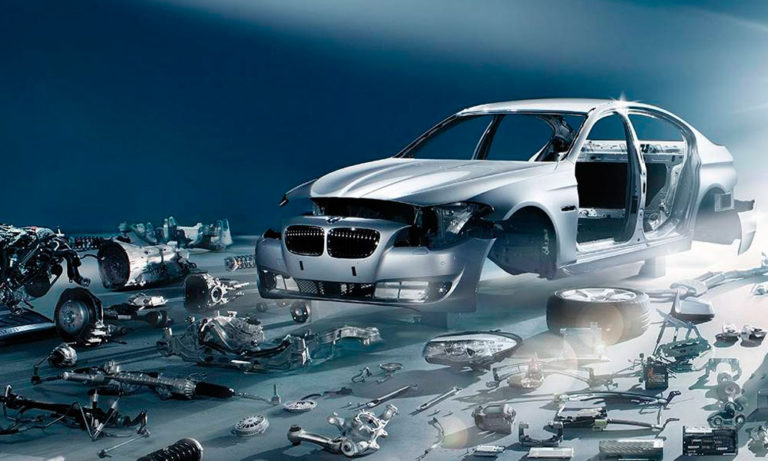
Indicators for Brake Pad Replacement
Brake pads have a thin metal shim which is called an indicator. The indicator contact’s the rotor and creates a high pitched squeal or squeak which lets the driver know that pad material is less and requires replacement. If the indicator contacts the rotor, pad material is completely worn out and the metal plate which backs the pad contact’s the rotor. This condition requires immediate replacement as it can cause damage to the rotor.
Worn out pads cause brake rotors to warp. This affects the performance of the braking system. Worn out pads also increase the distance required to stop a vehicle.
Different vehicles equip their braking systems with pad wear sensors. These sensors activate a warning light on the dashboard when pad thickness reaches a certain threshold.
Benefits and Costs
From a safety and performance standpoint, replacing the pads is beneficial. If the pads are worn, a vehicle’s braking system will not be able to bring the vehicle to a full stop, increasing the risk of a crash.
Worn pads also adversely affect the rotors and callipers, increasing the risk of failure and requiring a more expensive repair. Decreased fuel economy also becomes a effect of worn pads. From a maintenance standpoint, replacing the brake pads is beneficial. The GMI Research report indicates the automotive aftermarket is expected to be worth 753 billion by 2033.
Ratings and Materials
Brake pads are rated based on performance and material. The performance of the pads depends on the trade-offs of the material used.
Pads made with organic materials (rubber, glass, resin, etc.) create less noise when brakes are applied, but have a lower overall lifespan. Pads made with a mix of metallic fibers provide improved performance and longevality, but increase noise and wear on rotors. The best overall pads are ceramic pads. The only disadvantages of ceramic pads are an increased cost, and that they are not as widely available.
Next, driving conditions are considered. When driving includes frequent, long descents (i.e. mountain driving) pads that dissipate heat better are needed. Your vehicle's specifications play a role as well. Pads must matched so as not to detrimentally affect stopping power.
The bottom line is that routine maintenance is required to keep a vehicle safe and performing at its best. While noise and rotor wear are affected by the materials used in the manufacture of the brake pads, ceramic pads are the longest lasting, and therefore would help avoid the need for more frequent brake pad replacement.

I’m Alfred Lio, a content writer and digital contributor with a strong interest in creating clear, engaging, and research-backed content for online audiences. I focus on breaking down complex ideas into simple, readable insights that help readers understand trends, industries, and real-world applications without feeling overwhelmed.








Comments (0)