

Lichen Planus Mouth Cause: What Triggers Oral Lichen Planus
Understanding the Lichen Planus Mouth Cause can help people recognize possible triggers, manage uncomfortable symptoms, and make informed decisions about oral health. Oral lichen planus is a chronic inflammatory condition that affects the lining of the mouth. It may appear as white, lace-like lines, red patches, swollen gums, or painful ulcers

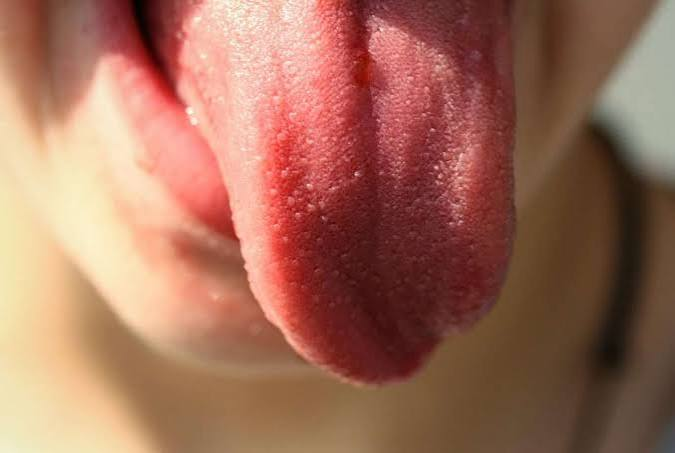
Understanding the Lichen Planus Mouth Cause can help people recognize possible triggers, manage uncomfortable symptoms, and make informed decisions about oral health. Oral lichen planus is a chronic inflammatory condition that affects the lining of the mouth. It may appear as white, lace-like lines, red patches, swollen gums, or painful ulcers. Some people experience mild symptoms, while others develop burning sensations that make eating, drinking, and brushing their teeth uncomfortable.
The exact cause of oral lichen planus is not fully understood. Researchers believe that the immune system plays a central role, while certain medications, dental materials, stress, and local irritation may contribute to symptoms or flare-ups in some individuals.
Learning about these factors is an important first step toward managing the condition. This guide explains the possible causes of oral lichen planus, common triggers, symptoms to recognize, and practical approaches to oral care. It also discusses Natural Treatment for Lichen Planus, Herbal Remedies for Lichen Planus, and the importance of evaluating health products carefully with professional guidance.
What Is Oral Lichen Planus?
Oral lichen planus is a long-lasting inflammatory disorder affecting the mucous membranes inside the mouth. These membranes cover areas such as the inner cheeks, gums, tongue, and sometimes the lips.
The condition is associated with an abnormal immune response in which immune cells attack cells in the lining of the mouth. This inflammation can change the appearance and sensitivity of the affected tissues.
Oral lichen planus is not considered a contagious disease. You cannot catch it through kissing, sharing utensils, or ordinary contact with another person.
The condition may occur on its own or alongside lichen planus affecting the skin, scalp, nails, or other mucous membranes. Some people have symptoms that come and go, while others experience persistent inflammation over many years.
According to medical references, its precise cause remains uncertain, although immune-mediated inflammation is considered a key mechanism.
What Is the Main Lichen Planus Mouth Cause?
The primary suspected mechanism behind oral lichen planus is an inappropriate immune response. However, there is no single confirmed cause that explains every case.
Normally, the immune system protects the body from harmful organisms and other threats. In oral lichen planus, certain immune cells, particularly T lymphocytes, attack cells in the oral lining. This response causes inflammation and damages the affected tissue.
Researchers are still investigating why this reaction begins. Genetic susceptibility, environmental exposures, certain medicines, and other health-related factors may contribute in some cases.
It is important to distinguish between the underlying cause and a trigger. The underlying cause refers to the biological process responsible for the condition, while a trigger is something that may worsen existing inflammation or provoke symptoms.
For example, spicy food may cause burning in someone who already has oral lichen planus. This does not necessarily mean that spicy food caused the condition in the first place.
Understanding this difference can help people avoid unnecessary dietary restrictions and focus on the factors that genuinely affect their symptoms.
1. Immune System Activity
The immune system is considered the most important factor in the development of oral lichen planus.
In affected individuals, immune cells mistakenly target cells in the mouth's lining. This creates an inflammatory response that can lead to white markings, redness, erosions, and soreness.
The exact reason for this immune reaction is still being studied. Researchers have investigated genetic influences, environmental exposures, and other biological factors that might contribute to the process.
Oral lichen planus is sometimes described as an immune-mediated condition. However, this does not mean that every person with the condition has a general immune deficiency or a confirmed autoimmune disorder.
The immune response can remain active for long periods, which helps explain why symptoms may persist or return after improving.
Treatment generally focuses on controlling inflammation, reducing discomfort, and monitoring the mouth for changes rather than assuming that one intervention can permanently eliminate the underlying cause.
2. Stress and Emotional Strain
Stress is frequently reported by people who experience oral lichen planus flare-ups. Some notice increased burning, soreness, or discomfort during periods of emotional pressure, poor sleep, or anxiety.
The relationship is complex. Stress has not been established as the sole cause of oral lichen planus, and many people develop the condition without identifying any particular stressful event.
Nevertheless, managing stress may help improve general well-being and make symptoms easier to cope with.
Consider these practical strategies:
· Maintain a consistent sleep schedule.
· Take regular breaks during demanding workdays.
· Try gentle breathing exercises or meditation.
· Engage in enjoyable physical activity appropriate for your health.
· Seek professional support if anxiety or ongoing stress becomes difficult to manage.
Keeping a symptom diary can also help you notice whether flare-ups repeatedly coincide with stressful periods.
If you find a pattern, stress management may be a useful addition to your oral care routine. It should not replace an examination or prescribed treatment.
3. Certain Medications
Some medicines can produce reactions that resemble oral lichen planus. These are often called oral lichenoid drug reactions.
Medications reported in association with lichenoid reactions include certain blood pressure medicines, nonsteroidal anti-inflammatory drugs used for pain, some antibiotics, and particular antimalarial medicines.
The distinction matters because a medication-related reaction may require a different management approach from typical oral lichen planus.
A healthcare professional may investigate whether symptoms began after a new medicine was introduced or after an existing prescription was changed. The timing of symptoms, the appearance of the lesions, and the person's medication history can all help guide the assessment.
Never stop a prescribed medication on your own. Doing so may worsen the condition for which it was prescribed. If you suspect a medicine is contributing to mouth symptoms, discuss the possibility with your doctor or dentist. They can assess whether an alternative treatment or further investigation is appropriate.
Also mention nonprescription medicines, vitamins, herbal preparations, and other supplements during your appointment.
4. Dental Fillings and Other Oral Materials
Dental materials may contribute to lichenoid reactions in a small number of people.
Certain metals used in dental restorations, including components of amalgam fillings, have been associated with localized reactions that resemble oral lichen planus. Other restorative materials may also be relevant in selected cases.
A possible clue is a lesion located close to a particular filling or dental restoration. However, the location alone does not prove that the filling is responsible.
A dentist can examine the affected area and consider whether the appearance and distribution of the lesions suggest a contact reaction. In some circumstances, additional assessment may be recommended.
Replacing a filling is not routinely necessary for everyone with oral lichen planus. Dental work should be considered only when there is a reasonable clinical basis, because unnecessary replacement can damage healthy tooth structure and create additional costs.
If you suspect a connection between dental materials and your symptoms, request a professional assessment before making decisions about treatment.
5. Irritation From Food and Drinks
Certain foods and drinks can irritate inflamed oral tissues and make existing oral lichen planus more painful.
Common symptom aggravators include:
· Chilli and heavily spiced dishes.
· Citrus fruits and acidic juices.
· Vinegar-rich foods.
· Very hot drinks or foods.
· Salty snacks.
· Hard, sharp, or crunchy foods.
· Alcoholic drinks.
These items are not established as universal causes of oral lichen planus. Their effect varies from person to person, and they may aggravate discomfort without initiating the disease.
For example, someone with sore gums may find that oranges cause stinging, while another person may tolerate them comfortably.
Try identifying your individual triggers rather than eliminating large numbers of foods unnecessarily. If a particular item repeatedly causes pain, temporarily reducing or avoiding it may help.
Choose soft, balanced meals when your mouth is sore. Foods such as cooked vegetables, soft rice, oatmeal, eggs, and other tolerated protein sources may be easier to eat.
If pain makes it difficult to maintain adequate nutrition or hydration, contact a healthcare professional for advice.
6. Toothpaste, Mouthwash, and Oral Hygiene Products
Some oral care products contain ingredients or flavourings that irritate sensitive tissues.
Strong mint flavourings, certain essential oils, alcohol-containing mouthwashes, and some toothpaste ingredients may cause discomfort in susceptible individuals. Sodium lauryl sulfate, a foaming ingredient found in some toothpastes, may also be irritating for certain people, although responses vary.
If brushing causes burning, consider asking your dentist about a mild, unflavoured toothpaste and an alcohol-free mouthwash.
Good oral hygiene remains important because inflamed gums and dental problems can create additional discomfort.
Helpful habits include:
· Use a soft-bristled toothbrush.
· Brush gently twice a day.
· Clean between your teeth as comfortably as possible.
· Avoid aggressive brushing over painful areas.
· Arrange regular dental examinations.
Do not stop brushing altogether because your mouth feels sore. Instead, ask a dentist how to maintain oral hygiene while minimizing irritation.
7. Infections and Other Health Conditions
Researchers have investigated possible associations between oral lichen planus and certain infections, particularly hepatitis C. The strength of this association varies between populations, and hepatitis C is not the explanation for every case.
Some studies have also reported relationships between oral lichen planus and other medical conditions, including thyroid disorders. These associations do not necessarily establish that one condition directly causes the other.
Your clinician may recommend testing based on your symptoms, medical history, risk factors, and local clinical guidance. Testing is not automatically required for every person with oral lichen planus.
Tell your healthcare professional about other ongoing symptoms and known medical conditions. This information can help determine whether additional evaluation is appropriate.
Avoid assuming that a mouth lesion is caused by an infection or trying to treat it with antibiotics without medical advice. Oral lichen planus is an inflammatory condition, and its treatment differs from that of bacterial or fungal infections.
8. Local Injury and Repeated Friction
Physical irritation can make already inflamed tissues more uncomfortable. Sharp teeth, rough dental restorations, poorly fitting dentures, or accidental biting may contribute to localized trauma.
However, ordinary mouth injuries are not established as the cause of every case of oral lichen planus.
If an ulcer repeatedly develops in the same area, ask your dentist to examine the surrounding teeth, fillings, and dental appliances.
Correcting a sharp edge or adjusting a poorly fitting appliance may reduce irritation when a clear mechanical problem is present.
Avoid trying to file teeth, alter fillings, or adjust dental appliances yourself. Professional assessment is safer and helps prevent further injury.
Common Symptoms of Oral Lichen Planus
Recognizing symptoms can help you decide when to seek dental or medical advice.
Oral lichen planus may cause:
White, lace-like lines: Fine white markings may appear on the inner cheeks, tongue, or other oral surfaces.
Red patches: Inflamed areas may look red and feel sensitive.
Painful ulcers: Some people develop erosions or open sores that make eating uncomfortable.
Burning sensations: Spicy, acidic, or hot foods may produce stinging or burning.
Sore or inflamed gums: The gums may become red, tender, or uncomfortable during brushing.
Periods of improvement and worsening: Symptoms may fluctuate over time rather than remaining equally severe every day.
Some people have a reticular form characterized by white lines and little discomfort. Others develop more inflamed or erosive forms that cause significant pain.
These symptoms are not unique to oral lichen planus. Other conditions, including oral candidiasis, traumatic ulcers, immune-related disorders, and potentially serious oral lesions, can look similar.
For that reason, a new or persistent mouth lesion should not be self-diagnosed solely from its appearance.
How Is Oral Lichen Planus Diagnosed?
A dentist, dermatologist, oral medicine specialist, or other qualified healthcare professional can assess suspected oral lichen planus.
The evaluation may include:
1. Medical history: Your clinician may ask about symptoms, medicines, dental work, allergies, and other health conditions.
2. Oral examination: The mouth is checked for white markings, redness, ulcers, and the distribution of affected areas.
3. Medication and dental review: Possible links with medicines or dental materials may be considered.
4. Biopsy when indicated: A small tissue sample may be taken to help confirm the diagnosis or exclude other conditions.
5. Additional tests when appropriate: Depending on the clinical picture, tests for other conditions may be considered.
Not everyone requires every test. The appropriate approach depends on the appearance of the lesions and the clinician's assessment.
Because oral lichen planus can resemble other diseases, obtaining an accurate diagnosis is particularly important before trying unproven remedies.
Managing Oral Lichen Planus and Reducing Flare-Ups
There is no single strategy that works for everyone, but several practical steps may help reduce discomfort.
Choose foods that do not irritate your mouth
During flare-ups, choose softer foods and avoid items that repeatedly cause stinging. Return to a varied diet as your symptoms allow.
Maintain gentle oral hygiene
Brush carefully with a soft toothbrush and use oral care products that do not aggravate your symptoms.
Identify personal triggers
Keep a simple diary recording symptoms, meals, oral hygiene products, medication changes, stress, and dental appointments. Over time, this may help you identify patterns worth discussing with your clinician.
Follow recommended treatment
For painful oral lichen planus, healthcare professionals may prescribe topical corticosteroids in a suitable oral formulation. These medications help reduce inflammation and discomfort. More severe cases may require additional treatment based on an individual's circumstances.
Do not use skin creams inside the mouth unless a healthcare professional specifically confirms that the product and formulation are appropriate.
Attend regular dental follow-ups
Long-term monitoring is important even when symptoms are mild. Your dentist or specialist can check for changes, address oral health problems, and determine whether further investigation is needed.
Natural Treatment for Lichen Planus: What Should You Know?
People often search for a Natural Treatment for Lichen Planus because they want to reduce discomfort without unnecessary medication. Supportive measures can be useful, but it is important to distinguish symptom management from a proven treatment for the underlying condition.
Practical approaches include gentle oral hygiene, avoiding personally irritating foods, drinking adequate water, maintaining a balanced diet, and managing stress.
Some people also investigate Herbal Remedies for Lichen Planus. However, evidence supporting herbal products as effective treatments for oral lichen planus remains limited. A natural ingredient is not automatically safe for inflamed oral tissues, and concentrated extracts or essential oils may cause irritation or allergic reactions.
Before applying any herbal preparation inside your mouth, consult a dentist, doctor, or pharmacist. Avoid products that cause burning or worsen ulcers, and do not use household preparations on oral lesions.
What About Herbal Care Products?
People considering Herbal Care Products should review product ingredients, intended use, safety information, and the quality of supporting evidence.
A product marketed for general wellness should not automatically be considered a treatment for oral lichen planus. Claims that a supplement cures the condition, eliminates its immune-related cause, or replaces prescribed treatment should be approached cautiously.
Discuss supplements with your healthcare professional, especially if you take prescription medicines, have other medical conditions, or are considering using a product directly on the mouth's lining.
If you choose to use a complementary product, treat it as a possible supportive option only when your clinician considers it appropriate. Do not delay diagnosis, abandon prescribed medication, or skip regular oral examinations.
When Should You Seek Medical or Dental Advice?
Arrange an appointment if you notice persistent white or red patches, repeated mouth ulcers, unexplained gum inflammation, or ongoing burning and soreness.
Seek prompt professional assessment if a mouth lesion develops a persistent ulcer, a lump, unexplained bleeding, increasing pain, difficulty swallowing, or a change that does not heal. Difficulty breathing or an inability to swallow fluids requires urgent medical care.
Oral lichen planus is generally a chronic inflammatory condition rather than cancer, but some persistent oral lesions can resemble it, and oral lichen planus has a small potential risk of malignant change. Regular monitoring helps clinicians identify concerning changes early.
Avoid assuming that every new ulcer is simply another flare-up, particularly if it looks different from your usual symptoms or persists despite treatment.
Frequently Asked Questions
1. What is the main Lichen Planus Mouth Cause?
The exact cause is unknown. The leading explanation is an abnormal immune response that attacks cells in the lining of the mouth. Medications, dental materials, and other factors may contribute to lichenoid reactions or aggravate symptoms in some people.
2. Can stress cause oral lichen planus?
Stress is commonly reported as a factor that may worsen symptoms or contribute to flare-ups. However, it is not established as the sole cause of the condition. Stress management may help with coping and general well-being.
3. Is oral lichen planus contagious?
No. Oral lichen planus is not considered contagious and cannot be passed to another person through kissing, sharing food, or using the same utensils.
4. Which foods should I avoid?
Spicy, acidic, salty, very hot, or crunchy foods may irritate affected tissues. Alcohol may also aggravate symptoms. Avoid only those foods that trigger discomfort and maintain a balanced diet.
5. Can toothpaste trigger mouth symptoms?
Certain flavourings and ingredients may irritate sensitive oral tissues. A mild toothpaste and an alcohol-free mouthwash may be more comfortable. Ask your dentist for recommendations if brushing causes persistent pain.
6. Are Herbal Remedies for Lichen Planus effective?
Evidence supporting herbal remedies as a treatment for oral lichen planus is limited. Some supportive measures may help comfort, but herbal products should be reviewed for safety and should not replace professional diagnosis or prescribed treatment.
7. Can oral lichen planus go away permanently?
The course varies. Some people experience periods of improvement, while others have symptoms for years. Even when discomfort settles, regular dental monitoring may still be appropriate.
8. Does oral lichen planus increase the risk of mouth cancer?
There is a small risk of malignant change in oral lichen planus, particularly in persistent or erosive lesions. Regular professional follow-up and prompt assessment of new or changing lesions are important.
Conclusion
The Lichen Planus Mouth Cause remains incompletely understood, but immune system activity is considered central to the condition. Certain medications, dental materials, stress, food irritants, and oral hygiene products may contribute to lichenoid reactions or worsen symptoms in some people.
Although a balanced lifestyle and gentle oral care can support comfort, they do not guarantee that oral lichen planus will disappear. People exploring Natural Treatment for Lichen Planus, Herbal Remedies for Lichen Planus, or Herbal Care Products should prioritize safety, reliable evidence, and professional guidance.
The most effective starting point is an accurate diagnosis, appropriate treatment, attention to personal triggers, and regular dental follow-up. These steps can help protect oral health and make the condition easier to manage over time.
Medical disclaimer: This article is for educational purposes only and does not replace advice, diagnosis, or treatment from a qualified healthcare professional.











Comments (0)