

Genuine Euro Banknotes: Security Checks, Authentication and Consumer Protection
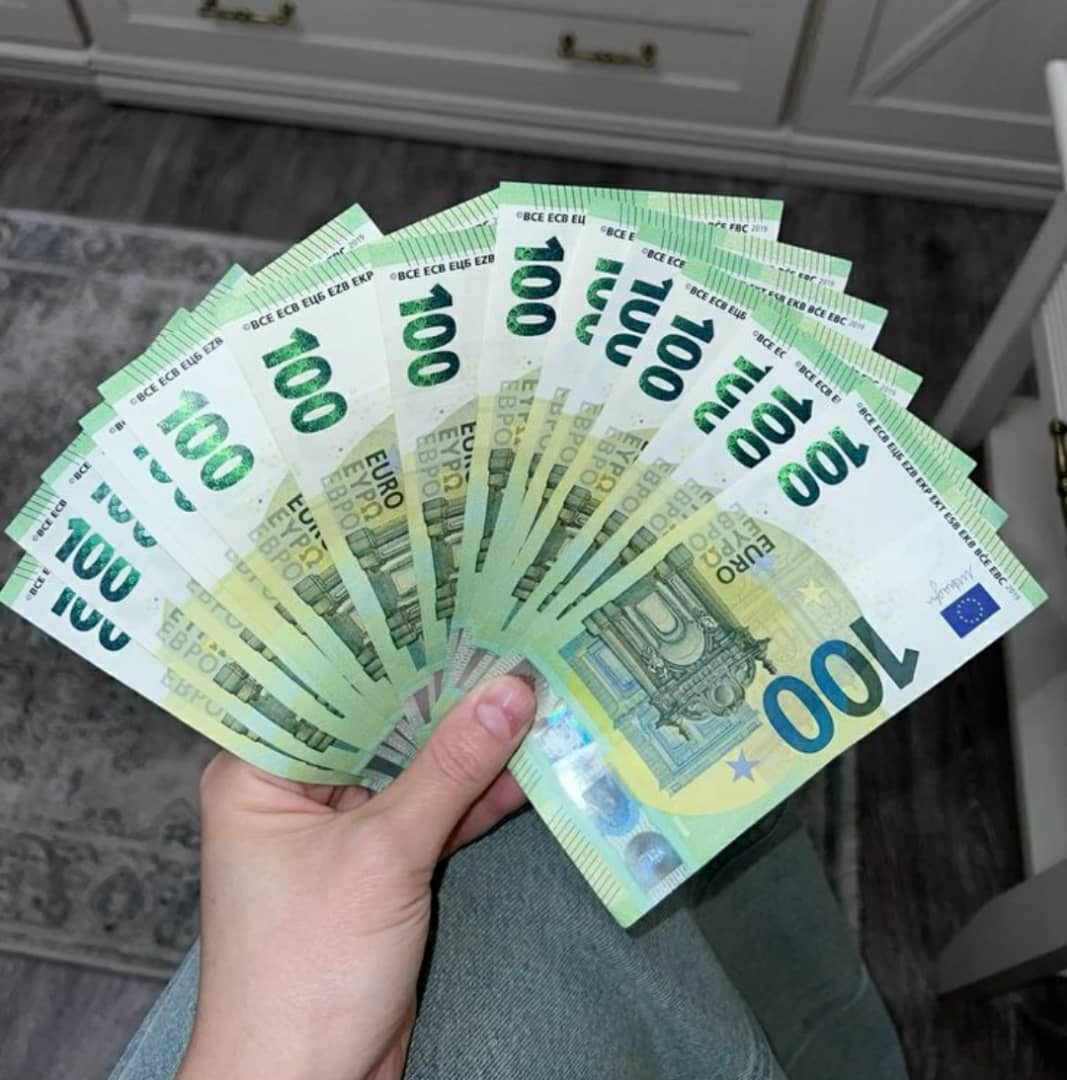
Did you know that the European Central Bank uses hidden "constellations" and metallic threads to ensure your cash stays safe from reproduction? Handling physical money is a daily routine but most people rarely look closely at the paper in their wallets. Understanding these security details helps you protect your finances and prevents the accidental spread of illegal copies. Modern printing technology makes it easier for criminals to create replicas - knowing what is real is your best defense.
Genuine euros are not simple paper - they consist of pure cotton fibers that feel crisp and firm. You can notice a distinct texture when you run your fingers over the surface. If a note feels limp, waxy or overly smooth, it likely lacks the authentic structural integrity required for legal tender - this tactile experience is the first barrier against fraud and is one of the easiest ways for you to spot a fake during a quick transaction.
Key Security Features of Euro Notes
Every euro bill contains multiple high tech layers designed to be difficult to mimic. The "Europa" series, which is the current standard, features a portrait of a figure from Greek mythology. You can see this image in the watermark and the silver stripe when you hold the note against a light source - these visual elements are integrated into the paper itself rather than just printed on top of it.
The holographic stripe is another vital component for you to check. When you tilt the note, the stripe reveals a portrait of Europa and the value of the bill. On the back of lower denomination notes, a glossy stripe shines under bright light, while higher value notes feature a color changing number - these shifting visual effects are extremely hard for standard printers to replicate accurately.
- The Watermark A faint image visible from both sides when held to light.
- The Security Thread A dark line embedded in the paper containing the Euro symbol and the value.
- Raised Print Special ink that feels thicker on the main image and large numerals.
How to Verify Banknotes Manually
You can follow the "Feel, Look, & Tilt" method recommended by central banks to verify any bill in seconds. Start - feeling the raised print on the left and right edges - these small lines are specifically for visually impaired individuals but serve as a great authentication tool for everyone. If these ridges are flat or missing, the note is suspicious.
Next, look at the note against the light to find the transparent window near the top of the silver stripe. In genuine bills, this window becomes transparent and shows a portrait on both sides. Tilt the note to watch the emerald colored number in the bottom corner. The light on that number should move up and down and the color must shift from emerald green to deep blue.
While most people use the manual checks, some businesses use electronic detectors - these machines check for infrared and ultraviolet properties that the human eye cannot see. If you are interested in the technical side of how replicas are made or what individuals sometimes try to pass off as real, you can research realistic prop money details to see the differences in paper quality and markings.
Staying Safe from Counterfeit Currency
Counterfeiters often target busy environments where cashiers are in a hurry. Bars and small shops are common places where fake bills enter circulation. You should be especially careful when receiving change in high value notes like 50 or 100 euros. If you suspect a note is fake, do not accept it, as you will not receive a replacement for a counterfeit bill once it is in your possession.
The circulation of fake currency is a serious issue that affects the economy - devaluing the real money in your pocket. Criminals often sell counterfeit money through hidden online channels to distribute these fakes into the retail system. By staying vigilant and checking your cash immediately, you stop the chain of fraud and protect your own purchasing power.
- Compare a suspect note with one you know is genuine.
- Check for the presence of all security features, not just one.
- Avoid using "movie money" or prop bills for real transactions, as this is a crime.
Consumer Rights & Legal Obligations
Your legal responsibility is clear - if you find a fake note, you must hand it over to the police or your local bank. It is illegal to pass a counterfeit note to someone else once you know it is not real. Doing so can lead to criminal charges, even if you were the original victim of the fraud. Law enforcement agencies track these bills to find the source of the production.
Banks and professional cash handlers are trained to spot the items instantly. If a bank machine rejects your deposit, the staff will inspect the bill and may retain it for investigation. While losing the value of the note is frustrating, reporting the incident helps authorities shut down illegal operations. You are a crucial part of the "second line of defense" in keeping the currency system trustworthy for everyone.
For those curious about the varieties of illegal notes that exist, looking into different categories of fake euros can show you just how many variations exist. Knowledge is your best tool. The more you know about the specific flaws in fakes, the less likely you are to lose money in a transaction.
FAQ
What should I do if I receive a fake euro note?
You must take the note to your local police station or a bank immediately. Do not attempt to spend it, as passing counterfeit currency is a criminal offense. You will not get a refund but reporting it helps stop the criminals.
Can I use "prop money" for fun or theater?
Yes but prop money must follow strict rules, like being a different size than real bills and having "COPY" printed clearly on them. Using prop money to buy goods or services is a serious crime.
Are the older euro notes still valid?
Yes, the original series of euro banknotes is still legal tender. The European Central Bank is gradually replacing them with the "Europa" series, which has better security features. Banks will always exchange the old ones for new ones.
How can I tell if the silver stripe is real?
Tilt the note under a light - The silver stripe should show a portrait of Europa, a large Euro symbol and the value of the note. In fakes, the stripe is often just a dull grey print that does not change or shine.
Dark Web Market Supply is an online marketplace information platform focused on digital marketplace trends, online privacy, cybersecurity awareness, and the evolving world of internet commerce. Our goal is to provide visitors with an accessible place to explore marketplace information, understand digital services, and learn about the security considerations associated with online environments. By bringing relevant topics together in one centralized resource, we aim to make digital research more convenient, informative, and straightforward.












Comments (0)