

Stainless Steel Posts: Benefits, Applications, and Tips for Choosing the Right Products
Explore stainless steel posts for balustrades, balconies and staircases. Compare designs, grades and finishes. Discover quality options at Miami Stainless.
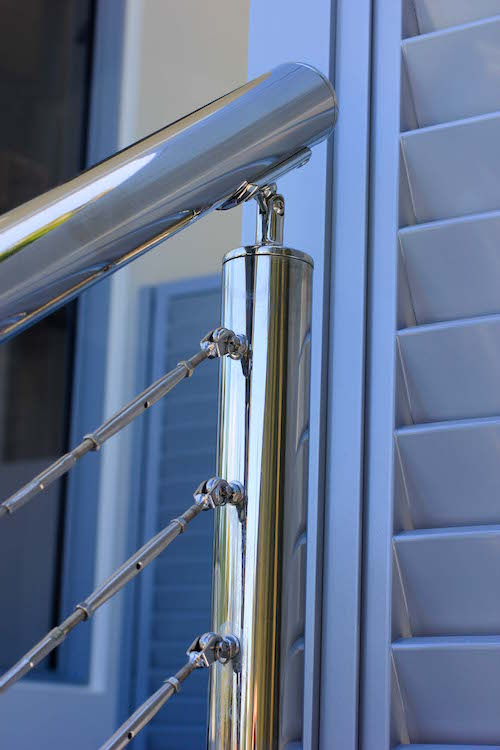
Stainless steel posts are an important component of modern balustrade systems, providing structural support while contributing to a clean and contemporary appearance. They are commonly used in residential properties, commercial buildings, balconies, decks, and staircases. Stainless Steel Posts are available in different designs and finishes to suit various architectural styles and project requirements. Choosing the right posts involves considering material quality, design, installation requirements, and environmental conditions. Working with a reliable Stainless steel supplier can help builders, contractors, and homeowners identify suitable products for their projects. From selecting the appropriate stainless steel grade to matching posts with compatible handrails and wire fittings, careful planning can improve the overall result. Understanding the available options makes it easier to create a balustrade system that balances functionality, appearance, and long-term maintenance requirements.
What Are Stainless Steel Posts?
Stainless steel posts are vertical support components used in balustrades, handrails, and other architectural installations. They help support the associated railing system and can be designed for different layouts, including straight sections, corners, staircases, and balconies. Depending on the application, posts may feature pre-drilled holes, mounting plates, or connections designed to accommodate specific handrail and wire configurations.
These posts are available in different shapes, sizes, and finishes to suit various architectural styles. Round posts can create a softer, streamlined appearance, while square posts often complement contemporary buildings with clean geometric lines. Flat-bar designs provide another option for projects with particular aesthetic or spatial requirements. The appropriate post should always be selected according to the intended application, engineering specifications, and applicable building regulations.
Why Stainless Steel Is a Popular Choice
Stainless steel is widely used in architectural projects because it combines an attractive finish with useful mechanical properties and corrosion resistance. Compared with many conventional steel materials, suitable stainless steel grades can offer better resistance to rust and deterioration when exposed to moisture. This makes them useful for a variety of indoor and outdoor applications, provided the material grade is appropriate for the environment.
Another advantage is design flexibility. Stainless steel posts can complement glass panels, wire balustrades, and tubular handrails, allowing designers to create different visual effects without changing the overall material theme. Finishes such as satin and mirror polish provide additional choices for residential and commercial projects.
Maintenance is also an important consideration. Regular cleaning and inspection can help preserve the appearance of stainless steel and identify potential issues before they become more serious. However, stainless steel is not completely immune to corrosion, so proper material selection and maintenance remain essential, particularly in coastal environments.
Common Applications of Stainless Steel Posts
Stainless steel posts are used across residential, commercial, and architectural settings. In homes, they can support balustrades around balconies, outdoor decks, staircases, and elevated entertaining areas. Their modern appearance works well with timber, concrete, glass, and other construction materials.
Commercial properties may use stainless steel posts in office buildings, hospitality venues, retail spaces, and public-facing architectural projects. Wire balustrade systems can provide a relatively open appearance, while glass balustrades can help preserve sightlines in areas where visibility is important.
The choice of post depends on the project layout, required support, and the type of railing system being installed. Posts for staircases may require different configurations from those used along a straight balcony edge. Correct measurements and suitable mounting arrangements are therefore important before ordering components.
Important Factors to Consider Before Buying
Selecting suitable stainless steel posts requires more than comparing appearance and price. The material grade, dimensions, mounting arrangement, finish, and compatibility with other components can all influence the suitability of a product. Buyers should establish their project requirements before making a final selection.
Consider these five factors when comparing available options:
- Stainless steel grade: Grade 316 is commonly considered for coastal and more corrosive environments, while grade 304 may suit many less demanding applications.
- Post design: Choose between round, square, flat-bar, or other configurations according to the balustrade layout and desired appearance.
- Surface finish: Satin and mirror-polished finishes provide different visual effects and may have different cleaning requirements.
- Installation requirements: Check base plates, fixing methods, post spacing, and mounting surfaces against the project specifications.
- Component compatibility: Ensure posts work with the intended wire rope, glass panels, handrails, and connecting fittings.
Considering these details helps buyers narrow down the available products and reduces the risk of ordering components that do not suit the installation.
How to Choose a Reliable Stainless Steel Supplier
Choosing a suitable supplier can simplify the process of sourcing posts and related hardware. A supplier with a relevant product range can help customers compare designs, review technical specifications, and identify components that work together. This is especially useful for projects that require multiple post types, different finishes, or customised dimensions.
A dependable Stainless steel supplier should provide clear information about product materials, sizes, finishes, and installation requirements. Buyers should also check whether the supplier offers compatible handrails, wire fittings, mounting accessories, and technical resources. For projects with specific engineering or compliance requirements, it is important to confirm product ratings and obtain professional guidance where necessary.
Miami Stainless offers stainless steel balustrade posts, custom manufacturing options, ready-to-install products, and related hardware. Its product range includes options for different balustrade designs, helping customers explore components suited to their project requirements. Reviewing the specifications and installation instructions for each product is an important step before purchasing.
Custom and Ready-to-Install Stainless Steel Posts
Project requirements can vary considerably, which is why both custom and ready-to-install posts can be useful. Ready-to-install options may suit homeowners, installers, and builders working with standard layouts. Depending on the product, posts may be available with pre-drilled holes and configurations designed to accommodate particular handrail or wire systems.
Custom posts can provide more flexibility when a project involves unusual dimensions, specific mounting requirements, or a distinctive architectural design. Customisation may help address particular layout requirements, although the final design must still meet the relevant structural and safety specifications.
When comparing these options, consider the installation timeline, measurements, component compatibility, and total project requirements. A standard product may be suitable for a straightforward installation, while a customised solution may be more appropriate when the design requires specific features. Discussing these details with the supplier before ordering can help establish the most practical approach.
Installation and Maintenance Best Practices
Correct installation is essential for the performance of a stainless steel balustrade system. Before work begins, confirm the post dimensions, fixing locations, substrate condition, and compatibility of all connecting components. Posts should be installed according to the manufacturer's instructions and the project's engineering specifications.
Fixings must be appropriate for the supporting surface, whether the installation involves concrete, timber, steel, or another material. Post spacing, handrail connections, and wire tension must also be considered as part of the complete system. For balconies, elevated decks, staircases, and other safety-critical applications, qualified professionals should verify the design and installation requirements.
Five practical maintenance tips can help keep stainless steel posts in good condition:
- Clean regularly: Remove dirt, dust, and surface contaminants with a suitable stainless steel cleaning method.
- Inspect connections: Check mounting plates, fasteners, and handrail connections for signs of movement or damage.
- Watch for corrosion: Pay attention to tea staining, discolouration, or corrosion, particularly in coastal locations.
- Avoid unsuitable cleaners: Do not use harsh chlorine-based products or abrasive materials that may damage the surface.
- Arrange professional inspections: Follow an appropriate inspection schedule, especially for balustrades in public or high-use areas.
Regular maintenance can help preserve the finish and identify potential problems early, while any structural concerns should be assessed by a qualified professional.
Conclusion
Stainless steel posts offer a practical combination of contemporary design, durability, and versatility for a wide range of balustrade projects. Selecting the right material grade, post configuration, surface finish, and compatible fittings can help create a system that meets the project's functional and aesthetic requirements. Careful installation and regular maintenance are equally important for long-term performance.
Whether you are planning a residential deck, a staircase upgrade, or a commercial architectural project, compare available products and confirm their suitability before purchasing. Explore the range of stainless steel posts, balustrade components, and accessories available from Miami Stainless. Visit the stainless steel posts collection to compare options for your next project.
Frequently Asked Questions
1. What are stainless steel posts used for?
Stainless steel posts are commonly used to support balustrades and handrails on balconies, decks, staircases, and other architectural structures. They can accommodate different railing designs, including wire and glass systems, when the components are correctly specified.
2. Which stainless steel grade is best for balustrade posts?
Grade 316 is often suitable for coastal and corrosive environments because of its enhanced corrosion resistance. Grade 304 may be appropriate for less demanding conditions. The correct choice depends on environmental exposure, design requirements, and maintenance considerations.
3. Can stainless steel posts be customised?
Yes. Custom posts can be manufactured to suit particular dimensions, layouts, or design requirements, depending on the supplier's capabilities. Custom designs should be checked for compatibility, structural suitability, and compliance with applicable building requirements.
4. How do I maintain stainless steel posts?
Clean posts regularly with a suitable stainless steel cleaner or mild cleaning solution, remove contaminants, and inspect connections for damage or movement. Coastal installations may need more frequent cleaning to reduce salt deposits and surface discolouration.
5. How do I choose the right stainless steel supplier?
Look for a supplier offering clear product specifications, suitable material grades, a range of post designs, and compatible accessories. Check product dimensions, finishes, installation guidance, and technical documentation. For safety-critical installations, seek advice from a qualified professional before selecting the final system.

Miami Stainless is Australia’s leading supplier of premium stainless steel hardware. We specialize in high-quality wire balustrade systems, shade sail fittings, and marine-grade components for trade and DIY projects.












Comments (0)