

Understanding TMS Therapy for Chronic Pain, Anxiety, and OCD
Explore TMS therapy for chronic pain, anxiety, and OCD, including current research, potential benefits, treatment considerations, and clinical suitability.
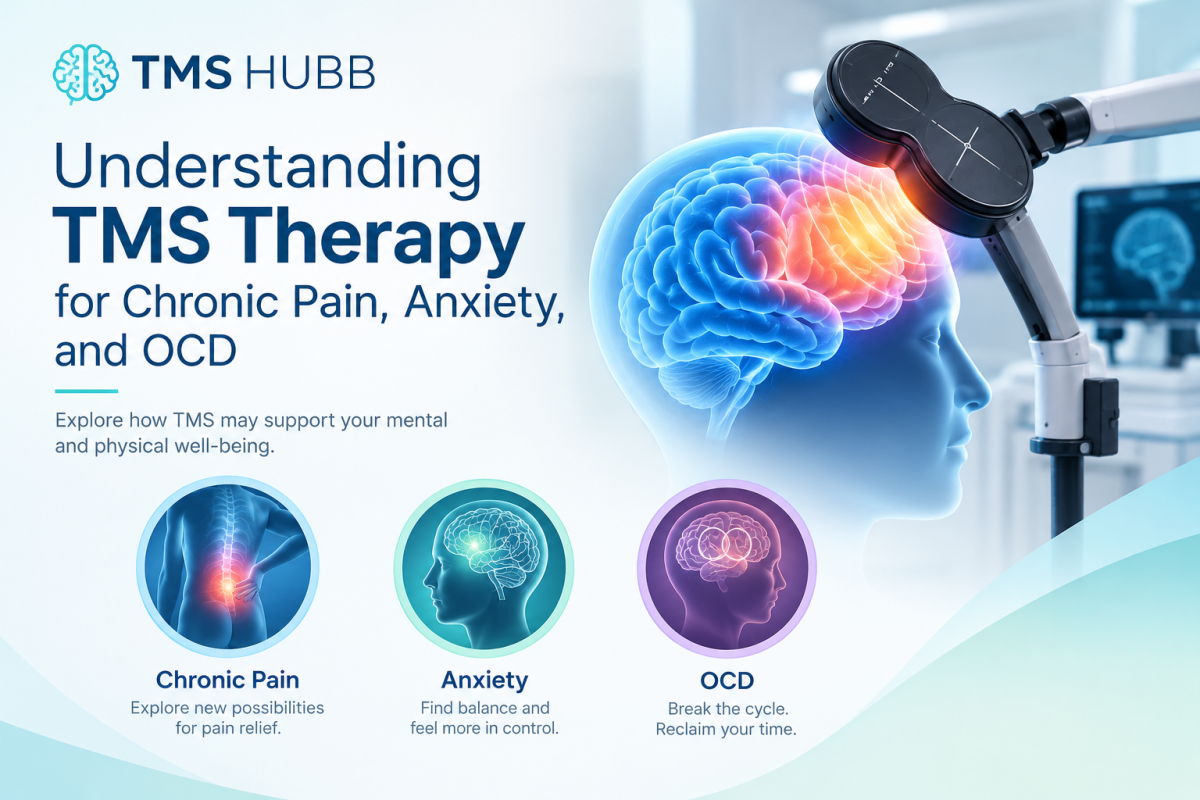
Mental health and chronic pain conditions can significantly affect a person's daily life, emotional well-being, and overall quality of life. While traditional treatments such as medication and psychotherapy help many people, others may continue to experience symptoms despite treatment. This has increased interest in alternative and complementary approaches, including Transcranial Magnetic Stimulation (TMS).
At TMS Hubb, understanding available treatment options is an important step towards making informed decisions about mental health care. TMS is a non-invasive technique that uses magnetic pulses to stimulate specific areas of the brain. It is an established treatment option for certain mental health conditions, particularly depression, and is also being investigated for other conditions.
What Is TMS Therapy?
Transcranial Magnetic Stimulation (TMS) uses a specialised device to deliver magnetic pulses to targeted brain regions involved in mood regulation and other neurological functions. Unlike treatments that require surgery, TMS is non-invasive and does not require general anaesthesia.
A trained healthcare professional determines whether TMS may be appropriate based on a person's symptoms, medical history, previous treatments, and individual needs.
Although TMS is widely recognised for treating certain forms of depression, researchers continue to study its potential applications for other conditions, including anxiety disorders, obsessive-compulsive disorder (OCD), and chronic pain.
TMS Therapy for Chronic Pain: What Does the Research Say?
Living with persistent pain can affect sleep, mobility, concentration, and emotional health. Chronic pain may also occur alongside depression or anxiety, making comprehensive care especially important.
TMS therapy for chronic pain is an area of ongoing research. Scientists are investigating whether stimulating specific brain regions can influence how the nervous system processes pain signals.
Some research suggests that repetitive TMS (rTMS) may help reduce certain types of chronic pain in selected patients. However, results vary depending on the condition, stimulation protocol, and individual circumstances. TMS is not a universal solution for chronic pain, and its use for pain management may not be established or routinely recommended for every diagnosis.
People experiencing persistent pain should consult a qualified healthcare professional to discuss evidence-based treatment options and determine whether TMS is appropriate for their circumstances.
Potential Benefits and Considerations
Research into TMS for chronic pain has explored several possible benefits:
-
Modulating brain activity involved in pain processing.
-
Potentially reducing pain intensity in some patients.
-
Supporting a broader treatment plan when pain affects emotional well-being.
-
Offering a non-invasive approach that can be evaluated alongside other treatments.
The evidence is still developing, so patients should discuss realistic expectations, potential side effects, and alternative treatments with their healthcare provider.
TMS for Anxiety: An Emerging Treatment Approach
Anxiety disorders can involve persistent worry, fear, restlessness, and difficulty concentrating. These symptoms may interfere with work, relationships, sleep, and everyday activities.
TMS for anxiety is being studied as researchers explore how targeted magnetic stimulation may influence brain circuits associated with fear, emotional regulation, and stress responses.
Although some studies have reported encouraging findings, the evidence varies by anxiety disorder and treatment protocol. TMS is not currently a universally established treatment for all anxiety conditions, and its suitability depends on the individual's clinical circumstances.
People experiencing ongoing anxiety may benefit from a professional assessment to discuss established treatment options, such as cognitive behavioural therapy (CBT), appropriate medication, or other recommended interventions. TMS may be considered in selected circumstances where a qualified clinician determines it is suitable.
Who Might Consider TMS for Anxiety?
A healthcare professional may consider several factors when assessing a person's treatment options, including:
-
The type and severity of anxiety symptoms.
-
Previous responses to psychological therapies or medication.
-
Other mental health conditions that may be present.
-
Medical history and potential treatment risks.
-
The current evidence supporting TMS for the specific diagnosis.
A personalised assessment helps ensure that treatment decisions are based on clinical evidence rather than general claims about emerging therapies.
TMS Therapy for OCD: Targeting Brain Circuitry
Obsessive-compulsive disorder (OCD) is a mental health condition characterised by unwanted, intrusive thoughts and repetitive behaviours or mental rituals. These symptoms can consume considerable time and cause distress.
TMS therapy for OCD is an established treatment option in certain settings and jurisdictions. Specific TMS protocols have received regulatory clearance for OCD in the United States, although availability, eligibility criteria, and recommendations vary by location.
TMS treatment for OCD targets brain circuits associated with obsessive thoughts and compulsive behaviours. Depending on the protocol, treatment may involve specialised stimulation approaches designed for OCD symptoms.
What Can Patients Expect?
Before beginning TMS therapy for OCD, a qualified clinician will review the patient's symptoms, medical history, previous treatments, and suitability for the procedure.
A treatment course typically involves multiple sessions over several weeks, although the exact schedule depends on the protocol and clinical circumstances.
Possible side effects can include scalp discomfort or headache. Serious complications, such as seizures, are rare but possible. Patients should discuss the benefits, limitations, risks, and alternatives with their treating clinician.
TMS may be considered as part of a comprehensive OCD treatment plan. Evidence-based psychological treatment, particularly exposure and response prevention (ERP), remains an important treatment option.
Comparing TMS Applications
TMS is used differently depending on the condition being treated. Understanding these distinctions helps patients ask informed questions during a clinical consultation.
| Condition | Current Evidence and Clinical Role |
|---|---|
| Chronic pain | An active research area; some protocols may help selected pain conditions, but availability and evidence vary. |
| Anxiety disorders | Under investigation for various anxiety conditions; it is not a universally established treatment for all anxiety disorders. |
| OCD | Specific TMS protocols are established options in certain settings, subject to local approvals and clinical eligibility. |
| Depression | An established treatment option for selected patients, particularly when standard treatments have not provided sufficient relief. |
The effectiveness of TMS depends on the diagnosis, treatment protocol, individual characteristics, and clinical assessment. Outcomes cannot be guaranteed.
Why a Personalised Treatment Assessment Matters
No two patients have exactly the same medical history or treatment needs. A personalised assessment helps healthcare professionals determine which approaches are appropriate and whether TMS may be considered.
Before starting treatment, patients should discuss:
-
Their symptoms and how these affect everyday life.
-
Previous treatments and their outcomes.
-
Possible side effects and contraindications.
-
Expected treatment duration and follow-up requirements.
-
Alternative and complementary evidence-based therapies.
Patients should also disclose relevant medical conditions, implanted devices, and any history of seizures so their clinician can assess treatment safety.
Exploring TMS Treatment Options with TMS Hubb
Understanding the science behind TMS can help individuals make more informed decisions about their care. From established applications in depression to ongoing research into chronic pain and anxiety, the field continues to develop.
TMS therapy for chronic pain, TMS for anxiety, and TMS therapy for OCD have different levels of supporting evidence and clinical acceptance. Therefore, the most appropriate approach depends on the specific diagnosis and an individual's medical circumstances.
If you are exploring TMS treatment options, speak with a qualified healthcare professional to understand the potential benefits, limitations, and alternatives relevant to your needs.

TMS Hubb is an Australia-based clinic offering the best free medical treatments using transcranial magnetic stimulation and other therapies. Our prime aim is to offer professional service and attention to our patients and assist them in getting rid of their ongoing disorders. Our best team can always assist you with our evidence-based therapy to treat depression patients effectively. So what are you waiting for? Reach us today!












Comments (0)