

A Seven-Day Screen Time Reset for Families Who Feel Stuck
This guide tackles the challenge of interrupting an exhausting routine long enough to see what the family actually wants to change.


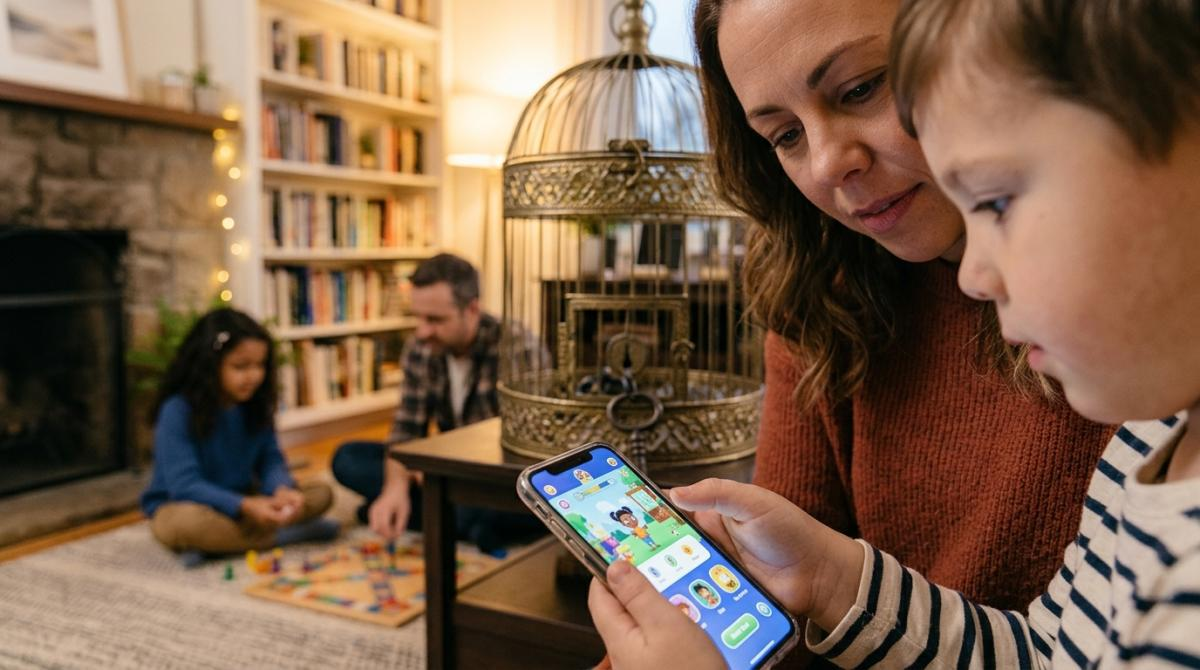
Parents often consider a new control after a frustrating evening. Something ran too long, a setting failed, or an unfamiliar item appeared. Urgency is understandable, but a rushed response can solve the wrong problem. Start by separating what the device recorded from what the family actually knows.
People searching for seven day family screen time reset
Define success before comparing controls
On a the family's phones, tablets, and computers, success should be specific enough to notice. 'No game interruptions during the homework block' is clearer than 'better behavior.' 'The school portal remains available after bedtime restrictions begin' is safer than 'the device locks at nine.' A precise result tells the family what to test and when to remove a rule that creates more trouble than it solves.
Create an exception list for urgent contact, coursework, transportation, medical needs, account access, and accessibility. These are not afterthoughts. A plan is only practical when it survives ordinary school, safety, and accessibility needs.
Put the evidence in proportion
Pew Research Center, How Teens and Parents Approach Screen Time states: Half of parents said they had looked through their teen's phone. The finding is relevant background, but the device, account, and child's circumstances still need to be checked.
U.S. Surgeon General, Social Media and Youth Mental Health Advisory states: It recommends family media plans, technology-free zones, modeling responsible behavior, and teaching children about privacy and online risks. Use that finding as context; it does not diagnose one child or prescribe the same answer for every household.
Read the claim in its proper category - survey finding, safety guidance, or product instruction. The household still has to judge what is proportionate for this young person. The answer shifts with maturity, access needs, school demands, family life, and whether the activity is constructive or harmful. Good evidence should improve judgment, not intensify fear.
Build the plan in small decisions
First, take a nonjudgmental baseline. Document the technical context without collecting unrelated private content.
Next, protect sleep first. Change one variable, observe it, and restore it before expanding the setup.
Then, remove one friction point. A correction process makes technical mistakes safer to report.
After that, create phone-free anchors. Remove or narrow a control that creates more disruption than improvement.
Before enforcement, replace rather than merely remove. Write down the expected response so later discussion is based on a record, not competing memories.
During the trial, practice asking for exceptions. A test under the adult login cannot establish what occurs in the supervised profile.
At the family check-in, compare school day and weekend results. List essential uses first so a broad restriction does not disable a necessary tool.
Finally, keep only the changes that helped. State the scope, duration, and appeal route in language the child can repeat back.
Test the promise on the real device
Use a reversible check: track bedtime, conflict, homework, mood, and the moments devices are genuinely useful for one week. Log the user account, hardware, software build, relevant browser, and test time. Prove that the intended block works without breaking an allowed use. The real test includes the teacher portal, account sign-in, practical travel tool, and trusted contact the child still needs.
Do not answer a failed test by expanding the software's access. Recheck connectivity, the latest sync, and the signed-in profile before taking the result to support. A failed control is not evidence of deliberate evasion by itself.
Compare the human cost as well as the feature
Ask how much information the tool collects, who can access the parent account, how the child is notified, and how a mistaken rule is corrected. Make both visibility and privacy explicit before the control is used. Clarity makes it safer for a child to disclose frightening content or a broken control early.
A one-week experiment cannot diagnose addiction, mental illness, attention disorders, or sleep conditions. That limit belongs in the buying decision. A focused control that solves the stated issue can outperform a broad dashboard full of unused data.
Make a decision you can revisit
Give the trial a review date. The setting earns its place when benefits appear without unacceptable school, safety, or relationship costs. A demonstrated false positive should trigger correction, not punishment for appealing. Retire a control that does not solve the problem it was chosen for. For a closer look at the relevant capability, use the practical setup resource and verify current compatibility before purchase.
The goal is not a silent dashboard. What matters is a plan that remains understandable, testable, and open to revision. Technology belongs behind the parenting decision, not in place of it.
A wider evidence point
NCMEC recorded 1.4 million CyberTipline reports concerning online enticement in 2025, including more than 80,000 reports concerning sextortion. NCMEC cautions that reports are not a count of unique children or confirmed incidents.
A note for different ages
Younger users often benefit from fewer choices and closer guidance. Older teens need a route toward autonomy, including the chance to correct an error. Treat seven-day screen-time reset as a living agreement that changes with school, maturity, and the devices in use.
When to review the plan again
The household should know who owns follow-up. One adult can record the configuration, support answer, and review date so a second caregiver does not unknowingly create conflicting rules. Consistency makes seven-day screen-time reset easier for the child to understand and easier for adults to troubleshoot.
A final check should return to the original question: did this approach make interrupting an exhausting routine long enough to see what the family actually wants to change easier to manage without disrupting essential access or honest conversation? If the answer is unclear, extend the observation period rather than expanding the control.










Comments (0)