

How Long Does Abdominal Tightness Last After Tummy Tuck Surgery?
how long abdominal tightness lasts after tummy tuck surgery, what affects recovery, ways to manage discomfort, and when to seek medical advice.

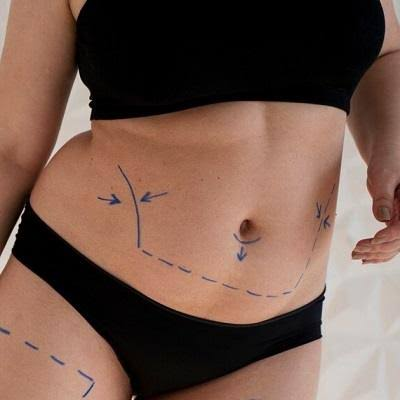
Abdominal tightness is a common experience after tummy tuck surgery, also known as abdominoplasty. Many patients notice a feeling of pulling, stretching, pressure, or firmness around the abdomen during the early stages of recovery. These sensations can occur as the body heals, swelling gradually decreases, and abdominal tissues adjust after surgery.
The duration of tightness varies depending on the surgical technique, the extent of muscle repair, individual healing, and postoperative care. Understanding what to expect can help patients prepare for recovery and recognize when they may need medical advice.
Why Does Abdominal Tightness Occur After a Tummy Tuck?
A Tummy Tuck in Dubai removes excess abdominal skin and may involve tightening separated abdominal muscles. These changes can create tension in the treated area, particularly when standing upright, walking, coughing, or changing positions.
Swelling also contributes to the sensation of tightness. Following surgery, the body initiates an inflammatory healing response, which can cause temporary fluid accumulation and tenderness. If abdominal muscles are repaired, patients may experience additional pulling or stiffness as the tissues recover.
The sensation is not identical for everyone. Some people describe mild firmness, while others experience more noticeable tightness during the first few weeks.
How Long Does Abdominal Tightness Usually Last?
Abdominal tightness generally improves gradually over several weeks, although some residual stiffness or restricted movement may continue for a few months. The exact timeline depends on the individual's procedure and recovery progress.
First Week After Surgery
During the first week, tightness and swelling are often most noticeable. Patients may find it difficult to stand completely upright because stretching the healing abdominal tissues can feel uncomfortable.
Walking with a slightly bent posture may be recommended initially, depending on the surgeon's instructions. Gentle, short walks are generally encouraged to support circulation, but strenuous activities should be avoided.
Pain medication, prescribed compression garments, and appropriate rest may help manage discomfort when used according to medical guidance.
Weeks Two to Four
During the second through fourth weeks, swelling and tightness often begin to decrease. Everyday movements may become easier, although the abdomen can still feel firm or stretched.
Patients should gradually increase activity according to their surgeon's advice. Heavy lifting, intense exercise, and movements that strain the abdominal muscles may remain restricted.
Recovery is not always linear. Tightness can temporarily feel more noticeable after increased activity or toward the end of the day.
Weeks Four to Eight
Many patients experience improved mobility during this period. The abdomen may feel less restrictive, and standing, walking, and performing light daily activities can become more comfortable.
However, swelling may still be present, particularly around the lower abdomen. Patients who undergo extensive skin removal or abdominal muscle repair may need more time before tightness substantially improves.
Returning to exercise should depend on individual healing and medical clearance rather than a fixed timetable.
Two to Six Months
Over the following months, residual swelling, firmness, and pulling sensations may continue to settle. The abdomen gradually becomes more comfortable as tissues heal and adapt.
Some patients notice occasional tightness when stretching or resuming more demanding activities. Subtle changes in sensation can also persist as nerves recover.
Persistent, worsening, or unusual symptoms should be discussed with the treating surgeon instead of being assumed to be part of normal healing.
What Factors Affect the Duration of Tightness?
Several factors influence how long abdominal tightness lasts after tummy tuck surgery.
-
Extent of surgery: A full or extended tummy tuck may involve more tissue removal than a mini tummy tuck, potentially requiring a longer recovery.
-
Muscle repair: Tightening separated abdominal muscles can increase the feeling of tension during early healing.
-
Swelling: The amount and duration of postoperative swelling affect abdominal firmness.
-
Individual healing: Age, general health, smoking, nutritional status, and other personal factors can influence recovery.
-
Activity levels: Returning to strenuous exercise or lifting too early may increase discomfort and interfere with healing.
-
Postoperative care: Following wound-care instructions, attending follow-up appointments, and using compression garments when advised can support recovery.
Patients should avoid comparing their progress too closely with other people's experiences because surgical procedures and healing responses differ.
How Can You Manage Abdominal Tightness During Recovery?
Following your surgeon's instructions is the most important step in managing postoperative tightness. Several practical measures may help improve comfort.
Wear compression garments as directed. If recommended, an abdominal compression garment may help manage swelling and provide support. It should fit appropriately and must not cause excessive pressure, breathing difficulty, or skin problems.
Walk gently and regularly. Short walks can support circulation and reduce prolonged inactivity. Increase movement gradually within your surgeon's restrictions.
Avoid strenuous activities. Heavy lifting, intense exercise, and sudden twisting movements can place unnecessary strain on healing tissues.
Maintain balanced nutrition and hydration. Adequate fluids, protein, and a varied diet support the body's normal healing processes.
Attend follow-up appointments. Your surgeon can assess swelling, incision healing, abdominal firmness, and whether your recovery is progressing as expected.
Do not massage the abdomen, apply heat, or use additional treatments unless your surgical team confirms they are appropriate.
When Should You Contact Your Surgeon?
Although tightness is common after abdominoplasty, certain symptoms require prompt medical assessment. Contact your surgical team if you experience increasing pain, worsening swelling, spreading redness, wound discharge, fever, or a sudden change in abdominal appearance.
Seek emergency medical attention for chest pain, sudden shortness of breath, fainting, or significant breathing difficulty, as these may indicate a serious complication.
A sudden, pronounced increase in abdominal swelling or severe pain also warrants urgent evaluation.
Tummy Tuck Recovery Planning at Tajmeels Clinic
At tajmeels clinic dubai, patients considering tummy tuck surgery in Dubai can discuss their abdominal concerns, treatment suitability, expected recovery, and postoperative care during a consultation. An individualized assessment helps determine whether the procedure may be appropriate and whether abdominal muscle repair could be required.
Patients should ask about expected tightness, activity restrictions, follow-up visits, scar care, and symptoms that require medical attention. Clear communication with the treating surgical team helps patients develop realistic expectations and understand that recovery varies from person to person.
Conclusion
Abdominal tightness after tummy tuck surgery usually improves over several weeks, while residual firmness and pulling sensations can last for a few months. The duration depends on the surgical approach, muscle repair, swelling, and individual healing. Following medical instructions, gradually resuming activities, and attending follow-up appointments can support recovery. Any worsening or unusual symptoms should be assessed by a qualified medical professional.
More Information
Tajmeels Clinic Dubai
WhatsApp: +971 56 203 8751
Phone: tel:+971 43739000
Social Media:

Tajmeels clinic is different from other cosmetic resorts because our doctors are specialized in their fields from the best organizations in the world












Comments (0)