

What Role Does Medical History Play in Liposuction Planning at Tajmeels Clinic?
how medical history influences liposuction planning at Tajmeels Clinic, from health conditions and medications to surgical safety and recovery.

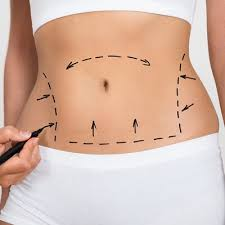
Liposuction is a cosmetic surgical procedure designed to remove localized fat deposits and improve body contours. However, achieving suitable results involves more than identifying areas where fat removal is desired. A patient's medical history plays an important role in determining whether liposuction is appropriate, what precautions may be necessary, and how the procedure should be planned.
For individuals considering best liposuction in Dubai, a thorough medical assessment helps healthcare professionals understand existing health conditions, previous surgeries, medications, and factors that could influence recovery. Reviewing this information before surgery supports informed decision-making and helps establish realistic expectations.
Why Is Medical History Important Before Liposuction?
Medical history provides valuable information about a patient's overall health and ability to undergo surgery safely. During the initial assessment, healthcare professionals review previous and current medical conditions that could affect anesthesia, bleeding risk, wound healing, or postoperative recovery.
Conditions such as diabetes, cardiovascular disease, high blood pressure, and certain blood-clotting disorders may require additional evaluation before liposuction can be considered. Having one of these conditions does not automatically mean a patient cannot undergo surgery. Suitability depends on the individual's health status, disease control, and the recommendations of the treating medical team.
A comprehensive assessment also helps identify circumstances in which surgery should be delayed until a health concern has been investigated or appropriately managed.
How Existing Medical Conditions Affect Liposuction Planning
Different medical conditions can influence surgical preparation and recovery. Understanding these factors allows healthcare professionals to determine whether additional precautions or specialist input may be needed.
Diabetes and Wound Healing
Diabetes can affect circulation, immune function, and the body's ability to heal after surgery, particularly when blood glucose levels are poorly controlled. Patients should disclose their diagnosis, current treatment, and any history of healing difficulties.
The medical team can then assess whether additional monitoring or adjustments to the treatment plan are necessary before proceeding.
Heart Conditions and Blood Pressure
Cardiovascular conditions may influence the risks associated with anesthesia and surgery. A history of heart disease, irregular heartbeat, or uncontrolled blood pressure should be discussed during the consultation.
Depending on the circumstances, further investigations or clearance from another healthcare professional may be appropriate.
Bleeding and Blood-Clotting Disorders
A history of unusual bleeding, blood clots, or clotting disorders is particularly important when planning liposuction. These factors can affect both surgical safety and recovery.
Patients should disclose any previous complications and medications that influence blood clotting. The medical team can evaluate the risks and determine suitable precautions.
Why Previous Surgeries and Procedures Matter
Previous operations can influence the way liposuction is planned. Surgical scars, changes in tissue structure, and previous cosmetic procedures may affect the treatment area and the technical considerations involved.
For example, someone who has previously undergone abdominal surgery may have scar tissue or altered anatomy that requires careful assessment before abdominal liposuction.
Patients should provide details about previous procedures, including cosmetic surgery, hospital admissions, complications, and their recovery experiences. This information helps the surgeon understand the treatment area's history and identify issues that may need further investigation.
Previous surgery does not automatically prevent liposuction, but it may affect the recommended approach.
How Medications and Supplements Influence Surgical Preparation
A complete medication review is another essential part of medical history assessment. Prescription medicines, over-the-counter products, vitamins, and herbal supplements can sometimes affect bleeding, blood pressure, anesthesia, or healing.
For example, certain anticoagulants and antiplatelet medicines can increase bleeding risk, while some medicines used to manage chronic conditions may require specific perioperative planning.
Patients should provide an accurate list of everything they take, including dosages where possible. They should never stop prescribed medication or supplements without guidance from their treating healthcare professional.
This review allows the medical team to develop an appropriate preparation plan based on the patient's individual circumstances.
Lifestyle Habits and Their Impact on Recovery
Medical history also includes lifestyle factors that can influence surgical outcomes. Smoking, nicotine use, alcohol consumption, nutritional habits, and activity levels may affect recovery and general health.
Nicotine can impair circulation and wound healing, making it important to discuss smoking or vaping honestly during the consultation. Alcohol use may also be relevant because of its potential interactions with medicines and its effects on health.
Patients should explain their usual routines and any recent changes in weight. This information helps healthcare professionals evaluate recovery considerations and discuss practical steps that may support safer healing.
How Medical History Helps Establish Realistic Expectations
Liposuction is intended to remove localized fat and improve body contours. It is not a treatment for obesity, a substitute for healthy lifestyle habits, or a guaranteed solution for loose skin.
Medical history helps the surgeon understand the patient's previous weight changes, existing health concerns, and reasons for seeking treatment. Combined with a physical examination, it supports an individualized discussion about possible outcomes and limitations.
Patients with reduced skin elasticity, significant weight fluctuations, or certain underlying conditions may need additional counselling about the results they can reasonably expect.
A careful assessment also helps identify when an alternative treatment or postponement would be more appropriate.
Medical History Assessment at Tajmeels Clinic
At tajmeels clinic dubai, patients considering liposuction in Dubai can discuss their health background, body contour concerns, previous procedures, and treatment expectations during a consultation. A comprehensive medical review, together with an appropriate physical examination, helps the healthcare team evaluate individual suitability and identify factors that may require further assessment.
Patients should share relevant diagnoses, allergies, current medications, previous surgical complications, and any history of anesthesia-related problems. The consultation is also an opportunity to ask questions about preparation, recovery, potential risks, and postoperative care.
Treatment recommendations should be based on an individual's clinical circumstances rather than appearance or personal preference alone. If a medical concern requires further investigation, surgery may need to be postponed until the issue has been evaluated.
What Should Patients Prepare Before Their Consultation?
Preparing an accurate medical history can make the consultation more productive. Patients can consider bringing:
-
A list of current prescription medicines, over-the-counter products, and supplements.
-
Details of existing medical conditions, allergies, and previous hospital admissions.
-
Information about previous surgeries and any complications during recovery.
-
Relevant medical reports or test results, if available.
-
Questions about surgical risks, expected recovery, and realistic outcomes.
Patients should provide complete and honest information, even when a health issue seems unrelated to cosmetic surgery. Small details can sometimes influence important clinical decisions.
Conclusion
Medical history is a fundamental part of liposuction planning because it helps healthcare professionals evaluate suitability, recognize potential risks, and personalize surgical preparation. By considering existing conditions, previous procedures, medications, and lifestyle habits, the medical team can make more informed recommendations.
For anyone exploring liposuction in Dubai, a thorough consultation at Tajmeels Clinic can help clarify individual considerations, realistic expectations, and the next steps toward an informed treatment decision.
More Information
Tajmeels Clinic Dubai
WhatsApp: +971 56 203 8751
Phone: tel:+971 43739000
Social Media:

Tajmeels clinic is different from other cosmetic resorts because our doctors are specialized in their fields from the best organizations in the world












Comments (0)