

Photography Training Center in Jaipur: Learn by Doing
This guide explains what to check before you choose a photography training center. It covers how to set your goal, whether you need a DSLR, how to balance theory and practice, and why wedding photography is a separate skill

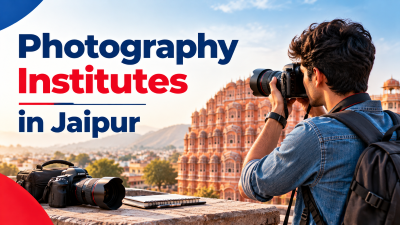
What to ask, what to shoot and what you should walk away with.
A camera doesn't make a photographer. Light, timing and a trained eye do. That's what a good class teaches, and it's hard to learn from videos alone.
So when you look for a photography training center in Jaipur, ignore the gear list at first. Ask what you'll shoot every week, who reviews your photos and what you'll have in your portfolio by the end.
If you're just starting with a phone, try Mobile Photography Classes in Jaipur first. They're a low-pressure way to learn the same basics of light and framing, and you'll see quickly whether you enjoy it.
Start with your goal
Hobby photographers want better pictures of family, travel and daily life. Others want to earn, by shooting products, events or weddings.
The goals need different training, so tell the trainer yours before you join. A good one will say honestly whether the course fits.
Questions to settle before you spend
Do I need a DSLR to start?
No. A phone teaches light and framing very well. If you move to a camera later, a basic one is enough. Skills matter more than gear. Ask if the institute lends cameras for practice.
Is theory or practice more important?
Practice, by a long way. A good class sends you out to shoot every week and then reviews your photos. If it's mostly lectures on settings, you'll forget them fast.
Do I need to learn editing too?
Yes. Editing is a big part of the final picture. Look for basic editing training in the same course, using software you can also use at home.
What should I have by the second month?
- A camera or a good phone you're comfortable with.
- One basic lens, or the kit lens that came with the camera.
- A stable surface or a tripod for low-light practice.
- Editing software, with a free option to start.
What a good course teaches
Start with the basics: how light behaves, how exposure works and how to frame a picture so the eye goes where you want. Then come portraits, street and travel shots, product pictures and editing.
Each topic should end with a shoot and a review, not just notes. Ask to see the syllabus, and ask what students shoot in the first week. If the answer is "slides," that tells you something.
Wedding and event photography is a different skill
A good Wedding Photography Course in Jaipur goes far beyond pretty portraits. Weddings are fast, crowded and often dim. You get one chance at each moment.
The course should cover working in low light, posing groups, catching candid moments, backup gear and working with a team. Ask if students shadow a working photographer at a real event, because that's the best way to learn how to work under pressure. Also ask about client talks and written agreements. They're part of the job, and many beginners learn them the hard way.
Portfolio and feedback
Ask who reviews your photos, and how often. A good trainer picks your best ten, explains why the others don't work and sends you out to try again.
By the end you should have a small portfolio, online or printed. Clients look at your photos first, not your certificate.
Where to look in the city
Most learners pick a place they can reach easily. Students in the south-west often check a Photography Institute in Mansarovar Jaipur, and people in the west look at a Photography Institute in Vaishali Nagar Jaipur. A Photography Institute in Malviya Nagar Jaipur is easy to reach for those in the southern part of the city, while a Photography Institute in Jagatpura Jaipur suits people in the south-east.
But don't choose only by distance. Photography needs outdoor shoots and early or late hours, so ask how outings are planned and how you'll get to them.
Fees and batch timings
Get the fee in writing and ask what it includes: classes, outdoor shoots, editing software training, equipment use and any certificate charge. Ask if you can pay in parts.
Also check the timings. Weekend and evening batches suit working people. Ask how a missed shoot or class is covered, because you can't learn photography from the notes alone.
Warning signs
Be careful if a place promises a sure income, hides its syllabus or won't let you sit in a demo class. Be careful too with sample photos that look too perfect and have no trainer or student name. Ask who took them. A good institute is proud to show real student work.
If you'd rather not visit many places just to make a list, Service Bazzar can help you start. It's a business listing platform where you can find, compare and contact local service providers, including photography institutes, in one place.
Questions learners ask
How long is a typical photography course?
Basic courses can run a few weeks, and full courses often take around six months. Ask for a week-by-week plan.
Do I need to know editing before joining?
No. Good courses teach basic editing from the start, alongside shooting.
Can I earn right after the course?
It depends on your practice and your contacts. No honest course can promise earnings. Build a portfolio and take small jobs first, like family events or product shots.
Is a certificate needed for photographers?
Not really. Clients look at your photos first. A certificate is only a small bonus.
Are weekend batches available?
Many institutes run them. Ask about the timing and about make-up classes for missed shoots.
Should I buy equipment before joining?
Wait. Ask the trainer what you really need. Many beginners start well with a phone or the camera they already have.
Final thoughts
Pick the place where you shoot every week, get honest feedback and leave with a portfolio. Visit two or three, sit in a class and ask to see real student work.
Then keep shooting. Photography improves with every frame you take, and no course can do that part for you.















Comments (0)