

Plot Loan vs. Home Loan vs. Construction Loan: What Plot Buyers in Haryana Should Choose
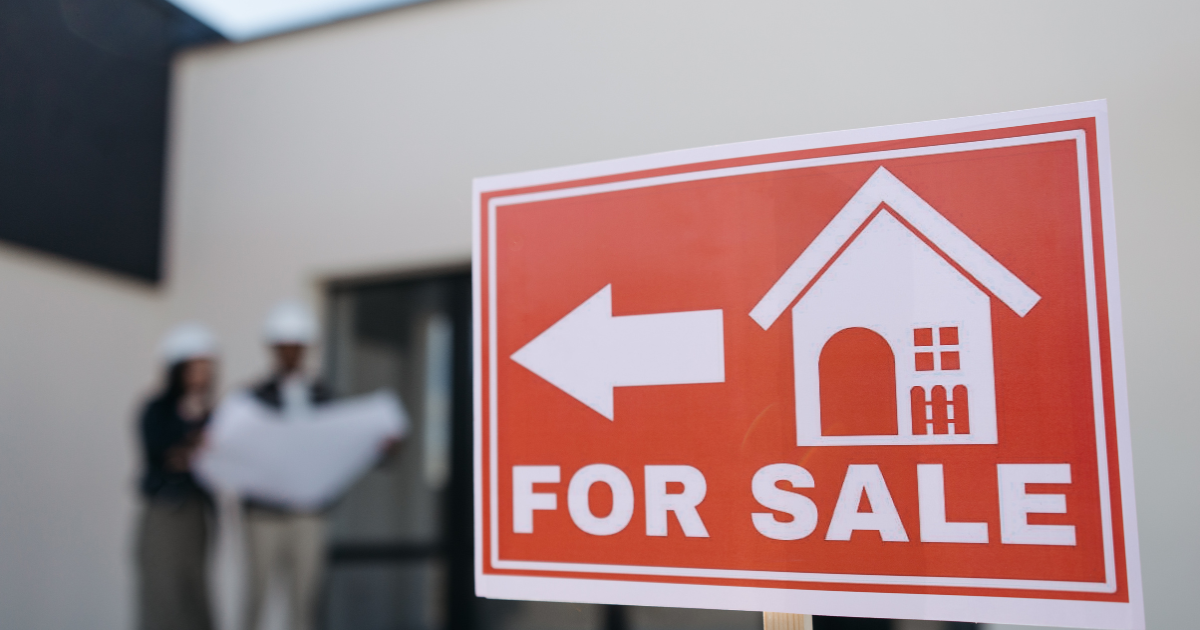
Buying a plot is often the first big step toward owning a home in Haryana, but the money question follows right behind it. Should you take a plot loan, a home loan, or wait and use a construction loan? Each one is built for a different stage of the journey, and the wrong choice can mean higher interest, a rejected application, or a monthly budget that feels too tight. This guide explains how the three loans work so you can match the right one to your plan.
Why the Type of Loan Matters
Banks do not treat land and houses the same way. A plot is open land, and lenders see it as riskier than a house that is built or being built. That is why the rules, interest rates, and loan amounts differ from one loan to another. If you are planning to buy residential plots in Sonipat, decide on your loan route before you pay the token amount, not after.
What Is a Plot Loan?
A plot loan is meant only for buying land. The bank funds a portion of the plot price, and you pay the rest from your own savings.
Who It Suits
It suits buyers who want to purchase now and build later, or those who see the plot mainly as a long-term holding. Both salaried and self-employed applicants can apply, subject to income and credit checks.
What to Watch For
Plot loans usually carry slightly higher interest than home loans, and lenders often finance a smaller share of the price. Many banks also expect you to start construction within a fixed period, so read that condition carefully before signing. Lenders will also verify that the plot lies in an approved layout with a clear title.
What Is a Home Loan?
A home loan is meant for a house, a flat, or a plot bought together with a house. If you plan to buy land and build on it under one plan, some banks offer a plot-plus-construction home loan, which releases money in parts.
Why Buyers Prefer It
Home loans generally come with lower interest rates and longer repayment periods. Tax benefits on interest and principal usually apply only after the house is built or possession is taken, so ask a tax professional how they apply to your situation.
What Is a Construction Loan?
A construction loan is for building a home on land you already own. The bank checks your plot papers, approved building plan, and cost estimate, then releases money in stages as work moves forward.
How the Money Is Released
Payments are usually linked to milestones such as foundation, slab, and finishing. A bank engineer may visit the site before each release. This keeps spending under control, but delays on site can also delay your funds.
Key Differences at a Glance
- Purpose: A plot loan buys land, a home loan buys or builds a house, and a construction loan builds on land you already own.
- Interest rate: Plot loans are usually a little higher than home loans, while construction loans are often close to home loan rates.
- Disbursement: Plot loans are paid in one go, while home and construction loans are often released in stages.
- Best timing: Plot loans suit "buy now, build later," while the other two suit "build soon."
Which Loan Should You Choose?
If You Will Build Much Later
Choose a plot loan. It lets you secure the land today without waiting years to gather the full amount. Just make sure the repayment fits your budget while the plot sits vacant and you are also saving for construction.
If You Plan to Build Within a Couple of Years
Ask banks about a combined plot-plus-construction home loan. One loan covering both stages is easier to manage and often more affordable than two separate loans.
If You Already Own the Plot
A construction loan is the natural fit. Keep your registry papers, approved plan, and cost estimate ready. For eligibility rules and the application process, our plot loan guide for Haryana explains each step in plain language.
Documents and Checks Banks Usually Ask For
Requirements vary by lender, but most banks ask for:
- Identity and address proof
- Salary slips or income tax returns, plus bank statements
- Sale agreement or registry papers for the plot
- Proof that the layout is approved and the title is clear
- An approved building plan and cost estimate, for construction loans
Keeping these ready speeds up approval and avoids back-and-forth with the bank.
Mistakes to Avoid
The most common mistake is borrowing the maximum amount a bank offers. Eligibility is not the same as affordability, so choose an EMI you can pay comfortably even if your expenses rise. Also compare processing fees, prepayment charges, and the construction deadline, not just the interest rate. Finally, never buy in an unapproved layout, because banks may refuse to lend and resale becomes difficult.
Final Thoughts
There is no single best loan, only the one that fits your stage. Use a plot loan to buy land now, a home loan when land and house are planned together, and a construction loan once the plot is yours. Compare offers from a few banks, read the fine print, and plan your budget for both the plot and the house before committing.

The Grand City is a real estate development company offering premium residential plots for sale in Sector 71, Sonipat, near Delhi NCR. Rather than selling raw land, the company develops complete gated townships first with wide roads, underground water and sewage lines, street lighting, parks, and 24x7 security before offering plots ranging from 150 to 179 sq. yards. This gives buyers a ready-to-build community rather than undeveloped land. The Grand City serves both homebuyers looking to design and construct their own homes and investors seeking long-term appreciation in Sonipat's fast-growing micro-market, backed by clear titles and transparent documentation.












Comments (0)