

Laser-Cut Key Replacement in Houston, TX: Cutting and Programming High-Security Keys
Get clear answers about laser-cut key replacement in houston, tx, including high-security key cutting, transponder programming, compatibility checks, costs, and questions to ask before booking local help
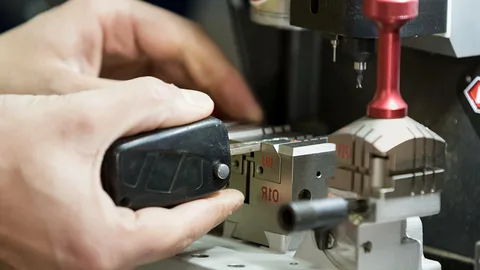
A key that turns in the lock but will not start a vehicle can leave someone stuck outside a home, office, or parking area. The problem may involve the blade, the transponder chip, the key fob, or the vehicle immobilizer. For readers comparing local options, A&M Mobile Locksmith can be one resource to consider when a standard hardware-store copy will not solve the problem. The right laser-cut key replacement in houston, tx requires accurate cutting, compatible parts, and programming when the vehicle or access system calls for it.
Key Takeaways
-
A laser-cut key is usually a milled, high-security key with a special groove pattern.
-
Cutting the blade and programming the transponder are separate steps.
-
The vehicle make, model, year, and existing keys affect the replacement plan.
-
Readers should confirm compatibility, ownership requirements, and the full service scope before booking.
When a Basic Copy Is Not Enough
The term laser-cut key often describes a key made with a sidewinder or milling machine. It does not always mean that a laser was used to cut the metal. The blade may have a deep center groove, special tracks, or cuts on both sides. These features make the key harder to copy with a basic duplicator.
A regular flat key may fit an older door or ignition, but a high-security key needs the correct blank and cutting pattern. Even a small error can make the key stick, fail to turn, or work only when held at a certain angle. A worn original key can also create a poor copy because the duplicate repeats the wear instead of the original factory shape.
Several signs suggest that a standard copy may not be suitable:
-
The blade has a center groove or cuts along both sides.
-
The key starts the vehicle but the remote buttons no longer work.
-
A replacement key turns the ignition but does not start the engine.
-
The original key is worn, bent, cracked, or missing altogether.
A homeowner may face a similar issue with a restricted keyway or a newer lock cylinder. In that case, the key may need a controlled blank and a code-based cut. Vehicle keys add another layer because the metal blade may operate the lock while the electronic chip controls engine authorization.
Laser-Cut Key Replacement in Houston, TX: What to Expect
The process starts with identification. A technician needs to know whether the key is for a car, truck, motorcycle, home, office, gate, or commercial property. For a vehicle, the make, model, year, trim, and ignition type can affect the blank and programming method. A photo of the key may help with an initial discussion, but it may not show the complete blade pattern or chip type.
If an original key is available, it can often be inspected for wear and copied using the correct equipment. If no key exists, the key code may come from vehicle records, a code card, a lock cylinder, or another approved source. A VIN may help identify the correct vehicle information, but it does not automatically replace every cutting or programming step.
The blade is then cut and checked in the door, trunk, ignition, or lock. The electronic side is separate. A transponder chip must communicate with the vehicle immobilizer, while a remote key fob may need its buttons paired with the vehicle. A fob battery replacement alone will not program a new chip.
Houston drivers may also need to think about access and timing. A vehicle parked at an apartment complex, workplace, airport area, or gated property may require permission before service begins. If the key is for a business or fleet, the person requesting it may need to show that they are allowed to receive a duplicate. Requirements vary, so it is best to ask before arranging an appointment.
How Cutting and Programming Work
Cutting and programming should be treated as two connected but different jobs. A Houston high-security key service may handle both, but the exact steps depend on the lock or vehicle system.
-
The correct blank is matched to the make, model, year, and lock design.
-
A code, working key, or lock reading may determine the blade pattern.
-
A precision cutter forms the grooves without removing too much metal.
-
A diagnostic tool or approved procedure pairs the transponder chip with the immobilizer.
Some vehicles allow onboard programming when the owner has working keys and follows a set procedure. Others require a diagnostic connection. Certain systems may limit how many keys can be stored or may remove previously recognized keys during a reset. That is why readers should bring all available keys when possible and ask what the programming process will change.
The term OEM refers to a part made for the original vehicle maker. An aftermarket key may work well, but compatibility can vary by vehicle and by supplier. The outside shape, chip type, frequency, and remote functions all matter. Matching the appearance alone is not enough.
Questions to Ask Before Booking
A short call can help prevent the wrong key blank from being selected or an appointment from being scheduled without the necessary details. Anyone seeking laser-cut key replacement should explain the vehicle's make, model, and year, along with the type of key they need. Confirming these details in advance helps the technician prepare the correct equipment and determine whether on-site key cutting and programming are required.
-
Does the quoted service include cutting, programming, and testing?
-
Is the replacement compatible with the exact make, model, year, and trim?
-
Should all existing keys be present during the programming process?
-
What proof of ownership or authorization may be required?
They should also ask whether the replacement includes a remote, key fob, transponder chip, or only a metal blade. If a vehicle has push-button start, a proximity fob may be required instead of a traditional ignition key. If the key is for a building, they should ask whether the lock uses a restricted keyway or a building-specific system.
The full price can depend on the blank, cutting method, programming equipment, travel distance, time of day, and whether the job involves an all-keys-lost situation. A low starting price may cover only the blade. Clear questions help readers compare the whole service rather than one small part of it.
Choosing the Right Replacement Approach
The best option depends first on what still works. If the metal blade is damaged but the transponder and remote are working, a compatible shell or blade replacement may be enough. If the key is lost but another working key remains, duplication may be simpler than an all-keys-lost reset. If every key is gone, the technician may need to verify ownership, identify the system, cut a new blade, and complete a full programming procedure.
A buyer should avoid ordering solely from a picture on a marketplace listing. Two keys can look alike while using different chips or frequencies. The vehicle identification number, existing key markings, and exact button layout are more useful for checking compatibility. They should also confirm whether the key arrives uncut, already cut, or ready for programming.
For residential or commercial doors, the decision may involve rekeying rather than making a duplicate. Rekeying changes the lock cylinder so an old key no longer works. A duplicate keeps the same access pattern. A property owner who has lost a key may need to consider security, while someone who simply needs another authorized copy may not need a lock change.
Common Mistakes That Cause Delays
Waiting until every key is lost can make the job more involved. Keeping one working spare in a secure place gives a technician a useful reference and may reduce the need for code research. The spare should not be left inside the same vehicle or property it is meant to protect.
Another mistake is testing only the remote buttons. A key fob may lock and unlock the doors but still fail to start the vehicle if the transponder is not recognized. After programming, the blade, remote functions, and engine start should each be checked. If one function fails, the issue may be compatibility rather than a simple dead battery.
Readers should also avoid forcing a newly cut key into an ignition or lock. A tight fit can damage the cylinder or hide a cutting error. If the key does not turn smoothly, they should stop and have the cut and lock checked instead of applying more pressure.
Frequently Asked Questions
Are Laser-Cut Keys the Same as High-Security Keys?
The terms are often used together, but they are not exact technical matches in every case. Laser-cut usually describes the blade style or milling process, while high-security can also refer to restricted blanks, complex grooves, and controlled duplication. The lock or vehicle system determines the real requirements.
Can a Replacement Key Be Made Without the Original?
Often, yes, but the process may require a key code, lock reading, vehicle information, or another approved method. The technician may also need proof that the requester owns or is authorized to use the vehicle or property. An all-keys-lost job can involve more steps than copying a working key.
Does Every New Key Need Electronic Programming?
No. A basic mechanical door key may only need accurate cutting. Many modern vehicle keys include a transponder or remote that must be paired with the vehicle. The key type, model year, and security system determine whether programming is needed.
Why Does the Key Turn but Not Start the Vehicle?
The blade may be cut correctly while the transponder chip is missing, incompatible, or not registered. The immobilizer then blocks the engine from starting. A weak fob battery can affect remote buttons, but it is not always the reason for a no-start condition.
Should All Existing Keys Be Present?
They should bring every available key when possible. Some vehicles allow a new key to be added without changing the others, while some programming procedures can affect stored key records. Asking this question before service helps prevent an unwanted surprise.
How Can Someone Check Whether a Key Is Compatible?
They should provide the exact make, model, year, trim, key type, button layout, and any identification printed on the original. The vehicle or lock should be checked against those details rather than matched by appearance alone. A professional can then confirm the blank, chip, frequency, and programming needs.
Final Thoughts
High-security key replacement is not just a matter of copying metal. The blade must match the lock, and an electronic key must also communicate correctly with the vehicle or access system. By checking the exact application, asking what the service includes, and testing every function before leaving, readers can make a clearer decision and avoid buying a key that only looks right.
Plan the Next Step
Before ordering a replacement, gather the vehicle or lock details, check whether an existing key still starts the vehicle, and ask what cutting and programming steps are included. A clear conversation can prevent a mismatched blade, an unprogrammed transponder, or an unexpected return visit. Readers can compare local options, confirm availability for their make and model, and choose a process that fits their schedule. Taking those steps first makes high-security key replacement more predictable and easier to plan with confidence.

Hi, I’m Freya Parker, an automotive expert focused on helping car owners make smarter decisions when selling their vehicles. I specialise in breaking down the car-selling process in a simple, practical way from understanding your car’s real value to reading market trends and spotting the right time to sell. My goal is to give you clear, honest guidance so you can confidently get the best possible price for your car without confusion or stress. Whether you’re selling for the first time or just want a better deal, I’m here to make the process straightforward, transparent, and rewarding











Comments (0)