

Office Lock Upgrades in Knoxville, TN: Where to Start on a Limited Budget
Save money on office lock upgrades in knoxville, tn with a clear plan for door checks, priority repairs, rekeying, access control, and future improvements that fit a limited budget
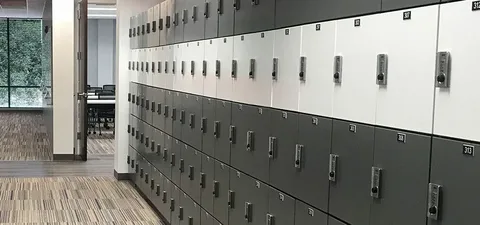
An office with one loose door, a crowded key ring, or a worn lock does not always need a full security replacement. A limited budget works best when the highest risks are fixed first and larger improvements are planned in stages. The first step is to inspect every entry, interior access point, and key handoff before choosing new hardware. For owners comparing office lock upgrades in knoxville, tn, Knoxmith Lock & Key can help them separate urgent work from later upgrades.
Key Takeaways
-
Start with doors that protect people, records, cash, or restricted rooms.
-
Repair alignment and worn hardware before assuming a full replacement is needed.
-
Rekeying can restore control after staff changes without replacing every lock body.
-
Electronic access can be useful, but only when the office can support its upkeep.
-
A written priority list helps limited funds cover the most important work first.
Find the Highest Risk First
The best starting point is not the newest-looking lock. It is the door that would cause the greatest problem if it failed or allowed the wrong person inside. An owner can begin with the main entrance, rear delivery door, records room, server closet, cash area, and any door shared with another tenant.
A quick check should look for loose cylinders, keys that stick, doors that do not close fully, missing strike plate screws, and hinges that pull out of alignment. A door closer that slams or fails to latch also deserves attention. In some Knoxville buildings, seasonal humidity can affect wood doors and make alignment worse. That may create a hardware problem that looks like a lock problem.
The office layout matters as well. A suite with one public entrance may need stronger control at that door, while a larger office may need better separation between public, staff, and restricted areas. The budget should follow the access risk, not be divided evenly across every opening.
Build a Small Upgrade Plan
After the inspection, the owner can group the work into immediate repairs, near-term improvements, and future projects. This keeps a minor issue from turning into a rushed replacement and makes it easier to compare bids.
-
Fix doors that fail to latch, close, or lock reliably.
-
Rekey openings affected by lost, copied, or unreturned keys.
-
Improve control around sensitive rooms and shared entrances.
-
Set aside larger electronic access projects for a later phase when needed.
Planning office lock upgrades in Knoxville, TN starts with a clear assessment of each door and its security requirements. A written door list should identify the opening, its current problem, who needs access, and the preferred hardware solution. It should also specify whether the door is part of a fire or exit path, as this can affect hardware compatibility and determine whether a qualified professional should review the proposed changes before installation.
Compare Repair, Rekeying, and Replacement
A full lock replacement is only one possible answer. A repair may be enough when the cylinder works but the door or strike is misaligned. A rekey changes which keys operate the existing lock while leaving much of the hardware in place. This can help after an employee leaves, a manager loses a key, or a tenant changes without requiring every lock body to be replaced.
One common question is whether rekeying is worthwhile on older hardware. It can be, if the lock is in good condition and fits the door properly. If the cylinder is badly worn, the lock has a weak design, or replacement parts are difficult to find, installing new hardware may offer better value over time.
An office comparing Knoxville office rekeying services should ask whether the existing locks can be matched, how many key changes are needed, and how new keys will be recorded. A basic key management process matters as much as the lock itself. The person issuing keys should know who has them, which doors they open, and when they must be returned.
Another common question is whether a master key system is always better. It can reduce the number of keys staff carry, but it also requires careful control because one lost higher-level key may affect many doors. A smaller office may be better served by separate keys for a few restricted rooms and one controlled key for routine access.
Choose Upgrades That Fit the Building
Hardware should match the door, frame, daily traffic, and building rules. A lock that works well on a solid commercial door may not be the right choice for a glass storefront, a thin interior door, or a fire-rated opening. The existing frame and strike area should be checked before any product is selected.
When considering commercial locksmith help in East Tennessee, an owner should ask for options that fit the current building rather than replacing useful hardware simply because a newer product is available. A staged plan might look like this:
-
Use quality mechanical locks on low-traffic interior rooms.
-
Add a restricted key system where key copying is a concern.
-
Consider electronic access for doors with frequent staff changes.
-
Reserve a full access control system for offices that need records, schedules, or remote management.
Electronic locks can reduce the need for physical keys, but they bring new duties. Someone must manage users, replace batteries if needed, handle failed credentials, and remove access promptly when a person leaves. If no one owns those tasks, a simple mechanical system may be easier to maintain.
Avoid Common Budget Traps
The lowest quote is not always the lowest total cost. A price may leave out door adjustment, new strike plates, exit hardware, key copies, or work needed to keep an existing fire-rated assembly compliant. The estimate should state what is included and identify any conditions that could change the final amount.
Another mistake is choosing one lock type for every door. Public entrances, private offices, supply closets, and server rooms have different needs. A restricted room may need stronger control, while a low-risk closet may only need a dependable latch. Matching the solution to the room prevents overspending.
A rushed installation can also create trouble. If a new lock is fitted into a misaligned frame, the same sticking problem may return. The door should close freely before the lock is adjusted, and the latch should fully enter the strike without force. Testing should include locking, unlocking, closing, and exiting from the inside.
Owners should also check lease terms before changing shared entry doors. A landlord or property manager may control common-area hardware, key systems, or exterior access. Confirming responsibility early can prevent paying for work that another party must approve or complete.
Prepare for a Clean Installation
A small amount of preparation helps the project stay within budget. Staff should know when access may be interrupted, and someone should be available to approve key changes or test restricted doors. The installer should receive a clear list of openings instead of having to discover the entire scope during the appointment.
-
Photograph unusual doors, frames, and existing hardware before requesting estimates.
-
Keep a record of key holders and remove access that is no longer needed.
-
Ask whether old keys, cylinders, or electronic credentials will be returned or disabled.
-
Test each completed door before staff rely on it during normal operations.
The owner should request written details about the lock grade, finish, keying plan, warranty terms, and future replacement parts. If the project includes panic hardware, door closers, or an exit route, the installation should respect applicable safety and building requirements. A local professional can explain what needs a code review without turning a small repair into an unnecessary full renovation.
Frequently Asked Questions
Should an Office Replace Every Lock at the Same Time?
Not usually. The right timing depends on lock condition, key control, staff changes, and the risk attached to each door. A phased project can address failed or exposed openings first while leaving sound, low-risk hardware in place.
Is Rekeying Less Expensive Than Replacing a Lock?
It often uses less hardware because the existing lock body may stay in place, but the best choice depends on the lock's condition and the labor involved. An estimate should compare rekeying with replacement rather than assuming one option fits every door.
What Should an Office Do After a Key Is Lost?
The response depends on the key's access level and whether its location is known. A key to one private office may call for a focused rekey, while a key that opens several restricted doors may require broader action and a review of the key system.
Are Electronic Locks a Good Choice for a Small Office?
They can help when staff turnover is frequent or the office needs a record of entry. They also require user management, power or battery planning, and a backup method for a failure. A smaller office should weigh those duties against the convenience.
Can an Office Use Different Lock Types in One Building?
Yes, when the systems are planned together. Mechanical locks may suit storage rooms, while controlled electronic access may fit a main staff entrance. The key issue is whether the office can manage the different keys, credentials, and maintenance needs.
What Should Be Checked Before Changing an Exit Door?
The owner should confirm whether the door is part of an emergency exit route, a fire-rated assembly, or a shared building system. Exit hardware and door operation may be subject to safety requirements, so the proposed change should be reviewed before work begins.
Final Thoughts
A limited budget does not prevent an office from improving security. It calls for better order: identify the doors that matter most, correct basic failures, regain control of keys, and delay complex systems until the building and staff can support them. Clear records and a written scope help owners make steady improvements without paying for upgrades that do not solve the real problem.
Plan the Next Step
Before approving work, an office owner can list each door, note its current problem, and rank the risk to people, records, and daily access. The next step is to request a written assessment that separates repair, rekeying, hardware replacement, and electronic options. Clear questions about parts, labor, exit hardware, key control, and future service make a limited budget easier to manage. A careful plan can address the most important weaknesses now while leaving room for later improvements when funds allow.

Hi, I’m Freya Parker, an automotive expert focused on helping car owners make smarter decisions when selling their vehicles. I specialise in breaking down the car-selling process in a simple, practical way from understanding your car’s real value to reading market trends and spotting the right time to sell. My goal is to give you clear, honest guidance so you can confidently get the best possible price for your car without confusion or stress. Whether you’re selling for the first time or just want a better deal, I’m here to make the process straightforward, transparent, and rewarding












Comments (0)