

Choosing a Locksmith for Safes in Glendale, AZ: Questions to Ask First
Get clear answers before hiring a locksmith for safes in glendale, az. Learn how to check safe-opening skills, ownership steps, damage risks, insurance, pricing, and arrival details
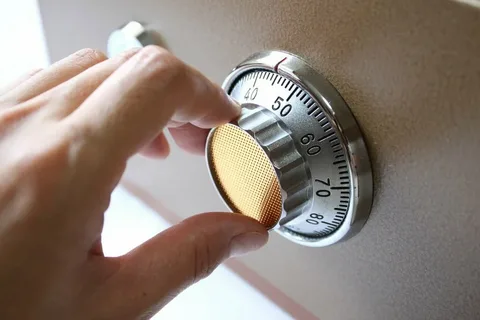
A locked safe can turn an ordinary day into a stressful problem, especially when it holds papers, cash, medicine, or family items. A rushed choice may lead to damage, extra charges, or a visit from someone who lacks the right tools. Old Glory Locksmith is a local option a Glendale resident may consider, but every provider should earn trust through clear answers. Before hiring a locksmith for safes in glendale, az, they should ask about training, ownership checks, opening methods, and possible damage.
Key Takeaways
-
Ask which safe types, brands, and lock systems the provider handles.
-
Confirm how ownership or permission will be checked before work begins.
-
Request a clear estimate that explains labor, parts, drilling, and repairs.
-
Choose a provider who discusses risks instead of promising instant results.
The best first step is a careful phone conversation, not an immediate appointment. The safe owner should describe the brand, model if known, lock type, and problem. The provider should then explain what information is needed, what methods may be tried, and when drilling or another destructive method might be necessary. Clear answers help the owner compare service without guessing.
Why Safe Work Needs Different Questions
A safe is not the same as a house door. It may have a mechanical dial, digital keypad, key lock, time lock, or more than one locking system. Some models also use a relocker, which is an internal part that blocks the lock after an attack or failed opening attempt. The right approach depends on the safe’s design and condition.
The owner should ask whether the provider has worked on that type of safe before. A person who mainly handles residential doors may not have the training or equipment needed for a floor safe, commercial safe, fire-resistant safe, or older model. Experience with one kind of lock does not automatically mean experience with every safe.
Ownership is another key concern. A careful provider may ask for identification, a purchase record, a lease document, or written permission from the owner. For a business safe, the person requesting service may need approval from the owner or manager. These checks protect both the customer and the provider.
The opening method also deserves a direct answer. Non-destructive work may include checking the power supply, testing a known code, using approved lock tools, or repairing a keypad issue. If drilling is needed, the provider should explain where the hole may be placed, how the safe will be secured afterward, and whether a new lock or repair will be required.
Choosing a Locksmith for Safes in Glendale, AZ
A reputable locksmith for safes in glendale, az should be willing to answer practical questions before sending someone out. The owner does not need a long technical lecture. They do need enough detail to understand the plan, likely risks, and expected cost.
They should ask which brands and safe types the provider handles. They can also ask whether the technician has tools for mechanical dials, electronic keypads, combination locks, and override keys. If the safe has a serial number or model label, sharing that information may help the provider prepare.
The next question should concern method. The provider should explain whether they will first try a non-destructive approach and what could make that approach fail. A careful answer may include limits because no one can promise the result without examining the safe. That honesty is more useful than a quick promise of easy access.
Cost should be discussed before the appointment. The owner should ask whether the estimate covers travel, labor, replacement parts, keypad batteries, drilling, and repair after opening. They should also ask how extra work will be approved. A written estimate or text summary can prevent confusion later.
The following questions cover the main points a caller should raise:
-
Which safe brands, models, and lock types does the provider handle?
-
What opening methods may be tried before drilling?
-
What documents or permission are needed to confirm ownership?
-
Which charges are included in the estimate, and what could cost extra?
-
Does the provider carry liability insurance for accidental damage?
Assess Skills, Tools, and Work Standards
A safe technician should understand more than the lock on the outside. They should know how the safe door, bolts, relocker, hinges, and internal lock parts work together. This matters because careless pressure or drilling in the wrong place can make the safe harder to repair.
The owner can ask what equipment may be used and how the work area will be protected. A trained provider should have a plan for securing the safe, protecting nearby floors and walls, and removing metal filings if drilling becomes necessary. They should also explain whether the opening may affect a fire rating or manufacturer warranty.
It is reasonable to ask what happens after the safe opens. A digital keypad may need a new battery or replacement part. A mechanical dial may need service or adjustment. A damaged lock may require a new combination, an access panel, or a full lock replacement. The provider should describe the next step instead of treating the opening as the end of the job.
Insurance matters because safes can be heavy, awkward, and difficult to move. A commercial safe may require more than one worker or special handling. The owner should ask who is responsible if the safe, floor, wall, or nearby property is damaged during the visit.
Compare Local Service Details
Local availability is useful, but location alone does not show that a provider is ready for safe work. When comparing safe opening services, the owner should check the service area, arrival window, after-hours terms, and ability to handle the safe at its current location. Moving a large safe before the appointment may create a new risk and could affect the estimate.
A provider who gives a narrow arrival window and explains possible delays is easier to work with than one who gives no details. The owner should also ask whether an emergency call has a different rate or minimum charge. These questions are not difficult, and asking them early reduces surprises.
The provider should be willing to explain its limits. For example, an older safe may have missing parts, a failed lock, or a damaged door frame. A small residential unit may be handled differently from a heavy business safe. A clear explanation of those limits helps the owner decide whether to proceed or seek a specialist.
Warning signs should not be ignored when comparing providers:
-
The caller promises entry without asking about the safe or ownership.
-
The provider refuses to discuss possible damage or extra charges.
-
The estimate is vague, verbal only, or changes before work starts.
-
The technician cannot explain what happens after drilling or opening.
Prepare for the Appointment
Before scheduling, the owner should gather the safe’s brand, model, serial number, lock type, and a short description of the problem. A photo of the front, keypad, dial, or label may help during the first call. They should not share a private combination or access code unless there is a clear reason and secure process for doing so.
A Glendale safe locksmith may also need a clear path to the safe. The owner should remove clutter, unlock gates, secure pets, and make sure the work area has enough light. If the safe is bolted to a floor or wall, they should mention that before the visit. A heavy safe may need extra time and equipment.
Proof of ownership should be ready if available. Useful records may include a receipt, insurance record, lease document, business authorization, or a photograph showing the safe in the owner’s possession. No single document is always required, but preparing reasonable proof can make the process smoother.
The owner should agree on the next step before work begins. They can ask the technician to repeat the estimated cost, method, and damage risks at the appointment. If the plan changes, they should request approval before extra drilling, lock replacement, or moving the safe.
A short preparation list can keep the visit focused:
-
Record the safe brand, model, lock type, and symptoms.
-
Take useful photos without sharing private codes.
-
Clear access and mention bolts, stairs, gates, or other obstacles.
-
Keep ownership records and business permission nearby.
Frequently Asked Questions
Can Any Locksmith Open a Safe?
No. Safe work requires equipment and knowledge that may not be part of ordinary house-lock service. A caller should ask about the provider’s experience with the safe’s lock type and brand before making an appointment.
Will Drilling Always Damage the Safe?
Drilling is a destructive method, but the result depends on where and how it is done. A careful technician should discuss less damaging options first and explain how the opening will be repaired if drilling becomes necessary.
What Should Someone Do If a Digital Safe Will Not Open?
They should check the owner’s instructions for battery access, emergency power, or a backup key. They should avoid repeated force or random code attempts, which may trigger a lockout feature. If simple checks fail, they should describe the symptoms to a qualified provider.
Is a 24-Hour Safe Service Always the Best Choice?
Not always. An emergency visit may be useful when important medicine, records, or business items are trapped inside, but urgent service can have different terms and costs. The caller should still ask about experience, method, and total charges.
How Can a Safe Owner Confirm Permission Before Work?
The owner can ask what records the provider accepts and prepare identification, a receipt, an insurance record, or written business approval. If the safe belongs to someone else, the actual owner or authorized manager should be available to confirm the request.
Can Opening a Safe Affect Its Fire Rating or Warranty?
It can. Drilling, replacing internal parts, or changing the door may affect how the safe performs or whether a manufacturer warranty remains valid. The owner should ask about those risks and keep records of the work and parts used.
Final Thoughts
Choosing a safe locksmith in Glendale should begin with questions, not pressure. The owner should confirm relevant experience, explain the safe’s symptoms, discuss ownership checks, and request a clear estimate. They should also understand what may happen if a non-destructive method fails. A provider who explains limits, risks, and follow-up repairs gives the owner a better basis for consent and a more orderly service visit.
Next Steps
Before calling, they should write down the safe’s brand, model, symptoms, and location, then gather proof of ownership if available. They can contact a qualified local provider and ask the key questions in this article. A clear explanation of the method, likely risks, total cost, and arrival window gives them a better basis for consent. If the answers feel rushed or vague, they can pause and compare another provider before allowing work on the safe in their home or business.

Hi, I’m Freya Parker, an automotive expert focused on helping car owners make smarter decisions when selling their vehicles. I specialise in breaking down the car-selling process in a simple, practical way from understanding your car’s real value to reading market trends and spotting the right time to sell. My goal is to give you clear, honest guidance so you can confidently get the best possible price for your car without confusion or stress. Whether you’re selling for the first time or just want a better deal, I’m here to make the process straightforward, transparent, and rewarding










Comments (0)