

Pergola Installation in Miami, FL: Aluminum, Wood, or Louvered for Hurricane Season
Create a safer outdoor retreat with pergola installation in miami, fl. Compare aluminum, wood, and louvered designs for shade, upkeep, wind exposure, and hurricane-season planning
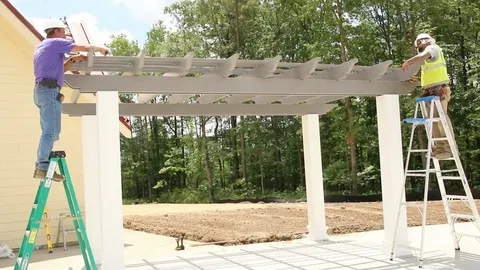
Miami homeowners often want a shaded outdoor area that can handle heat, rain, salt air, and seasonal storms. A pergola can improve a patio, pool deck, or garden, but its material and attachment method matter. That choice affects upkeep, comfort, drainage, and how the structure should be prepared before a storm. At Victory Pro Deck Builders, pergola installation in miami, fl should start with the site, the storm plan, and the intended use, not just the look.
Key Takeaways
-
Aluminum usually needs less routine care and resists moisture well.
-
Wood offers a warm, natural look but needs regular sealing and inspection.
-
Louvered roofs add flexible shade, but closing the louvers does not make a structure hurricane-proof.
-
Strong connections, properly sized footings, and local permit checks matter more than material alone.
-
Loose furniture, fabric, and accessories should be removed before severe weather.
For hurricane season, aluminum is often the easiest material to maintain, while wood may suit homeowners who value a natural appearance and accept more care. Louvered systems are useful when shade and airflow change throughout the day, but they can cost more and include moving parts. None of these choices is automatically safe in extreme wind; the full design, anchoring, hardware, and local requirements must work together.
Choosing Pergola Installation in Miami, FL for Hurricane Season
The first decision is not simply aluminum versus wood. Homeowners should consider whether the pergola will be freestanding or attached, how much shade they need, whether the site is exposed to open wind, and how often they are willing to maintain the structure. A small pergola beside a protected home has different needs from a large structure near a pool or waterfront.
For pergola installation in Miami, FL, the structure should not be treated like a temporary patio umbrella. Its posts transfer weight and wind forces into footings or an existing slab. If the base is too shallow, poorly connected, or not suited to the soil and structure, an attractive frame may still move or fail during severe weather. The design should be reviewed as a complete system rather than as a collection of separate parts.
Aluminum Pergolas
Aluminum is a common choice for busy households because it does not rot, split, or attract termites. A quality finish can help the frame handle sun and moisture, although salt air and standing water can still affect hardware and coated surfaces over time. Rinsing the frame and checking fasteners helps catch small problems early.
For a pergola and shade structure, aluminum allows a clean, modern appearance and can be made with narrow-looking posts. The frame may be lighter than a comparable wood structure, but lighter does not mean that anchoring can be overlooked. Post connections, brackets, screws, and footings still need to match the size and location of the pergola.
Wood Pergolas
Wood gives a patio a softer, more natural feel. It can be stained or painted to match a home and may be easier to alter later. However, Miami’s rain, strong sun, humidity, and insects can shorten the life of untreated wood. Pressure-treated lumber, cedar, and other outdoor-rated materials still need proper detailing and care.
Wood posts should not sit where water can collect. End cuts need protection, and joints should allow water to drain instead of trapping it. Homeowners should expect periodic washing, inspection, sealing, staining, or painting. Cracks, soft spots, loose fasteners, and changes near the post bases deserve prompt attention.
Louvered Pergolas
Louvered pergolas use adjustable slats to control sun and airflow. Some systems are operated by hand, while others use a motor. They can make an outdoor area more useful during changing weather, but the roof includes hinges, seals, controls, and drainage paths that require care.
A closed louvered roof may reduce direct rain, yet it does not automatically protect the frame from hurricane-force wind. The product must have installation instructions that match the site, and homeowners should know whether the louvers must remain open, closed, or secured when a storm approaches. Manufacturer directions should always control that decision.
Material Decision Points
The following points summarize the tradeoffs that should be discussed before a design is selected:
-
Aluminum suits homeowners who want lower routine maintenance and a clean appearance.
-
Wood suits those who prefer natural texture and can plan for regular surface care.
-
Louvered roofs suit patios where adjustable shade and rain control are important.
-
Any material still needs proper posts, hardware, footings, and storm preparation.
Match the Design to Miami Conditions
The site can change the right answer as much as the material. A pergola beside a tall wall may have less direct wind exposure than one at the edge of a yard. Trees can provide shade, but weak limbs may become a hazard during a storm. Pools and paved areas may limit where posts can be placed, while existing drainage patterns may affect the location of footings.
For Miami pergolas, corrosion protection deserves close attention because moisture and coastal air can affect metal parts. Stainless or properly coated hardware may be suitable in some conditions, but the exact choice should match the system and the manufacturer’s instructions. Mixing incompatible metals can also lead to corrosion at connection points.
The roof design affects heat and comfort as well. Open rafters provide filtered shade but allow rain through. A solid or louvered roof offers more coverage but adds weight, drainage needs, and wind exposure. The pitch, gutters, downspouts, and water discharge should be planned so runoff does not flow toward doors, foundations, or walking areas.
Site Checks That Shape the Design
Before materials are ordered, a site review should confirm several practical issues:
-
The ground, slab, or deck can support the planned posts and connections.
-
Nearby trees, walls, fences, and rooflines will not create avoidable hazards.
-
Water will drain away from the home and high-traffic areas.
-
The selected roof and frame match the site’s exposure and intended use.
A common question is whether an existing patio slab can support a new pergola. The answer cannot be assumed from the slab’s appearance. Its thickness, reinforcement, age, condition, and connection to the home may all matter. If the slab is not suitable, separate footings or another approved attachment method may be needed.
Plan the Installation and Storm Response
Installation quality is central to the outcome. A contractor or design professional should explain how posts will be attached, how fasteners will be protected, and how the structure will be checked after installation. A written scope should identify the frame, roof, hardware, finish, drainage parts, footings, and any electrical work for a motorized system.
A qualified team of pergola builders in Miami can also help separate routine weather planning from emergency preparation. Homeowners should know which parts are removable, where outdoor furniture will be stored, and whether louvers, screens, curtains, or lighting must be taken down. A storm plan is easier to follow when it is made before weather becomes dangerous.
Miami-Dade County and nearby local authorities may have permit, structural, and product approval requirements that depend on the site and project details. The homeowner should ask which approvals apply before work begins. A product approval for one condition does not necessarily cover every installation, so the design, location, and attachment method should be reviewed together.
Storm Preparation Checklist
These steps summarize the preparation discussed above:
-
Remove furniture, umbrellas, curtains, screens, and loose decorations.
-
Follow the manufacturer’s instructions for louvered roofs and motorized parts.
-
Inspect posts, brackets, bolts, drainage paths, and visible damage after major storms.
-
Keep records of product instructions, permits, and maintenance work.
The Atlantic hurricane season officially runs from June 1 through November 30, but homeowners should not wait for a named storm to inspect an outdoor structure. A quick check before the season can reveal rusted hardware, cracked wood, blocked drains, or loose connections. After a storm, they should keep clear of damaged parts and arrange an inspection before using the pergola again.
What to Check Before Installation
Appearance and price are useful starting points, but they should not be the only decision factors. Homeowners should ask how the structure will be anchored, what wind conditions the design addresses, what maintenance the finish needs, and how replacement parts will be obtained. For a louvered system, they should also ask about motor access, drainage, controls, and warranty limits.
The size of the pergola matters too. A larger roof collects more rain and may create greater wind forces. Adding a solid roof, screens, fans, lights, or hanging plants can change the load and maintenance needs. These additions should be included in the design rather than attached later without review.
Another important question is whether the pergola will be attached to the home. An attached structure may affect the wall, roof edge, flashing, and water management. A freestanding structure may offer more flexibility, but it still needs stable footings and enough space around the posts. The choice should be based on the home and site, not only on the preferred appearance.
Common Mistakes to Avoid
One common mistake is choosing a material before checking the location. A wood frame may look excellent in a sample, yet it may require more care than the homeowner expects. Another mistake is assuming that an expensive louvered roof removes the need for storm preparation. Moving parts can improve daily comfort, but they still need inspection and safe operating instructions.
Homeowners also sometimes focus on the visible frame and overlook the hidden connection points. Bolts, brackets, flashing, post bases, and drainage parts may determine how well the structure performs. Clear drawings and a written installation plan make it easier to see what is included before work starts.
Finally, a pergola should not block access to electrical panels, pool equipment, gates, drains, or emergency paths. Good planning protects both comfort and everyday use. The finished structure should feel like part of the property instead of an obstacle added to it.
Frequently Asked Questions
Is Aluminum Better Than Wood for Miami Weather?
Aluminum usually needs less surface care and does not rot or attract termites. Wood can still work well when it is outdoor-rated, detailed to shed water, and maintained on a regular schedule. The better choice depends on the desired look, exposure, budget, and willingness to handle upkeep.
Can a Louvered Pergola Protect a Patio During a Hurricane?
A louvered roof can improve shade and rain control during ordinary weather, but closing the louvers does not make the entire structure safe in hurricane conditions. Homeowners should follow the product instructions and remove loose items before severe weather.
Does a Pergola Usually Need a Permit in Miami?
Permit needs depend on the structure’s size, location, attachment method, roof type, and local rules. The local building department or a qualified project professional can explain which permits, drawings, inspections, or product approvals may apply.
Can a Pergola Be Attached to an Existing Deck?
It may be possible, but the deck must be checked for its framing, age, condition, and ability to carry the added loads. Attaching posts to deck boards alone is not a reliable structural connection. The supporting frame and footings should be reviewed first.
How Often Should a Pergola Be Inspected?
A basic inspection each season, after major storms, and whenever a problem is noticed is useful. Wood deserves checks for soft areas and peeling finish, while aluminum systems should be checked for loose hardware, coating damage, blocked drains, and corrosion at connections.
What Should Homeowners Remove Before a Storm?
They should remove or secure furniture, umbrellas, curtains, screens, planters, decorations, and other loose items. Motorized or louvered components should be handled according to the manufacturer’s instructions rather than adjusted based on guesswork.
Making the Final Choice
Aluminum, wood, and louvered pergolas can all suit a Miami home when the design matches the site and the homeowner’s maintenance habits. Aluminum often offers simple care, wood brings warmth, and louvered systems add adjustable comfort. Hurricane planning, sound anchoring, drainage, and local approval checks remain important regardless of the selected material.
Before construction begins, homeowners can request a site review and discuss the structure’s intended use, roof style, materials, attachment points, drainage, and storm plan. They should ask what permits may apply, how the footings will be sized, whether the product has required approvals, and what must be removed before a storm. A clear written scope helps compare options without focusing only on appearance or price. Early planning can produce a safer, easier-to-maintain outdoor space for seasons in Miami's changing weather.

Hi, I’m Freya Parker, an automotive expert focused on helping car owners make smarter decisions when selling their vehicles. I specialise in breaking down the car-selling process in a simple, practical way from understanding your car’s real value to reading market trends and spotting the right time to sell. My goal is to give you clear, honest guidance so you can confidently get the best possible price for your car without confusion or stress. Whether you’re selling for the first time or just want a better deal, I’m here to make the process straightforward, transparent, and rewarding












Comments (0)