

Document Imaging and Mail Scanning: A Practical Guide to Going Paperless
The Hidden Cost of Paper Clutter
A single misplaced contract can stall a deal worth thousands, yet countless offices still keep critical records in overflowing cabinets. Paper piles up quietly, and retrieval becomes a daily frustration. Digital conversion offers a practical answer, and experienced Document Imaging Companies have turned that answer into a structured, secure process for businesses of every size. This article explains how scanning works, why outsourcing makes sense, and how to choose a reliable provider. The central argument is simple: converting paper into searchable digital files protects information, saves space, and improves productivity.
What Document Imaging Involves
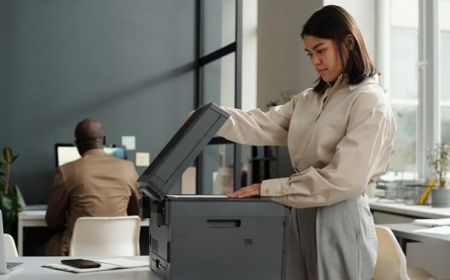
Document imaging is the process of capturing paper records as digital images and indexing them for fast retrieval. High-speed scanners, optical character recognition, and quality control software work together to produce accurate files. Many Document Imaging Companies handle preparation tasks such as removing staples, sorting pages, and repairing damaged sheets before scanning begins. The finished files can be stored in cloud platforms, secure servers, or portable drives, depending on preference. Industries including healthcare, law, education, and finance rely on this method to manage archives while meeting retention and privacy requirements.
Benefits of Digitizing Records
Digitized records bring measurable advantages. Searching a database takes seconds, while locating a folder in storage may take hours. Physical space gets freed for productive use, and backups protect information from fire, flooding, or theft. Access controls create audit trails that paper cannot provide. Businesses that hire Document Imaging Companies often report faster customer service, smoother compliance reviews, and lower printing and storage expenses. Remote teams also benefit, since authorized staff can open the same file from different cities and time zones without waiting for couriers or photocopies to arrive.
Why Mail Scanning Matters
Incoming mail creates a separate challenge, especially for remote workers, travelers, and small firms without a staffed front desk. Searching for Mail Scanning Services near Me is a common first step for people who need envelopes opened, scanned, and delivered as digital files within hours. Local providers can receive letters at a physical address, photograph the envelope exterior, and upload the contents to a secure online portal. This arrangement reduces missed notices, late payments, and lost checks, while giving recipients a searchable archive of correspondence they can review from anywhere.
How Digital Mail Handling Works
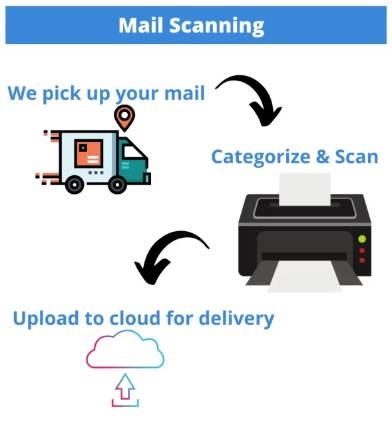
The workflow is straightforward. Mail arrives at a designated address, and staff log each piece by date and sender. Customers receive a notification and choose whether to open, scan, forward, shred, or recycle the item. When people look for Mail Scanning Services near Me, they should confirm whether the provider offers same-day processing, check deposit, and mailbox addresses tied to real street locations. Security practices matter as well, so encrypted storage, background-checked employees, and clear retention policies deserve attention. Pricing depends on monthly volume, number of pages, and added services.
Choosing a Reliable Provider
Selecting a provider requires careful comparison. Credentials such as ISO certifications, HIPAA awareness, and documented chain-of-custody procedures indicate a mature operation. References from similar industries help confirm that the vendor can handle specific formats, including oversized drawings, bound volumes, and microfilm. Sample projects reveal image clarity, indexing accuracy, and turnaround reliability before a large commitment is made. Written service agreements should spell out liability, destruction methods, and data ownership. Transparent pricing, responsive support, and scalable capacity round out the evaluation, helping organizations avoid hidden fees and unexpected delays later on.
Security and Compliance Considerations
Handling sensitive paperwork demands safeguards. Reputable facilities restrict access through badges, surveillance cameras, and visitor logs, while digital files remain protected by encryption during transfer and storage. Regulations such as HIPAA, GLBA, and privacy laws shape how personal and financial data must be handled, so providers of Mail Scanning Services near Me should document each step. After scanning, original documents may be returned, stored, or destroyed through certified shredding with a signed certificate. Regular audits and employee training reduce risk, giving organizations confidence that confidential records stay protected throughout conversion.
Conclusion
Paper records no longer need to slow down decisions or occupy valuable space. Digital conversion, combined with secure mail handling, gives organizations and individuals faster access, stronger protection, and better control over information. Businesses exploring professional scanning and mail management can review the services available through AccessScanning, which supports document conversion and digital mail needs for varied industries. Careful provider comparison, attention to security standards, and clear service agreements remain the most reliable path to success. Acting on digitization today can prevent costly delays, lost paperwork, and compliance headaches tomorrow.











Comments (0)