

How Does Insulation Paper Improve Electrical Safety?
Discover how insulation paper enhances electrical safety, transformer reliability, and power infrastructure performance across Asia-Pacific.

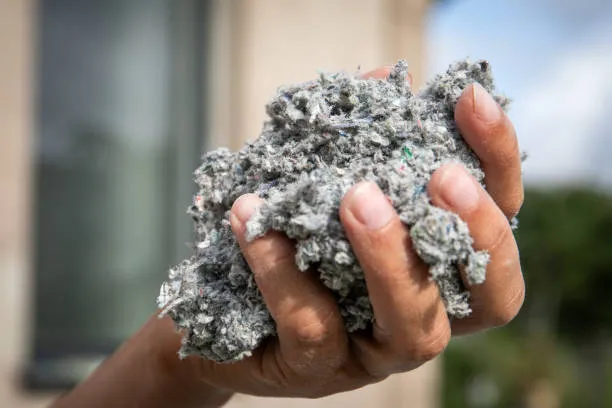
Reliable electrical systems depend on materials that can withstand high voltage, temperature fluctuations, and demanding operating conditions. As electricity consumption increases and power infrastructure expands, advanced insulation solutions are becoming increasingly important for maintaining equipment safety and performance. Insulation paper plays a vital role in protecting electrical components and supporting the long-term reliability of modern power systems.
Across Asia-Pacific, expanding electricity networks, industrial development, and renewable energy investments are creating stronger requirements for dependable electrical insulation. According to a study published by Markntel Advisor, the Asia Pacific Insulation Paper Market is projected to experience steady growth during 2026–2032. Rising investments in transmission infrastructure and energy-efficient electrical equipment are contributing to the increasing adoption of advanced electrical insulation materials across Asia-Pacific.
Why Is Electricity Demand Driving Insulation Requirements?
Rapid urbanization, industrial expansion, and the development of digital infrastructure are increasing electricity consumption across Asia-Pacific. Consequently, governments and utility companies are strengthening transmission and distribution networks to ensure consistent electricity supplies.
Insulation paper is an important component of this infrastructure because it creates a protective separation between electrical conductors. This helps prevent current leakage, reduces the possibility of electrical failures, and improves the operational safety of critical equipment.
Its ability to withstand electrical stress over extended periods makes it particularly valuable in transformers and other high-voltage applications. Manufacturers are also improving insulation paper formulations to enhance thermal resistance, mechanical strength, and overall service life.
How Is Renewable Energy Development Creating New Opportunities?
The growing installation of renewable energy facilities is increasing the need for reliable electrical components. Solar power plants, wind energy projects, and energy storage installations depend on transformers and other electrical equipment that require effective insulation for safe and continuous operation.
Renewable energy systems frequently experience changing load conditions, making dependable insulation essential for maintaining electrical efficiency and equipment stability. These requirements are encouraging manufacturers to develop advanced insulating materials that can support higher voltage applications and demanding operating environments.
The International Energy Agency (IEA) has highlighted the continued expansion of renewable electricity capacity across the Asia-Pacific region. This development is strengthening the need for modern transmission infrastructure and dependable electrical components.
What Technological Improvements Are Enhancing Insulation Performance?
Advancements in material science are helping manufacturers improve the performance characteristics of insulation paper. Modern formulations are increasingly designed to provide better dielectric strength, moisture resistance, and thermal stability, allowing electrical equipment to operate more reliably.
These improvements can help minimize maintenance requirements and extend the operational lifespan of transformers and other electrical assets. Better-performing insulation materials also support equipment safety under demanding electrical and thermal conditions.
Alongside performance improvements, manufacturers are exploring environmentally responsible production techniques and recyclable insulation solutions. Research into bio-based fibers and advanced cellulose technologies is creating opportunities to improve material efficiency while maintaining essential insulation properties.
Furthermore, the International Electrotechnical Commission (IEC) continues to establish standards supporting the safe development and application of electrical insulation materials. Compliance with relevant standards remains important for manufacturers supplying critical electrical equipment.
Why Is Industrial Expansion Supporting Greater Insulation Adoption?
Industrial development continues to contribute significantly to the requirement for electrical insulation products. Manufacturing facilities depend on transformers, generators, motors, and switchgear to maintain uninterrupted operations and reliable electricity distribution.
As industrial capacity expands across Asia-Pacific, investments in electrical infrastructure are increasing. Facilities are also adopting automation technologies, smart manufacturing systems, and digital production processes that require stable and dependable power supplies.
High-performance insulation paper helps protect essential electrical components from operating stresses, supporting equipment reliability and reducing the risk of unexpected disruptions. These benefits make it an important material for modern industrial infrastructure.
What Does the Future Hold for Insulation Paper Applications?
The continued development of electricity networks, renewable energy installations, and industrial facilities is expected to support long-term demand for advanced insulation materials across Asia-Pacific. Growing investments in transmission and distribution infrastructure will further strengthen the importance of reliable insulating solutions.
Ongoing research into improved cellulose technologies, enhanced thermal performance, and sustainable manufacturing practices is also expected to influence product development. Manufacturers are increasingly focusing on materials that combine electrical reliability, durability, and environmental responsibility.
As power infrastructure becomes more advanced, insulation paper will continue to play an essential role in protecting electrical equipment and maintaining operational efficiency. Companies investing in material innovation, sustainable production, and international quality standards will be better positioned to address the evolving requirements of modern electrical systems.












Comments (0)