

Why Choosing the Wrong Stone Size Can Cost You More?
The wrong stone size can lead to extra cutting, material waste and higher costs. Explore how to choose the right size for a smoother paving project.

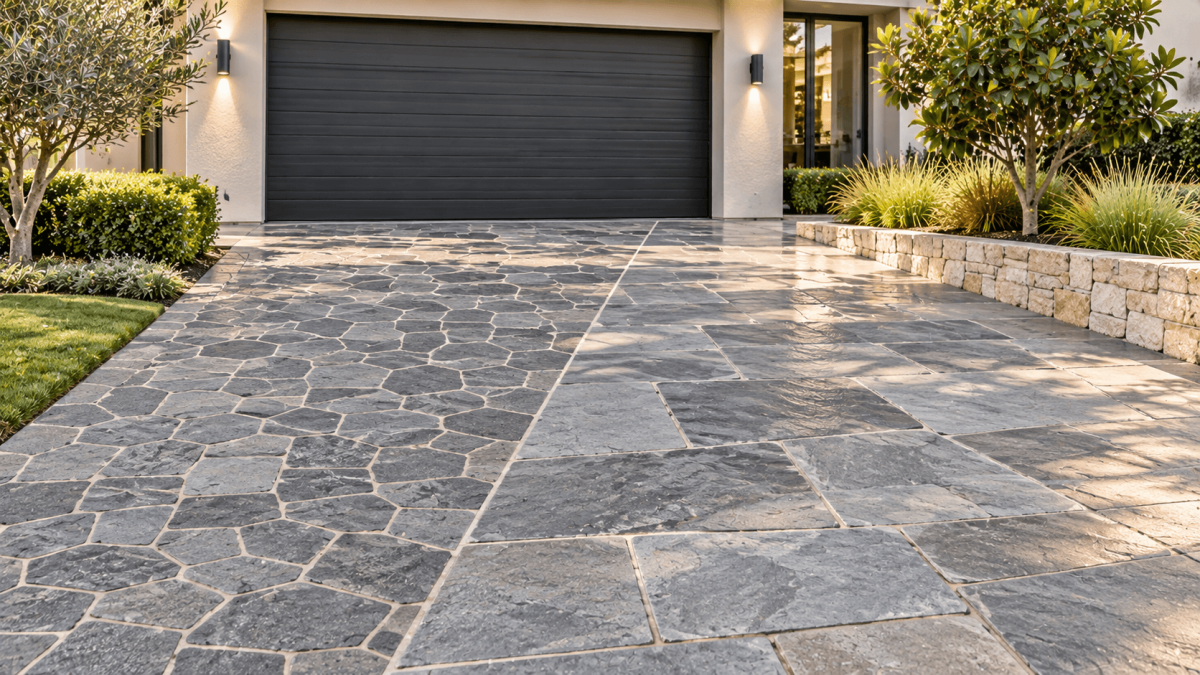
Imagine you've found the perfect stone for your outdoor space. The colour works, the finish looks great and you can already picture how the paving will turn out. But have you thought about whether the stone size will work just as well? It's a small detail, but one that can affect more than the final appearance.
This matters even more with crazy pavers. Their irregular shapes give outdoor spaces a natural, laid-back look. But getting the right size is important. Some pieces may need extra cutting, while others might not fit the layout at all. Before long, these little issues can add to your project costs.
Why Stone Size Matters More Than You Think
Size changes how a paved area looks and how it feels to walk on. Smaller pieces suit curves and detailed patterns, though they take longer to lay. Larger pieces cover ground faster but are harder to fit into tight corners.
The right choice depends on the space and how you'll use it. What works for a garden path may not suit a driveway, so it pays to think about this before you order.
Five Hidden Costs of Choosing the Wrong Size
The price of the stone is only part of the bill. The size you choose shapes the rest of the job too.
1. More cutting and more waste
Fitting stone around corners, walls and edges is rarely simple. When the sizes don't suit the layout, pieces have to be cut and the offcuts are often too small to reuse. Curved or irregular areas are the worst for this. More waste can mean a second order, so it helps to plan the layout around the sizes you can actually get.
2. Slower installation
Small stones need careful placement. Each one has to sit at the right height with even gaps, and across a large area that takes real time. Large stones have their own problem. They can be heavy enough to need extra hands or equipment and if the site is cramped, handling them slows the work and pushes up labour costs.
3. A different material quantity than you planned
It's tempting to work out quantities from the total area alone. In practice, the amount you need depends on the size and shape of each piece. A layout with lots of narrow edges needs more cuts than a plain square and some pieces end up too small to use after trimming. Running short halfway through is a hassle you can avoid.
A modest allowance for extra material is usually sensible, though how much depends on the layout, the stone pavers for driveways or other areas and the amount of cutting involved. A clear plan keeps your order close to what you really need.
4. Trickier drainage and surface levels
Outdoor paving needs a level surface laid on a properly prepared base. If the stone sizes don't suit the layout, fitting them around drains and edges gets harder and you can end up with uneven patches or gaps that need fixing later. Drainage matters most where rain is frequent. Stone size doesn't decide how well water drains, but it does affect how easily the surface can be laid and finished.
5. A result that isn't what you pictured
Good stone can still disappoint if the sizes don't suit the space. Small pieces can make a large area look busy and very large ones can feel out of place in narrow sections. Uneven joints and awkward cuts also affect the pattern. They seem minor on paper but are hard to miss once the job is finished and fixing them costs time and money.
Does Every Project Need the Same Size?
No. Each area has its own demands, so start with how it will be used.
-
Driveways: The paving has to cope with regular vehicle traffic. Thickness and base support matter as much as size.
-
Walkways: Smaller or mixed sizes work well on curves and narrow paths.
-
Patios: Larger pieces give a clean, open look, while mixed sizes add more character.
The aim is a size that works for both the design and the practical needs of the space.
How to Avoid Overspending
A few checks before you order can save a lot of trouble:
-
Measure the area and mark out corners, curves and narrow sections
-
Settle on a laying pattern before you choose stone dimensions
-
Think about the cuts you'll need around edges and drains
-
Make sure the thickness suits how the area will be used
-
Ask your supplier which sizes are available and how much extra to allow for wastage
-
Look at physical samples so you can judge the real size, colour and finish
It also helps to talk about the layout with your installer before ordering. They can tell you what will fit and roughly how much material the job needs.
A Little Planning Goes a Long Way
Choosing stone isn't only about colour and finish. Size deserves the same attention, since getting it right usually means fewer cuts, less waste and a smoother installation. Comparing options before you order can save money and bring the finished space closer to what you had in mind.
Disclaimer: The information provided in this blog is to the best of our knowledge and intended as a general guide. We recommend confirming all details based on your specific project requirements before execution.












Comments (0)