

MR Job Daily Routine: Understanding the Work of a Medical Representative?
Discover a medical representative’s daily routine, from meeting healthcare professionals and sharing product information to planning routes and managing reports.
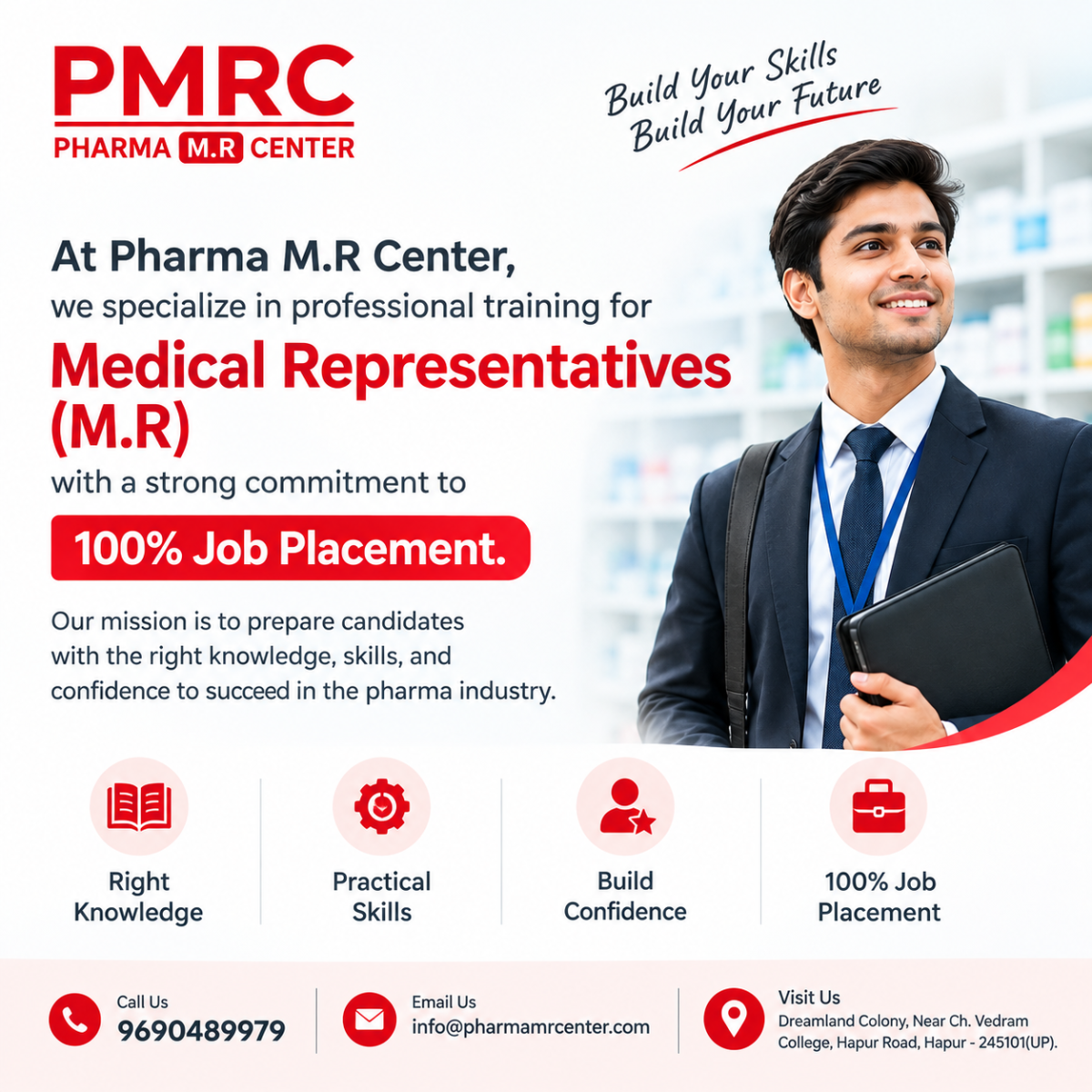
A career in pharmaceutical sales is not limited to selling products. It involves meeting healthcare professionals, sharing accurate product information, understanding market requirements and maintaining professional relationships. These responsibilities form an important part of an MR's everyday working life.
For someone planning to enter this field, understanding the daily routine is just as important as knowing the job eligibility and salary expectations. A Medical Representative Job requires communication skills, time management, product knowledge and the ability to work independently in an assigned territory.
People searching for a Medical Representative Job MR Job often want to know what happens after they receive an offer letter. Do medical representatives spend the entire day visiting doctors? How do they plan their visits? What kind of reports do they prepare? Understanding these activities can help freshers decide whether this career suits their interests.
Let's explore a typical day in the life of a medical representative and understand how a medical representative development course can help candidates prepare for these responsibilities.
1. Starting the Day with Work Planning
A medical representative's day generally begins with planning. Before visiting healthcare professionals, the representative needs to understand the day's schedule and organise the assigned activities.
Planning may include:
-
Checking the daily visit schedule.
-
Reviewing the assigned doctor list.
-
Identifying the locations to be covered.
-
Checking company messages and instructions.
-
Preparing approved product information.
-
Reviewing pending follow-ups.
-
Planning travel between different locations.
Good planning helps avoid unnecessary travel and makes it easier to manage multiple visits. Representatives may use company-provided applications, calendars or reporting systems to organise their work.
The exact schedule depends on the company, territory and customer availability. Some representatives cover urban areas, while others may work across several towns or nearby locations.
2. Reviewing Product Knowledge Before Doctor Visits
Product knowledge is one of the most important parts of a medical representative's preparation. Before meeting doctors, representatives should be familiar with the products they are responsible for promoting.
This includes understanding the approved product information, composition, available dosage forms, relevant indications and other details provided by the company.
A medical representative should be able to explain product information clearly without making unsupported claims. They must also know the limits of their role and avoid giving independent medical advice.
For freshers, this area can initially feel challenging because pharmaceutical terminology may be unfamiliar. A medical representative development course can help introduce basic industry concepts and build a foundation for understanding product communication.
Regular revision is also important because representatives may handle several products, and accurate information is essential during professional discussions.
3. Visiting Doctors and Healthcare Professionals
Doctor visits are a major part of many medical representative roles. During these visits, representatives communicate relevant product information using company-approved promotional materials.
A typical professional visit may involve:
-
Introducing yourself politely.
-
Respecting the doctor's available time.
-
Explaining the purpose of the visit.
-
Sharing relevant approved product information.
-
Answering questions within your knowledge and role.
-
Thanking the doctor and following company visit guidelines.
Not every visit will be the same. Some healthcare professionals may have time for a detailed discussion, while others may only be available briefly. Representatives need to communicate clearly and respect professional schedules.
Building relationships takes time. It requires regular, respectful interaction rather than expecting immediate results from every meeting.
4. Managing Chemist and Stockist Visits
Depending on the company's business model and assigned responsibilities, medical representatives may also interact with chemists, stockists or distributors.
These visits can help representatives understand product availability and market conditions in their territory.
Activities may include:
-
Checking the availability of company products.
-
Understanding stock-related concerns.
-
Collecting relevant market feedback.
-
Communicating with distributors where required.
-
Sharing information with the reporting manager.
-
Following company procedures for order-related activities.
The purpose of these interactions is to understand the market and support the company's distribution activities. Representatives should communicate professionally and avoid making commitments that are outside their authority.
The amount of time spent on these visits varies between companies and job profiles.
5. Travelling Within the Assigned Territory
Fieldwork is a regular part of a Medical Representative Job. Representatives often travel between clinics, hospitals, pharmacies and other assigned locations.
Travel arrangements depend on the territory and company policies. Some areas may involve short distances between visits, while others may require longer journeys.
Time management becomes particularly important when multiple locations need to be covered in one day.
A representative should consider:
-
Distance between planned visits.
-
Traffic and travel conditions.
-
Appointment timings.
-
Customer availability.
-
Time required for each professional interaction.
-
Company reporting requirements.
A well-organised route can make the working day more manageable. However, unexpected delays and changes in schedules are common in field-based roles. Representatives should remain flexible and communicate with their managers when necessary.
6. Maintaining Professional Communication Throughout the Day
Communication does not happen only during doctor visits. Medical representatives also interact with managers, team members, distributors and other professional contacts.
They may need to share updates, discuss market feedback, clarify instructions or coordinate upcoming activities.
Professional communication includes listening carefully, giving accurate information and responding politely. It also means understanding when a question requires confirmation from a senior colleague instead of providing an uncertain answer.
Candidates preparing for a Medical Representative Job MR Job should practise speaking clearly and confidently. They should also learn how to introduce themselves, explain information briefly and maintain a respectful approach during professional conversations.
These skills become easier with regular practice and field experience.
7. Handling Daily Targets and Performance Expectations
Many pharmaceutical sales positions involve sales targets and territory-based performance expectations. Medical representatives may be expected to work towards monthly or quarterly business goals.
Targets can depend on several factors, including:
-
Assigned territory.
-
Product category.
-
Company sales strategy.
-
Market conditions.
-
Distribution availability.
-
Individual responsibilities.
Meeting targets requires consistent planning and an understanding of the market. Representatives may review their progress with their reporting manager and discuss areas that need improvement.
It is important to understand that performance is not determined by a single visit. Building professional relationships, following up appropriately and maintaining regular field activity are also important aspects of the job.
Freshers should ask employers about the target structure and performance evaluation process before joining.
8. Updating Daily Reports and Visit Records
Reporting is another regular responsibility in the medical representative's daily routine. Companies may require representatives to record their activities through mobile applications, CRM systems or other reporting tools.
Reports may include:
-
Healthcare professionals visited.
-
Locations covered.
-
Products discussed.
-
Relevant market feedback.
-
Follow-up requirements.
-
Stock or availability-related updates.
-
Daily work progress.
Accurate reporting helps managers understand field activities and identify areas that require attention.
Representatives should update records honestly and within the required time. Maintaining proper information also makes it easier to review previous interactions and plan future visits.
Basic computer and smartphone skills can be useful because many companies use digital tools to manage field operations.
9. End-of-Day Review and Next-Day Preparation
At the end of the working day, medical representatives may review completed activities and prepare for the following day.
This process can involve checking whether planned visits were completed, updating pending reports and identifying follow-up requirements.
A simple end-of-day routine may include:
-
Reviewing the day's activities.
-
Completing pending reports.
-
Checking messages from the manager.
-
Recording important market observations.
-
Identifying unfinished tasks.
-
Preparing the next day's visit plan.
This habit helps representatives stay organised and reduces the chances of missing important responsibilities.
Depending on the company, representatives may also have regular team meetings or reporting discussions with their managers.
10. Challenges That Can Be Part of an MR's Daily Routine
Like other field-based careers, medical representative work comes with challenges. Understanding these challenges before applying can help candidates develop realistic expectations.
Managing time: Visiting multiple locations within a limited schedule requires planning and flexibility.
Handling busy professionals: Doctors and other healthcare professionals may have limited availability. Representatives must respect their schedules.
Travelling regularly: Daily fieldwork can involve considerable travel, depending on the assigned territory.
Learning product information: Representatives need to understand multiple products and communicate approved information accurately.
Working with targets: Sales expectations can create pressure, especially for new employees who are still learning the territory.
Handling rejection: Not every professional interaction will lead to a detailed discussion. Remaining polite and professional is important.
These challenges can become easier to manage through experience, proper guidance and consistent improvement.
11. How a Medical Representative Development Course Helps Freshers
Fresh graduates may have the educational qualifications required for a medical representative job but still feel unsure about practical field responsibilities.
A medical representative development course can help bridge the gap between basic academic knowledge and the expectations of pharmaceutical sales.
Depending on the training programme, candidates may learn about:
-
Introduction to the pharmaceutical industry.
-
Medical representative roles and responsibilities.
-
Basic pharmaceutical terminology.
-
Product knowledge and presentation.
-
Communication and personality development.
-
Interview preparation.
-
Professional behaviour.
-
Fieldwork expectations and time management.
These learning areas can help candidates understand what happens during a typical working day.
For example, practising a product presentation can make it easier to communicate during professional visits. Learning how to organise a schedule can also prepare candidates for territory-based responsibilities.
Training does not guarantee a job or selection. Employers make hiring decisions according to their own eligibility criteria, vacancies and interview assessments. However, relevant preparation can help freshers approach the recruitment process with greater confidence.
12. Is a Medical Representative Job Suitable for You?
A medical representative career may suit people who enjoy meeting others, communicating information and working outside a traditional office environment.
Before applying, consider whether you are comfortable with:
-
Regular field visits and travelling.
-
Speaking with different healthcare professionals.
-
Learning pharmaceutical product information.
-
Managing your own daily schedule.
-
Working towards performance expectations.
-
Maintaining reports and records.
-
Receiving feedback and improving your approach.
You should also understand the company's territory, working hours, salary structure, travel policy and reporting requirements before accepting an offer.
Knowing these details will help you make a more informed career decision.
Conclusion
The daily routine of a medical representative includes much more than visiting doctors. It involves planning, product preparation, professional communication, field travel, market understanding, reporting and performance review. Each activity contributes to the overall responsibilities of a pharmaceutical sales professional.
For freshers, understanding these tasks before entering the industry can make the transition into working life easier. A suitable medical representative development course may provide useful preparation in product knowledge, communication and professional behaviour.
If you are planning to start a Medical Representative Job MR Job, focus on developing practical skills and learning how the pharmaceutical industry works. A clear understanding of the medical representative job will help you prepare for interviews and approach your future responsibilities with realistic expectations.
https://www.pharmamrcenter.com/









Comments (0)