

Which Factors Influence Roof Installation Costs in Seattle, WA?
What drives roof installation cost in Seattle, WA? See how materials, roof size, pitch, underlayment, ventilation, labor and access shape a new roof price.

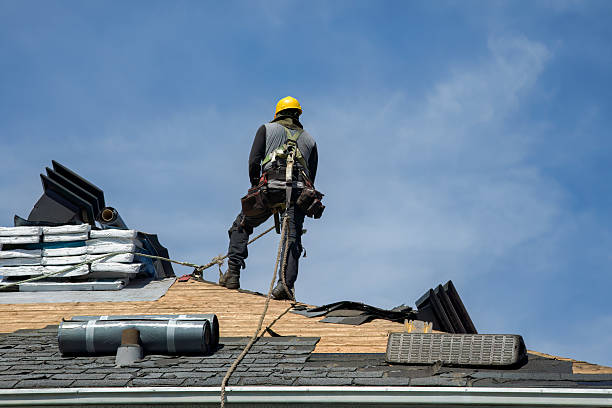
At Seattle Roof Systems, we price every new roof from the same starting point: what the roof needs to keep a Seattle house dry for the next few decades. Roof installation cost in Seattle, WA comes from the material you choose, the size and pitch of the roof, the layers installed under the visible covering, the labor involved and how easy the site is to work on. For a roof of about 2,000 square feet, architectural shingles typically land around $7,000 to $12,000, with metal, cedar and tile priced higher. The sections below explain where those dollars go, so a quote reads as a list of real choices rather than one large number.
Planning Ranges by Material
For a roof of roughly 2,000 square feet, these installed ranges are a useful starting point:
|
Material |
Typical installed range |
|
3-tab asphalt shingles |
$5,000 to $8,000 |
|
Architectural asphalt shingles |
$7,000 to $12,000 |
|
Metal (steel panels) |
$14,000 to $24,000 |
|
Cedar shakes |
$16,000 to $28,000 |
|
Clay or concrete tile |
$18,000 to $36,000 |
Low-slope roofs with TPO, PVC or EPDM membranes are usually priced by the square foot, often around $8 to $15 installed. These are planning ranges, not a quote. A site visit and measured scope set the real number.
The Layers You Do Not See
A new roof is a system, and much of its cost sits under the visible surface. Underlayment covers the whole deck and acts as a second line of defense against wind-driven rain. Ice and water barrier goes in valleys, along eaves and around chimneys and skylights, where water collects or backs up. Drip edge protects the roof edge and directs runoff into the gutters.
In our wet climate, these layers are where quality shows. Synthetic underlayment costs a little more than older felt but resists tearing and holds up better if the deck is exposed to a shower during installation. Skipping or thinning these layers is one of the easiest ways for a low bid to save money, and one of the most common reasons a new roof leaks early.
Flashing and Ventilation
Flashing seals the joints where the roof meets walls, chimneys, skylights and valleys. A careful installation replaces old, bent flashing instead of reusing it, adds counter flashing where it is missing and installs new pipe boots around every plumbing vent. Each of these details adds labor and material, but they decide whether the roof stays dry in a long winter storm.
Ventilation is the other piece. An attic needs air coming in at the soffits and leaving at the ridge, so moisture and heat do not build up under the deck. If the house has too little ventilation, a new ridge vent or added intake vents become part of the installation cost. Getting it right protects the shingles, the deck and the indoor air.
Roof Size, Pitch and Shape
Roof area is measured on the actual slopes, which is almost always larger than the home's footprint. A steeper roof has more surface for the same house and takes longer to work on safely. Very steep slopes need extra fall protection and slower handling of materials, which raises labor.
Shape matters just as much. A simple gable roof goes on quickly. A roof with several valleys, hips, dormers, skylights and level changes needs more cutting, more flashing and more waste, and each detail adds time. Two houses with the same floor area can receive very different installation prices for this reason.
Labor, Access and the Job Site
Labor is a large share of any roof cost in our area. Crew time rises with steep pitches, complex shapes and long carries from the truck to the roof. A house with a driveway beside the roof is quick to stock and clear. A home on a hillside with stairs, a narrow side yard or tight street parking needs more hand carrying and sometimes a material lift.
When we plan new roofs in Seattle, WA, we walk the site to see where materials will be delivered, where the dumpster can sit and how landscaping and siding will be protected. Those small logistics are part of the price, and a quote that ignores them is likely to change later.
Tear-Off and Hidden Deck Work
Most installations start by removing the old roof. Each extra layer of old shingles adds tear-off time and disposal fees. Once the deck is exposed, any soft, rotten or delaminated sheets must be replaced before new underlayment goes down, because fasteners will not hold in damaged wood.
Because nobody can see the full deck before tear-off, good quotes include a deck allowance with a clear price per sheet. Ask how many sheets are included, what each extra one costs and how you will be told before extra work starts.
Choosing Between Shingles and Metal
For most Seattle homes, the real decision is between architectural shingles and metal. Shingles cost less to install, suit most house styles and are easy to repair if a branch or windstorm damages a section. Metal costs roughly twice as much up front but can last much longer, sheds needles and moss well and needs fewer repairs over its life.
A simple way to compare is cost per year of service. Divide the installed price by the number of years you expect the roof to last, then add a realistic yearly maintenance figure. If you plan to stay in the home for a long time, the higher upfront price of metal often evens out. If you plan to sell within a few years, a quality shingle roof is usually the better value.
Warranties and What They Cover
Warranties also shape the value of an installation. Shingle and metal manufacturers offer product warranties, and some offer enhanced coverage when the full system, including underlayment, starter strips and ridge caps, comes from the same brand and is installed by a certified contractor. The installer's workmanship warranty is separate and covers installation errors. Ask how long each lasts, what it covers and whether it transfers to a new owner if you sell.
Weather and Timing
Seattle's rainy season affects installation timing and sometimes cost. Crews need dry windows to tear off and dry in each section the same day. Shingle seal strips bond best in mild, dry weather. Late spring through early fall is the busiest season, so booking early helps with scheduling.
Installations still happen in cooler months during dry spells, with tarps ready and smaller sections opened at a time. Ask any contractor how they protect an open deck if rain arrives mid-job.
Comparing Installation Quotes
A clear quote lists the roofing product and color, measured area, layers removed, underlayment and ice and water barrier, flashing, vents, drip edge, deck allowance, disposal, permit handling and warranties. When two quotes differ, those lines usually explain why. If you want to see how material choice affects both price and how long a roof lasts, our article on new roof cost and lifespan compares the main options side by side.
Be cautious with any quote that is far below the others. The difference often comes from thinner underlayment, reused flashing, no deck allowance or missing disposal costs. Ask the lower bidder to confirm each of those items in writing before you compare totals, so you are comparing the same roof rather than two very different jobs.
Get a Price for Your New Roof
Call Seattle Roof Systems at (425) 996-1386 to set up a measurement and inspection. Tell us the roof's age, the number of stories and any leaks or solar panels. We will explain whether a repair, a full installation or a material change makes the most sense, and give you a written, itemized estimate.
Roof Installation Cost Questions
How long does a new roof installation take?
Many asphalt roofs on single-story homes take one to two working days. Larger, steeper or more complex roofs take longer, and rain can pause the job.
What changes the cost the most?
Material choice, roof size and pitch, deck repairs and access usually make the biggest difference.
Do I need a permit for a new roof?
Often yes, depending on scope and jurisdiction. Your contractor should confirm the requirement and handle the application.
Can I install roof shingles myself?
We do not recommend it. Fall hazards, flashing details and warranty requirements make professional installation the safer choice.
Is a more expensive roof worth it?
It can be when it lasts much longer or needs less maintenance. Compare cost per year of expected service, not just the upfront price.
Does a new roof add value to a home?
A new roof often helps with resale, insurance and buyer confidence, especially when warranties transfer.
What about townhouses or rentals?
Shared walls, tenant notices and association rules add coordination. The quote should say which shared areas and flashing are included.
Are solar panels removed during installation?
Usually yes. A solar company typically removes and reinstalls them, and that cost is separate from the roof.
Is roof installation cheaper in certain seasons?
Prices follow materials and labor more than the calendar, but scheduling is easier outside the busy summer season. Booking early in spring often gives more flexibility on start dates.

Hi, I’m Freya Parker, an automotive expert focused on helping car owners make smarter decisions when selling their vehicles. I specialise in breaking down the car-selling process in a simple, practical way from understanding your car’s real value to reading market trends and spotting the right time to sell. My goal is to give you clear, honest guidance so you can confidently get the best possible price for your car without confusion or stress. Whether you’re selling for the first time or just want a better deal, I’m here to make the process straightforward, transparent, and rewarding






Comments (0)