

Tree Removal in Augusta, KS: Planning Around Fences, Lines, and Structures
Learn how tree removal in augusta, ks can be planned around fences, utility lines, homes, driveways, and nearby structures to reduce damage and keep a work site orderly
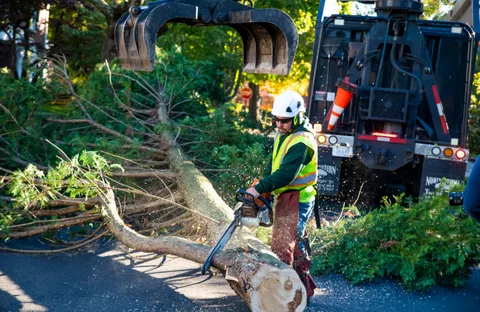
Tree removal near a fence, service line, or building should be planned as a controlled sequence, not treated as a simple cut-and-drop job. The safest plan starts with a site walk that marks the trunk, branches, roots, wires, access route, and likely landing area. A local crew such as Warrior Property Solutions can use those notes to decide whether sections must be lowered with rope instead of dropped whole. For homeowners researching tree removal in augusta, ks, the key question is how to protect nearby property while giving workers enough room to work.
Key Takeaways
-
A tree close to a fence, line, or structure often needs sectional removal.
-
Overhead wires and underground utilities require different planning steps.
-
The crew should confirm access, the drop zone, property boundaries, and cleanup before cutting.
-
A fence, roof, driveway, or shed may need temporary protection during the work.
-
Weather, tree lean, decay, and limited space can change the removal method.
1. Why Nearby Objects Change the Plan
The main risk is not only where the trunk stands. Branches can swing as they fall, the trunk can split, and the tree can shift as weight is removed. A tree that appears to lean away from a house may still have limbs reaching over a roof or fence. That is why a removal plan must consider the whole tree and the surrounding work area.
A professional site assessment should identify the tree’s lean, major limbs, weak spots, root flare, and possible drop zone. The root flare is the point where the trunk widens as it meets the ground. If the base is hollow, cracked, or partly uprooted, the tree may behave in an unexpected way when cutting begins.
Space also affects the work method. In an open yard, a crew may be able to fell a tree in one piece. In a narrow side yard, they may need to remove limbs first, lower them with ropes, and cut the trunk into short sections. This approach takes more planning but can reduce the chance of damage to nearby property.
2. What the Site Assessment Should Confirm
The site assessment should confirm what can be removed safely, where workers can stand, how equipment can enter, and which objects need protection. It should not stop at a quick look from the street. A clear plan begins with the tree and follows every possible path that a branch, log, vehicle, or piece of equipment might take.
-
The tree’s lean, branch weight, decay, and contact with nearby objects.
-
Fence panels, gates, roofs, sheds, decks, driveways, and other structures in the work area.
-
Overhead wires, poles, lights, cables, and underground utility locations.
-
A safe access route for workers, ropes, trucks, and removal equipment.
-
Stump removal, wood hauling, and final cleanup expectations.
The property owner should point out features that may not be easy to see, such as a buried irrigation line, septic component, drain field, or old boundary marker. Underground utility lines should be located before digging or stump grinding begins. A contractor may also need to adjust the plan if the equipment cannot reach the tree without crossing a soft lawn or narrow gate.
The assessment should also address who controls each part of the work area. A shared fence, alley, driveway, or utility easement may involve another property owner or a local authority. It is better to settle access and boundary questions before the first cut rather than during an active removal.
3. Planning Around Fences and Property Lines
Fences are easy to damage because they often sit close to the trunk and leave little room for falling limbs. Because tree removal in Augusta may happen on lots with tight side yards, the plan should show whether the fence can be protected in place, partly removed, or used as a limit that workers must avoid crossing.
The owner should not assume that a fence marks the exact legal property line. Posts may have shifted, a fence may have been installed several inches away from the boundary, or a shared fence may have a different maintenance agreement. When ownership is unclear, property records or local legal advice may be needed before a tree or stump near the boundary is removed.
Roots can add another concern. Cutting large roots to make room for a fence or stump equipment may affect the tree’s stability. Leaving the stump in place may protect the fence during removal but create a later obstacle for mowing or construction. The right choice depends on the tree, the fence footing, the desired future use of the area, and the risk of disturbing nearby roots.
Before work begins, the owner and crew should agree on several simple details:
-
Which gate panels, fence sections, or decorations will be moved temporarily.
-
Where cut branches and logs will be placed during the job.
-
Whether the fence, posts, lawn, or garden beds need protection.
-
How the crew will reach the tree without striking the fence with equipment.
A useful tip is to take clear photos of the fence, gate, driveway, and nearby structures before work starts. Photos create a shared record of existing conditions and can help everyone notice changes caused by access or equipment.
4. Managing Utility Lines and Access Routes
Overhead wires require extra distance and careful control of every branch and trunk section. A line may carry electricity, communications, or another service, and a limb does not need to touch it directly to create a serious hazard. Work near energized lines should be assessed and handled by people qualified to work around that type of risk.
Underground utilities create a different problem. They may not affect the tree’s fall, but they can be damaged by trucks, outriggers, stump grinders, or digging tools. Before equipment enters the yard, the property owner or contractor should arrange for underground lines to be located according to the applicable local process. Marked lines should then be treated as no-drive or no-dig areas unless the work plan allows otherwise.
For property cleanup in Augusta, access planning matters as much as the cutting itself. A narrow driveway may not allow a large truck to turn around. A low branch may block equipment from entering. Wet ground can also make heavy equipment more likely to leave ruts. The crew should know in advance where vehicles can park, where material will be loaded, and which surfaces need protection.
The following questions help settle the work plan before cutting begins:
-
Will any vehicle, lift, chipper, or trailer need to cross the lawn?
-
Are all overhead wires clearly marked and kept outside the work zone?
-
Has the route for moving logs away from the tree been identified?
-
Are underground utilities located before stump work or digging?
-
Who will manage traffic or keep people away from the active area?
If a line crosses the intended drop zone, the plan should change rather than rely on a last-second correction. Ropes, lowering devices, and smaller cuts can give workers more control, but they do not remove the need for safe clearance.
5. Protecting Homes, Driveways, and Outbuildings
A roof, window, shed, play structure, or parked vehicle should be treated as part of the work plan, not as an afterthought. The crew may use ropes, pads, plywood, or other protection based on the site. These measures can help shield surfaces from small contact and reduce the effect of moving equipment.
Protection is not a substitute for distance and control. If a large limb reaches over a roof, the crew may need to remove it in several pieces and lower each piece slowly. A tree with heavy dead branches may also need a different sequence from a healthy tree because weak limbs can break before they are fully controlled.
Driveways deserve special attention because they may be used for both access and cleanup. The owner should ask where the truck will sit, whether a chipper will be close to the pavement, and how logs will be moved without dragging them across concrete. If a driveway must remain open, the removal may need to happen in stages rather than all at once.
Outbuildings and sheds can create hidden limits. Their roof edges, gutters, vents, and walls may be below the tree canopy. A branch that misses the roof could still strike a wall or damage a gutter as it swings. Marking those features before work begins helps the crew choose better cut points.
6. Choosing the Removal Method
The removal method should match the tree’s size, condition, location, and available space. A full-tree fall may be reasonable only when the landing area is clear and the tree can be directed safely. Sectional removal is usually considered when the tree is close to a structure, fence, line, road, or other protected feature.
Sectional removal means taking off branches and trunk pieces in a planned order. Some pieces may be lowered with rigging, which uses ropes and hardware to control their movement. The size of each piece depends on the tree, the crew’s position, the landing surface, and the strength of the rigging system.
A crane may be considered on difficult tree removal sites, but it is not always the most practical option. The ground must support the equipment, overhead power lines must be addressed, and sufficient space must be available for setup. These factors can influence the overall tree removal cost, along with equipment requirements, site accessibility, and project timing. A reliable removal plan should explain why a particular method suits the property and how the chosen approach may affect the total expense.
Stump work should be discussed separately from branch and trunk removal. Grinding can clear the visible stump below the surface, while complete excavation may disturb more soil and nearby roots. If the area will later hold a driveway, fence post, patio, or new tree, the owner should explain that future use before the removal plan is finalized.
7. Mistakes That Create Avoidable Risk
One common mistake is choosing a removal date before checking access and weather. Strong wind, lightning, or saturated ground can make a planned operation unsafe or leave equipment unable to reach the tree. The schedule should allow room for a delay when conditions are not suitable.
Another mistake is treating cleanup as automatic. Wood, brush, leaves, sawdust, and small branches may be handled in different ways. The owner should ask whether material will be chipped, hauled away, stacked, or left on site. They should also confirm whether the work includes raking and basic surface cleanup.
Some owners focus only on the tree’s height and miss the impact of its spread. A short tree with long limbs over a roof can be harder to remove than a taller tree in an open field. The same is true for a tree with a narrow access route or a fence close to the trunk.
It is also risky to rely on a neighbor’s verbal approval when access crosses a boundary. A written agreement can make the plan clearer, especially when vehicles, temporary fence removal, or debris placement are involved. Local rules may also apply to work near roads, public property, or utility equipment, so those questions should be checked before scheduling.
Frequently Asked Questions
Can a Tree Be Removed in Sections Near a Fence?
Yes. Removing branches and trunk pieces in sections can give the crew more control when there is not enough room for the whole tree to fall. The size and order of each section should be based on the tree and the surrounding hazards.
Should a Fence Be Removed Before Tree Work Begins?
Not always. A crew may be able to work around an intact fence, but a gate or one fence panel may need temporary removal to create a safe access route. The decision should consider equipment width, tree position, and how logs will leave the yard.
Who Is Responsible for a Tree Near a Property Line?
Responsibility can depend on ownership, local rules, and the tree’s exact location. A fence is not always proof of the legal boundary. When the trunk sits close to the line, the parties should confirm ownership before approving removal.
Can a Driveway Stay Open During Tree Removal?
Sometimes, but the work may need to be staged. Vehicles, ropes, logs, and falling branches can make the driveway part of the active work zone. The crew should identify when access is closed and when it can safely reopen.
Is Stump Grinding Safe Near Utility Lines?
It can be possible, but underground utilities must be located first. The operator also needs enough room to control the machine without striking a line, fence, foundation, or other hidden feature.
What Should Be Done With Cut Wood?
The owner and crew should agree in advance whether wood will be removed, cut into firewood lengths, chipped, or stacked. This choice affects the truck access, work time, and final cleanup plan.
Conclusion
Careful tree removal starts with the area around the tree, not just the trunk. Fences, property lines, overhead wires, underground utilities, driveways, roofs, and outbuildings all affect the safest sequence. A clear site assessment can show whether the tree should come down in sections, whether equipment can reach the yard, and what protection is needed. Confirming access, boundaries, utility locations, and cleanup before work begins helps reduce confusion and avoidable property damage.
A Safer Way to Move Forward
Before scheduling work, they should gather photos of the tree, note nearby fences and wires, and identify gates or driveways that must stay clear. A site visit can then confirm the removal method, access plan, protection steps, and cleanup needs. They should also ask what happens if weather changes or hidden conditions appear. Clear answers make the work easier to plan and help protect the property from avoidable damage and unexpected repair costs after the crew leaves the site.

Hi, I’m Freya Parker, an automotive expert focused on helping car owners make smarter decisions when selling their vehicles. I specialise in breaking down the car-selling process in a simple, practical way from understanding your car’s real value to reading market trends and spotting the right time to sell. My goal is to give you clear, honest guidance so you can confidently get the best possible price for your car without confusion or stress. Whether you’re selling for the first time or just want a better deal, I’m here to make the process straightforward, transparent, and rewarding










Comments (0)