

How Do Voltage Regulators Keep Electronic Systems Stable and Efficient?
Voltage Regulators help maintain a stable output voltage in electronic systems, protecting sensitive components from power fluctuations while supporting reliable performance, efficiency, and safer operation.

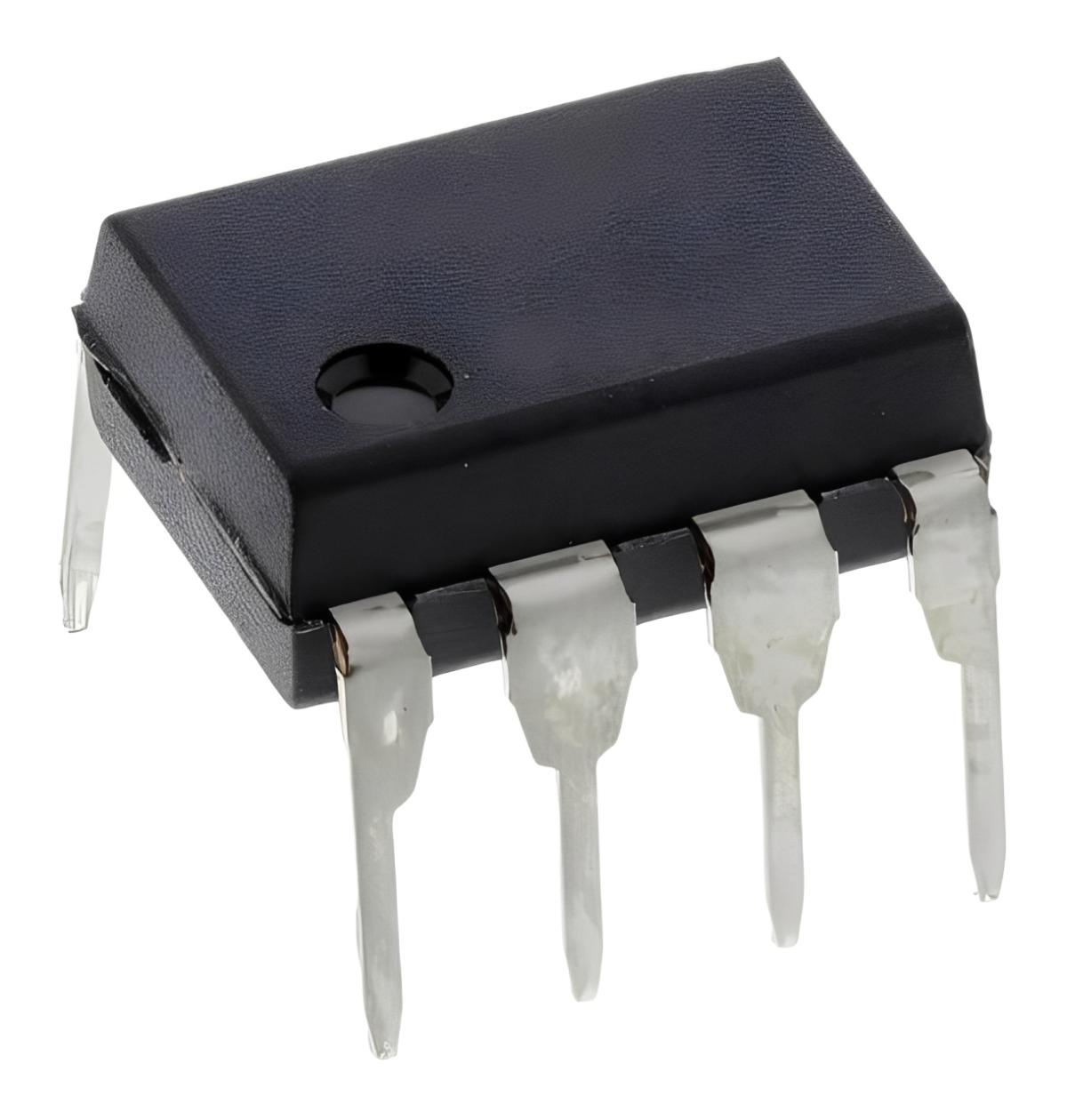
Voltage Regulators are essential power-management components that help electronic systems operate with a steady and dependable voltage supply. Their primary function is to maintain the required output voltage even when the incoming supply changes or the connected load demands more or less current. This makes them particularly important in circuits where sensitive components depend on consistent electrical conditions.
Modern electronics often contain processors, sensors, memory devices, communication modules, and control circuits that cannot tolerate large voltage variations. If the supply becomes unstable, these components may reset, produce incorrect data, lose communication, or suffer long-term damage. Voltage Regulators provide a controlled electrical environment that supports reliable performance across a wide range of applications.
Why Do Electronic Systems Need Voltage Regulation?
Power sources are not always perfectly stable. A battery gradually changes voltage as it discharges, industrial power systems may experience supply variations, and electrical loads can change rapidly during operation.
Without regulation, these fluctuations may pass directly to the electronic circuit. This can cause performance problems or push components outside their recommended operating limits.
Voltage regulation helps provide several important benefits:
- More consistent circuit performance
- Better protection for sensitive components
- Reduced risk of unexpected resets
- Improved power efficiency
- More predictable sensor operation
- Better thermal control
- Greater system reliability
These advantages make voltage regulation a fundamental part of electronic design rather than an optional feature.
How Do Voltage Regulators Maintain the Correct Output?
Voltage Regulators use feedback to monitor the voltage being supplied to the load. The regulator compares the actual output with a reference value that represents the desired voltage.
When the output becomes too high or too low, the regulator responds by changing how electrical energy is delivered. This adjustment continues throughout operation, allowing the output to remain close to the required level.
The response must often be very fast because electronic devices can change power consumption within a short period. A processor, for example, may move from an idle state to a demanding workload almost instantly.
A well-designed regulator can respond to these changes without allowing the voltage to move outside acceptable limits.
What Types of Voltage Regulators Are Used in Electronic Circuits?
Different types of regulators are available because power-management requirements vary between applications. The main choices include linear regulators, low dropout regulators, and switching regulators.
When Are Linear Regulators a Good Choice?
Linear regulators are commonly selected for applications where simplicity and low electrical noise are important.
They operate by controlling the amount of voltage that reaches the load and dissipating the unused energy as heat. This method provides a smooth output with minimal switching noise.
Linear regulators are often suitable for:
- Analogue circuits
- Audio electronics
- Sensor systems
- Low-power control boards
- Precision measurement equipment
Their main drawback is efficiency. When the difference between input and output voltage is large, more energy is lost as heat.
Why Are Low Dropout Regulators Useful?
Low dropout regulators, or LDOs, are designed to continue regulating when the input voltage is only slightly higher than the output.
This makes them especially useful in battery-operated equipment because they can continue operating as the battery voltage decreases.
LDOs are also commonly used in noise-sensitive systems because they can provide clean and stable power with relatively simple circuit requirements.
How Do Switching Voltage Regulators Improve Efficiency?
Switching regulators work differently from linear designs. Instead of continuously dissipating excess energy, they switch electrical power rapidly and transfer energy through components such as inductors and capacitors.
This method can provide much higher efficiency, especially when the voltage difference between input and output is significant.
Switching regulators are often preferred in applications where power efficiency, battery life, or heat reduction is important.
Typical uses include:
- Computers
- Industrial control systems
- Automotive electronics
- Portable devices
- Telecommunications equipment
- Battery-powered systems
Although switching regulators are more efficient, they can introduce electrical noise and may require more careful circuit layout.
What Is the Difference Between Buck, Boost, and Buck-Boost Regulators?
Switching Voltage Regulators can be designed to increase, decrease, or adapt the voltage depending on the needs of the circuit.
How Does a Buck Regulator Reduce Voltage?
A buck regulator converts a higher input voltage into a lower output voltage.
For example, a system powered by 24 V may require 5 V for a microcontroller. A buck regulator can perform this conversion efficiently while supplying the necessary current.
Buck regulators are widely used because many electronic circuits operate at lower voltages than the main power source.
When Is a Boost Regulator Needed?
A boost regulator increases the input voltage.
This is useful when the available power source provides less voltage than the connected circuit requires. Portable equipment often uses boost converters because compact batteries may not naturally provide the voltage needed by other electronic sections.
Why Can a Buck-Boost Regulator Be More Flexible?
A buck-boost regulator can either raise or lower voltage depending on the operating conditions.
This makes it useful when the input voltage may move above and below the required output. Battery-powered products are a common example because battery voltage changes during use.
What Factors Should Be Considered When Choosing Voltage Regulators?
Selecting the correct regulator requires more than checking the output voltage. Several technical factors influence whether a device will perform reliably in a particular system.
Important considerations include:
- Input voltage range
- Required output voltage
- Maximum output current
- Conversion efficiency
- Thermal performance
- Output noise
- Voltage tolerance
- Dropout voltage
- Quiescent current
- Operating temperature
The application environment should also be considered. Industrial equipment may require wider temperature ranges, while portable devices may prioritise low power consumption and small package size.
Why Is Thermal Performance Important?
Voltage regulation often generates heat, especially when electrical energy is lost during conversion.
Excessive heat can reduce efficiency, affect nearby components, and shorten the operating life of the regulator. In extreme cases, it may cause thermal shutdown or permanent damage.
Thermal management can involve:
- Selecting an efficient regulator
- Using suitable PCB copper areas
- Adding heat sinks where necessary
- Improving airflow
- Choosing a package with good thermal characteristics
Good thermal design helps maintain reliable performance across different load conditions.
How Do Protection Features Improve Reliability?
Many modern Voltage Regulators include built-in protection functions that help reduce the risk of damage during abnormal electrical conditions.
Common protection features include:
- Overcurrent protection
- Short-circuit protection
- Thermal shutdown
- Under-voltage lockout
- Overvoltage protection
- Soft-start control
These features can help prevent a temporary problem from causing wider damage within the electronic system.
Where Are Voltage Regulators Commonly Used?
Voltage regulation is required in almost every category of modern electronic equipment.
Common applications include industrial automation, computers, communication devices, medical equipment, automotive systems, robotics, LED lighting, laboratory instruments, smart devices, and battery-powered products.
Complex electronic systems may contain several regulators because different components require different voltage levels. A processor may need one voltage, while sensors, memory devices, and communication circuits require others.
Why Will Voltage Regulators Remain Important in Future Electronics?
Electronic systems continue to become more powerful while also becoming smaller and more energy-efficient. This creates increasing demand for accurate and intelligent power management.
Future Voltage Regulators will continue to support improved efficiency, programmable control, monitoring functions, adaptive power modes, and advanced protection features. These capabilities will help engineers manage growing power demands without sacrificing reliability or thermal performance.
By maintaining stable voltage under changing electrical conditions, Voltage Regulators help protect components, improve energy use, and support dependable operation. Their ability to control power accurately ensures that they will remain essential building blocks in modern and future electronic systems.










Comments (0)