

What Makes a Banknote Genuine or Counterfeit?
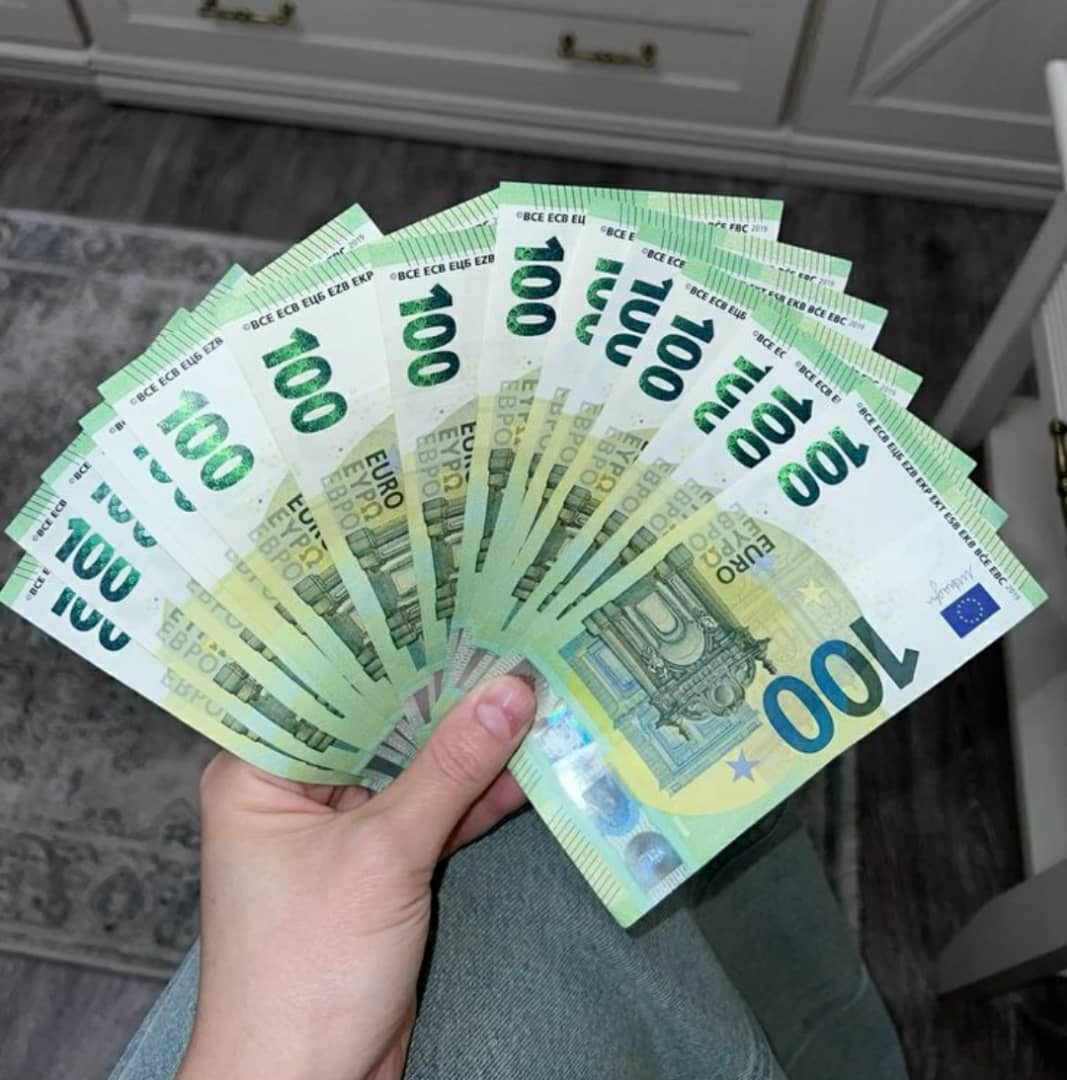
Have you ever paused to feel the texture of a bill while standing at a cash register? Many people handle cash daily without looking at the complex artistry or the hidden safety measures built into every note. Understanding these details is the best way to protect your finances from deceptive imitations.
Central banks spend years developing technology that is difficult for criminals to replicate - these attributes are specific, consistent and verifiable by anyone who knows what to look for. Genuine currency is a masterpiece of engineering designed to stay ahead of unauthorized printers.
Identification relies on three main senses - touch, sight and tilt. By using these simple methods, you can verify if a note is authentic in seconds. Learning the skills ensures that businesses and individuals do not lose money to fraudulent exchanges. Discover related collections
Key Security Features in Modern Currency
The most important part of any bill is the security thread - this thin ribbon is embedded inside the paper rather than printed on the surface. When you hold the note up to a light source, the thread appears as a solid line with tiny text indicating the denomination.
Another vital element is the watermark - This shadow like image matches the portrait on the bill and is visible from both sides when backlit. If a watermark is missing or looks like it was drawn on the surface, the note is likely not authentic. Authentic watermarks are part of the paper fibers themselves.
- Security Thread A vertical strip visible under light.
- Color-Shifting Ink Numbers that change hue when tilted.
- Microprinting Tiny words that require a magnifying glass to read.
The Unique Feel of Currency Paper
Does the bill feel like a standard piece of paper from a home printer? Official currency is not actually paper - it is a blend of cotton and linen fibers - this composition gives the note a distinct "crispness" and durability that wood based paper lacks.
Intaglio printing is a process that creates raised ink on the surface of the bill. You can feel this texture - running a fingernail over the portrait or the large denominations. Counterfeiters often struggle to mimic this tactile feedback, leaving their fakes feeling smooth or waxy.
Visual Elements to Observe
Fine lines are a hallmark of official minting - The background patterns and portraits on a real bill consist of sharp, unbroken lines. In contrast, many fakes show blurred edges or tiny dots, which are signs of digital inkjet or laser printing.
Serial numbers provide a unique identity for every note - On genuine bills, these numbers are evenly spaced and printed in a specific ink color that matches the Treasury seal. Any misalignment or color variation in these digits is a major red flag for fraud.
Understanding Legal Reproductions & Prop Money
Not every "fake" bill is meant to deceive - Many industries use reproductions for educational or entertainment purposes. Strict laws govern how the items are made to prevent them from being mistaken for real cash in a dark room or a busy store.
Legal prop money must follow specific size and color requirements. These items are significantly larger or smaller than real currency. They also feature prominent labels stating they are for motion picture use only. If you are curious about the differences, you can read about the most realistic prop money that is actually legal to see how they compare to the real thing.
While some people might search for fake US dollar notes for pranks or films, using them as real tender is a serious crime. Always ensure that any replica you own is clearly marked and follows local regulations to avoid legal trouble.
FAQ
How can I tell if a bill is real if I am in a hurry?
The fastest way is to feel the paper for raised ink and hold it up to the light to check for the security thread and watermark - these two steps catch most low quality fakes instantly.
Do security pens always work?
Security pens detect the presence of starch in wood based paper. While they are helpful, some advanced counterfeiters use "bleached" paper from lower denominations, which can trick the pen. Always check visual features too.
What should I do if I receive a counterfeit note?
Do not return it to the passer - Instead, observe the person's description and contact local law enforcement or the Secret Service immediately. Handling the note as little as possible helps preserve fingerprints.
Dark Web Market Supply is an online marketplace information platform focused on digital marketplace trends, online privacy, cybersecurity awareness, and the evolving world of internet commerce. Our goal is to provide visitors with an accessible place to explore marketplace information, understand digital services, and learn about the security considerations associated with online environments. By bringing relevant topics together in one centralized resource, we aim to make digital research more convenient, informative, and straightforward.










Comments (0)