

Why Landscape Waste Is Handled Separately From Household Trash in Illinois
Simplify landscape waste disposal in illinois with clear sorting advice, local drop-off options, and practical steps for handling leaves, branches, grass clippings, and brush
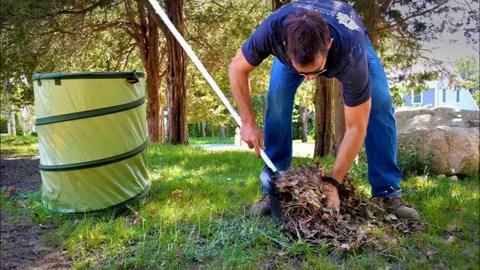
When an Illinois household clears a yard, the pile may contain leaves, grass clippings, branches, and other plant material. It may look like ordinary trash, but it needs a different path from wrappers, food waste, and broken household goods. That separation helps communities compost useful organic material and keeps unwanted items out of the compost stream. For households planning landscape waste disposal in illinois, a local hauler such as J&S Hauling and Junk Removal may be considered when the pile is too large for curbside service.
Key Takeaways
-
Landscape waste includes plant material such as leaves, grass, weeds, and branches.
-
Separate handling allows communities to compost or chip yard debris.
-
Plastic bags, soil, rocks, and household trash can contaminate a yard waste load.
-
Illinois residents should check local rules before using curbside pickup or a drop-off site.
The main reason for separate handling is that landscape waste can be reused. Leaves and grass may become compost, while brush and tree limbs may be chipped into mulch. Household trash cannot follow that same path because it may contain plastic, chemicals, food packaging, or other materials that spoil the final product.
Why Landscape Waste Disposal in Illinois Is Separate
Landscape waste is mostly organic material. When it is kept clean, a compost site can break it down and return nutrients to the soil. A chipper can also turn branches into mulch for paths, gardens, or other approved uses. These methods make better use of plant material than sending it to a landfill.
Household trash has a different mix of materials. A single plastic bag, glass item, or piece of treated wood can make a load unsuitable for composting. Food waste and pet waste may also carry health concerns or create odors, so they are not automatically accepted with leaves and branches.
The material is also heavy and bulky. Wet leaves take up space, and long limbs can damage collection equipment or create safety problems. Separate collection lets workers use the right trucks, tools, and processing site for each type of load.
What Counts as Landscape Waste?
Most local programs accept leaves, grass clippings, weeds, garden trimmings, and small branches. Some also accept brush, vines, and plant stems. The exact list can change by municipality, season, collection method, and the size of the material.
Large limbs often need different handling from loose leaves. A community may set a limit on branch length or thickness, while a compost site may ask residents to keep brush in a separate pile. Stumps, logs, soil, rocks, and treated lumber commonly require another disposal option.
A Simple Sorting Check
-
Keep leaves, grass clippings, and plant trimmings together when the local program allows it.
-
Separate thick branches, logs, and brush from loose yard debris.
-
Remove plastic bags, pots, hoses, metal, and other non-plant items.
-
Set aside dirt, stones, treated wood, and household trash for proper disposal.
A clean load is easier to collect and less likely to be rejected. Residents should empty yard debris from plastic bags unless their local service specifically allows them. Paper yard waste bags are accepted in some communities, but that detail should be confirmed before pickup day.
How Illinois Collection Rules Shape The Process
Illinois has a separate system for handling landscape waste, but local governments often control the details residents see. A town, city, or county may offer curbside pickup, seasonal leaf collection, a compost facility, or a public drop-off site. Collection dates, bag rules, branch limits, and accepted materials can differ from one place to another.
In many Illinois yard waste programs, leaves and grass must be placed at the curb in approved containers or bags. Brush may have a separate pickup schedule because it needs chipping or special equipment. Some services also require residents to place material away from parked cars, mailboxes, drains, and overhead wires.
Before loading a vehicle, residents should check the local public works page or call the collection office. That quick check can confirm whether a permit, fee, appointment, or weight limit applies. It can also prevent a trip to a site that does not accept the material.
When a private provider is used, the same questions matter. The provider should know the material list, the final destination, and whether workers need clear access to a backyard, alley, driveway, or side gate. A clear description of the pile helps avoid confusion on pickup day.
Choosing A Disposal Option for a Large Load
The best option depends on the amount and type of material. A few bags of leaves may fit a municipal collection schedule, while a large brush pile may need a truck with more room. Mixed loads require extra sorting before they can be accepted at a compost site or transfer station.
For a pile with thick limbs or a large amount of brush, brush removal options may be more suitable than a bag-based program. Residents should ask whether branches will be chipped, composted, or taken to another approved site. The answer explains why the material must be separated and what preparation is needed.
Access is another practical concern. A heavy pile behind a fence may take more time to remove than a pile beside the driveway. Residents can make the process easier by clearing a path, moving vehicles, and keeping children and pets away from the work area.
Before Choosing A Disposal Option
-
Estimate the pile size and separate loose debris from large branches.
-
Confirm accepted materials, container rules, and collection dates.
-
Check whether the truck can reach the pile without damaging property.
-
Ask where the material will go and whether extra sorting is needed.
Cost may also vary based on volume, labor, distance, and access. A low-cost curbside option may work for a small, clean pile, while a larger load may require paid hauling. Comparing the full process is more useful than looking only at the first quoted price.
Common Mistakes That Lead to Rejected Loads
Mixing household trash with plant material is one of the most common errors. A bag that includes a few branches, food wrappers, and broken tools is no longer a clean landscape waste load. It may need to be sorted again or sent through a different waste stream.
Another mistake is assuming every type of plant material belongs in the same container. Some programs separate leaves from brush, and some do not accept grass clippings during certain collection periods. Residents should also avoid placing soil, rocks, or construction debris in a yard waste pile because those materials can damage processing equipment.
Timing matters as well. Leaves placed at the curb after the final seasonal pickup may remain there until the next service. Weather can also make wet piles heavier and harder to move. Checking the schedule early and keeping the pile accessible can prevent delays.
Problems To Avoid
-
Do not hide household trash inside bags of leaves or grass.
-
Do not assume plastic bags are accepted at a compost or drop-off site.
-
Do not place oversized limbs with loose debris unless the rules allow it.
-
Do not skip the local check for dates, limits, and container requirements.
Frequently Asked Questions
Can Leaves and Grass Clippings Be Mixed Together?
Often, yes, but the answer depends on the local program. Some communities collect both materials together, while others use separate dates or rules. Residents should confirm the accepted mix before setting out a load.
Why Are Plastic Bags Usually Not Allowed With Yard Waste?
Plastic bags can remain in finished compost and may require workers to open or sort them by hand. Even bags labeled biodegradable may not break down in every compost process. Approved paper bags or loose placement are common alternatives, but local rules control.
Are Tree Branches Handled Like Leaves?
Usually not. Branches take more space and may need chipping, cutting, or special equipment. A collection service may set limits for length and thickness, so large limbs should be checked before they are placed at the curb.
Can Soil and Rocks Go Into a Landscape Waste Pile?
They generally should not. Soil and rocks are not plant material, and heavy stones can damage chippers or other equipment. They may also change the quality of finished compost or mulch. A local program can explain the proper disposal route.
What Happens If Household Trash Is Mixed With Yard Debris?
The load may be rejected, sorted, or sent to a disposal site that handles ordinary trash. Separation before pickup is usually easier than trying to correct a mixed load later. It also protects the quality of compost and mulch made from clean plant material.
Do Landscape Waste Rules Differ Across Illinois?
Yes. Municipal collection schedules, accepted containers, branch limits, and drop-off rules can vary across Illinois. Residents should use the rules for their own city, village, township, or county rather than relying on instructions from another community.
Keeping Plant Material in the Right Stream
Landscape waste is handled separately because it can be composted, chipped, or reused when it stays clean. Household trash contains materials that can contaminate those processes, while large branches may need different equipment from leaves and grass. Sorting the pile, checking local rules, and planning for access are simple steps that help the material reach the right destination.
Next Steps for Landscape Waste
Residents who have a growing pile of leaves, grass, branches, or brush can start by checking local collection rules and removing all trash and plastic. They can then measure the load, separate oversized limbs, and confirm whether curbside pickup, a compost site, or hauling is the best fit. Clear sorting reduces delays and keeps useful plant material in the proper waste stream. A local disposal provider can explain accepted materials, access needs, and scheduling before the load is moved safely.

Hi, I’m Freya Parker, an automotive expert focused on helping car owners make smarter decisions when selling their vehicles. I specialise in breaking down the car-selling process in a simple, practical way from understanding your car’s real value to reading market trends and spotting the right time to sell. My goal is to give you clear, honest guidance so you can confidently get the best possible price for your car without confusion or stress. Whether you’re selling for the first time or just want a better deal, I’m here to make the process straightforward, transparent, and rewarding







Comments (0)