

10 Powerful Vegetarian Food Pairings for Better Nutrition
Discover 10 delicious protein-rich vegetarian meals to support muscle growth, manage weight, and improve nutrition with simple, healthy everyday food combinations.

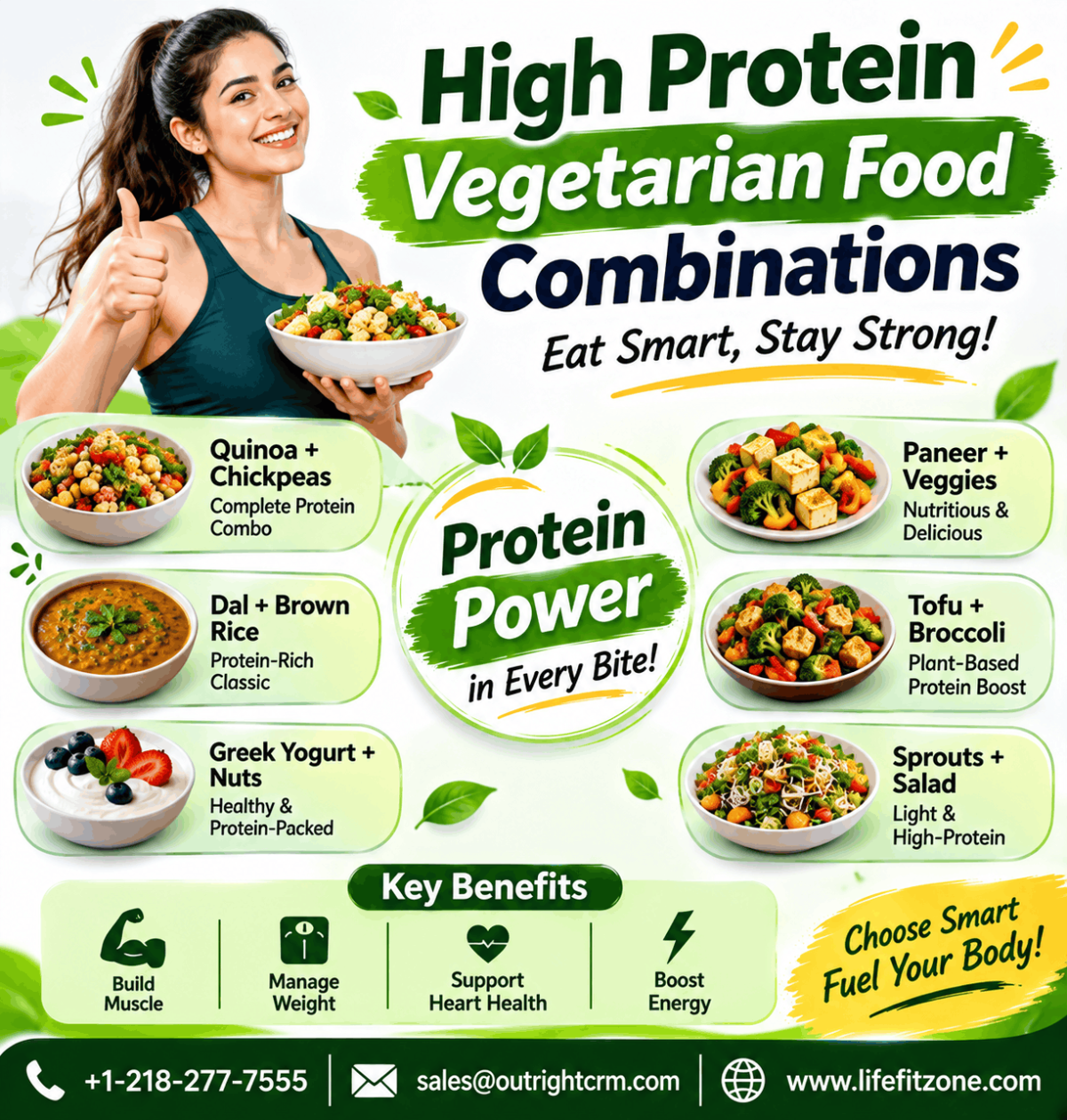
Getting enough protein on a vegetarian diet does not have to be difficult. With the right ingredients and a little meal-planning knowledge, you can prepare delicious and nutritious meals that support your health and fitness goals.
Many people believe that protein mainly comes from meat, chicken, and fish. However, vegetarian foods such as lentils, beans, chickpeas, paneer, tofu, dairy products, nuts, and seeds can also contribute significantly to your daily protein intake.
The secret is knowing how to combine different ingredients to create balanced meals. Exploring different high protein vegetarian meals can help you maintain a nutritious diet without compromising on taste or variety.
In this guide, we will explore the best high-protein vegetarian food combinations, their nutritional benefits, and practical ways to include them in your everyday routine.
Why Is Protein Important in a Vegetarian Diet?
Protein is an essential macronutrient that supports several important functions in the body. It helps repair tissues, maintain muscles, produce enzymes, and support normal immune function.
Following a well-planned protein-rich vegetarian diet can provide the nutrients your body needs to maintain overall health.
Some important benefits of protein include:
- Muscle maintenance: Protein provides amino acids that help repair and maintain muscle tissue.
- Better fullness: Protein-rich meals can help you feel satisfied for longer.
- Tissue repair: Your body uses protein to maintain and repair cells and tissues.
- Healthy metabolism: Protein is needed to produce enzymes involved in metabolic processes.
- Overall nutrition: Protein-containing foods often provide additional nutrients such as iron, calcium, magnesium, and fiber.
A varied vegetarian diet can provide all the essential amino acids your body needs.
10 Best High-Protein Vegetarian Food Combinations
You do not need expensive supplements or complicated recipes to increase your protein intake. Everyday vegetarian ingredients can be combined to create nutritious meals.
These plant-based protein food combinations offer different nutrients and flavors, making it easier to maintain a balanced eating routine.
1. Dal and Brown Rice
Dal and rice are among the most popular food combinations in Indian households. Besides being affordable and easy to prepare, they offer complementary amino acid profiles.
Lentils provide protein and are particularly rich in lysine, while rice contributes amino acids that are relatively limited in lentils.
Benefits:
- Lentils provide plant-based protein and dietary fiber.
- Brown rice contributes complex carbohydrates.
- Together, they provide a variety of essential amino acids.
- The combination is filling and suitable for everyday meals.
How to enjoy it: Prepare moong dal, masoor dal, or toor dal and serve it with brown rice. Add vegetables or fresh salad for additional vitamins and minerals.
2. Paneer and Whole Wheat Roti
Paneer is a popular vegetarian protein source, particularly in Indian diets. Combining it with whole wheat roti creates a satisfying meal with protein, carbohydrates, and other essential nutrients.
Paneer contains all nine essential amino acids, making it a complete protein source.
Benefits:
- Paneer provides high-quality dairy protein.
- Whole wheat roti supplies carbohydrates and additional protein.
- Paneer contributes calcium and phosphorus.
- This combination can support muscle maintenance and recovery.
How to enjoy it: Prepare paneer bhurji, grilled paneer, or lightly spiced paneer curry. Serve it with whole wheat chapatis and cucumber salad.
3. Chickpeas and Quinoa
Chickpeas and quinoa make an excellent combination for anyone looking to add more plant-based protein to their meals.
Chickpeas are rich in protein and fiber, while quinoa contains all nine essential amino acids.
Benefits:
- Both ingredients contribute plant-based protein.
- Chickpeas provide dietary fiber and important minerals.
- Quinoa offers complex carbohydrates and magnesium.
- This combination works well for lunch and dinner.
How to enjoy it: Mix cooked chickpeas with quinoa, cucumber, tomatoes, lemon juice, and fresh herbs to prepare a refreshing salad.
4. Greek Yogurt and Chia Seeds
Greek yogurt is a convenient source of high-quality dairy protein. Chia seeds add fiber, healthy fats, and additional plant protein.
Benefits:
- Greek yogurt provides complete protein.
- Chia seeds contribute fiber and omega-3 fatty acids.
- The combination can help keep you satisfied between meals.
- Both ingredients offer additional micronutrients.
How to enjoy it: Add one tablespoon of chia seeds to plain Greek yogurt. Top it with berries, almonds, or sliced banana.
5. Tofu and Edamame
Tofu and edamame are both made from soybeans, making them excellent sources of plant-based protein.
Soy protein is considered a complete protein because it contains all nine essential amino acids.
Benefits:
- Both foods provide high-quality plant protein.
- They contain iron and other important minerals.
- They are suitable for vegan and vegetarian diets.
- They can be included in quick and nutritious meals.
How to enjoy it: Prepare a tofu and edamame stir-fry with broccoli, bell peppers, carrots, and a light soy-based dressing.
6. Peanut Butter and Whole Grain Bread
Peanut butter and whole grain bread are a convenient combination for people with busy schedules.
Peanuts are relatively rich in protein, while whole grains provide additional protein and complex carbohydrates.
Benefits:
- Peanut butter provides protein and healthy unsaturated fats.
- Whole grain bread contributes fiber and carbohydrates.
- Both ingredients are easy to store and prepare.
- The combination makes a convenient breakfast or snack.
How to enjoy it: Spread natural peanut butter over whole grain toast. Add banana slices or cinnamon for extra flavor.
7. Kidney Beans and Brown Rice
Rajma chawal is another traditional Indian meal that offers a nutritious combination of plant-based protein and carbohydrates.
Kidney beans are rich in lysine, while rice contributes complementary amino acids.
Benefits:
- Kidney beans provide protein, fiber, and iron.
- Brown rice contributes complex carbohydrates.
- Together, they offer a broader range of essential amino acids.
- The meal is filling and suitable for lunch or dinner.
How to enjoy it: Cook rajma with tomatoes, onions, ginger, and spices. Serve it with brown rice and fresh salad.
8. Milk and Almonds
Milk and almonds are simple ingredients that can contribute to your daily protein intake.
Milk provides complete dairy protein, while almonds offer plant protein, healthy fats, vitamin E, and magnesium.
Benefits:
- Milk contains whey and casein proteins.
- Almonds provide additional protein and healthy fats.
- Both foods contribute important micronutrients.
- The combination is convenient for breakfast or an evening snack.
How to enjoy it: Drink a glass of milk alongside a small handful of almonds.
9. Moong Dal Chilla and Curd
Moong dal chilla is a nutritious Indian breakfast option prepared using ground lentils. Pairing it with plain curd adds high-quality dairy protein.
Benefits:
- Moong dal contributes plant-based protein and fiber.
- Curd supplies complete dairy protein and calcium.
- The combination provides a balanced breakfast.
- It can be prepared using simple household ingredients.
How to enjoy it: Prepare two moong dal chillas with onions, tomatoes, coriander, and spices. Serve them with plain curd.
10. Oats and Milk with Pumpkin Seeds
Oats and milk create a simple breakfast that provides carbohydrates, protein, and important minerals. Pumpkin seeds add extra protein, magnesium, and healthy fats.
Benefits:
- Milk provides complete protein.
- Oats contribute fiber and additional protein.
- Pumpkin seeds increase the meal's protein and mineral content.
- The combination is easy to customize.
How to enjoy it: Cook oats in milk and add one tablespoon of pumpkin seeds. Top with chopped nuts or fresh fruit.
Best Vegetarian Protein Sources to Include in Your Diet
Choosing the right ingredients is essential when planning nutritious vegetarian meals. Some of the best vegetarian protein sources are readily available in Indian kitchens.
Consider adding these foods to your regular grocery list:
|
Vegetarian food |
Approximate protein per 100 g |
|
Soy chunks (dry) |
50–52 g |
|
Peanuts |
25–26 g |
|
Pumpkin seeds |
29–30 g |
|
Almonds |
21 g |
|
Paneer |
16–20 g |
|
Chickpeas (cooked) |
8–9 g |
|
Kidney beans (cooked) |
8–9 g |
|
Tofu |
8–17 g |
|
Quinoa (cooked) |
4–5 g |
Protein values are approximate and depend on the variety, brand, moisture content, and preparation method.
How to Build a Balanced High-Protein Vegetarian Meal
A nutritious meal should provide more than protein. It should also contain carbohydrates, healthy fats, fiber, vitamins, and minerals.
Here are some simple ways to create balanced meals:
1. Include a Protein Source
Choose foods such as paneer, tofu, lentils, chickpeas, kidney beans, Greek yogurt, and soybeans.
2. Add Complex Carbohydrates
Include brown rice, whole wheat roti, oats, quinoa, sweet potatoes, or whole grain bread.
3. Include Vegetables and Fruits
Choose seasonal options such as spinach, broccoli, carrots, tomatoes, cucumber, oranges, and berries.
4. Add Healthy Fats
Include almonds, walnuts, chia seeds, flaxseeds, pumpkin seeds, and olive oil in suitable portions.
Combining these ingredients makes it easier to prepare healthy protein-packed vegetarian recipes that are both satisfying and nutritious.
Vegetarian Foods for Muscle Growth
If your goal is to build or maintain muscle, protein intake should be combined with regular resistance training, adequate calories, and sufficient recovery.
Several vegetarian foods for muscle growth can help support your fitness routine.
Some useful options include:
- Paneer and Greek yogurt for high-quality dairy protein.
- Tofu and soy chunks for plant-based protein.
- Lentils and chickpeas for protein and carbohydrates.
- Milk for whey and casein protein.
- Quinoa and beans for additional plant protein.
Try distributing protein intake across your meals instead of consuming most of it in one sitting.
Your total daily protein requirement depends on factors such as body weight, physical activity, age, and fitness goals.
Sample One-Day High-Protein Vegetarian Meal Plan
Here is a simple meal plan to help you incorporate different protein sources throughout the day.
|
Meal |
Food choices |
|
Early morning |
Milk and a few almonds |
|
Breakfast |
Moong dal chilla with curd |
|
Mid-morning |
Greek yogurt with chia seeds |
|
Lunch |
Rajma, brown rice, and vegetable salad |
|
Evening snack |
Roasted chickpeas |
|
Dinner |
Paneer bhurji, whole wheat roti, and vegetables |
Adjust portion sizes according to your energy requirements, activity level, and nutritional goals.
Tips to Increase Protein Intake on a Vegetarian Diet
Small changes in your eating habits can make a meaningful difference.
- Plan meals in advance: Identify protein sources for breakfast, lunch, dinner, and snacks.
- Keep protein-rich foods available: Stock your kitchen with lentils, beans, chickpeas, tofu, paneer, nuts, and seeds.
- Choose nutritious snacks: Try roasted chickpeas, yogurt, or nuts.
- Explore different legumes: Rotate moong dal, masoor dal, chickpeas, kidney beans, and black-eyed peas.
- Include soy products: Tofu, tempeh, and edamame are versatile protein options.
- Read nutrition labels: Check the protein content per serving when purchasing packaged foods.
- Eat a variety of foods: Different protein sources provide different amino acids and micronutrients.
Common Mistakes to Avoid
Even healthy vegetarian diets can become nutritionally unbalanced without proper planning.
- Eating too many refined carbohydrates without enough protein.
- Depending only on nuts instead of including more protein-dense foods.
- Skipping meals regularly.
- Ignoring vitamin B12 and iron requirements.
- Assuming every food combination automatically provides complete protein.
- Consuming excessive calories while trying to increase protein intake.
A diverse and balanced diet is more beneficial than relying on a single food or ingredient.
Frequently Asked Questions
1. What are the best high-protein vegetarian food combinations?
Some excellent options include dal with rice, paneer with whole wheat roti, chickpeas with quinoa, tofu with edamame, Greek yogurt with chia seeds, and moong dal chilla with curd.
2. Can vegetarians get enough protein without supplements?
Yes. Many vegetarians can meet their daily protein requirements through regular foods such as lentils, beans, soy products, dairy products, nuts, and seeds.
3. Which vegetarian food has the highest protein?
Dry soy chunks are among the most protein-dense commonly available vegetarian foods. Tofu, tempeh, paneer, and Greek yogurt are also useful options.
4. Is dal and rice a good protein combination?
Yes. Lentils and rice have complementary amino acid profiles. Together, they provide a broader range of essential amino acids.
5. What should vegetarians eat after a workout?
A post-workout meal can include paneer bhurji with roti, tofu with rice, Greek yogurt with fruit, or a lentil-based meal.
6. Are high-protein vegetarian meals good for weight management?
They can help support fullness and maintain muscle mass during weight loss. However, successful weight management also depends on total calorie intake, physical activity, sleep, and consistent eating habits.
Final Thoughts
Eating a vegetarian diet does not mean compromising on protein or nutritional quality. With thoughtful planning, you can enjoy a wide variety of delicious meals that support your fitness and wellness goals.
From traditional combinations such as dal and rice to modern options such as tofu and edamame, there are plenty of ways to include protein-rich foods in your daily routine.
The key is to eat a diverse range of protein sources, maintain balanced portions, and choose foods that fit your lifestyle.
Start with these high-protein vegetarian food combinations, experiment with different recipes, and build healthy eating habits that you can maintain over time.
For more practical nutrition, fitness, and healthy lifestyle insights, explore Lifefitzone.
Eat well, stay active, and make every meal count!









Comments (0)