

Heat Pump Service in Falmouth, MA: What a Seasonal Tune-Up Covers
Protect comfort and equipment life with heat pump service in falmouth, ma. Learn what a seasonal tune-up checks, why timing matters, and how to plan the visit
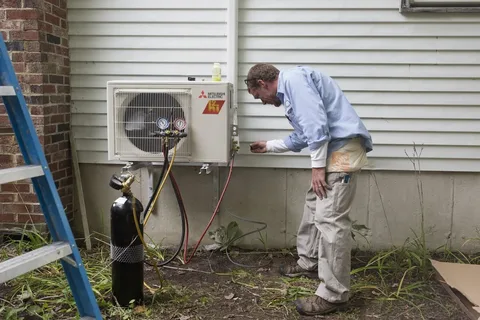
When a heat pump has been quiet all summer, a homeowner may assume it will switch to heat without trouble. A seasonal tune-up checks the parts that affect safety, airflow, comfort, and efficiency before heavy demand arrives. Blue Pacific Cape Cod is one local name a property owner may encounter when comparing service options, but the inspection itself matters more than branding. For heat pump service in falmouth, ma, a proper tune-up typically includes system controls, coils, filters, electrical parts, refrigerant checks, drainage, and a performance test.
Key Takeaways
-
A tune-up checks both the indoor air handler and the outdoor unit.
-
Cleaning, airflow testing, and control checks can reveal small problems early.
-
Coastal air, blocked drainage, and poor outdoor clearance can affect performance.
-
A service visit should explain which findings need repair and which can wait.
-
Regular maintenance does not replace safe operation, correct sizing, or good ductwork.
What Heat Pump Service in Falmouth, MA Includes
A seasonal visit is more than changing an air filter. The technician should review how the complete system starts, runs, transfers between heating and cooling, and shuts down. The exact work depends on the heat pump type, its age, its condition, and whether it serves one room or a whole home.
A Check Of The Indoor And Outdoor Units
The indoor air handler is checked for dust, loose parts, blocked airflow, and signs of moisture. The outdoor unit is inspected for leaves, grass, salt residue, bent fins, and anything that limits air movement. Outdoor clearance matters because the unit needs room to release or collect heat as it operates.
The technician may also inspect the blower wheel and indoor coil. Dirt on either part can reduce airflow and make the system work harder. In a home with older ductwork, the visit may also reveal loose connections or crushed sections that affect rooms far from the air handler.
Controls, Electrical Parts, And Refrigerant
A thermostat test confirms that the system responds to heating and cooling calls. The technician may check wiring, contactors, capacitors, disconnects, and other electrical connections for wear or looseness. These checks help identify parts that may need attention before a busy weather period.
Refrigerant is not normally added as routine maintenance. If the charge appears low, the service provider should look for a leak and explain the findings. Adding refrigerant without finding the cause may only delay the real repair.
Drainage And Defrost Operation
During cooling, the system removes moisture from indoor air. That water should move through the condensate pan and drain line without backing up. A blocked drain can cause water damage, odors, or a safety shutoff.
In heating mode, the outdoor coil can collect frost. The defrost cycle should remove that frost without leaving the unit covered in ice. A technician can check the controls and sensors that support this process, especially when a property owner has noticed weak heat or long run times.
The Core Checks During A Tune-Up
A good appointment should leave the property owner with a clear picture of the system’s condition. When comparing heat pump service in falmouth, ma, they can ask whether the visit includes a performance test rather than only a visual inspection.
Common parts of a careful tune-up include:
-
Checking the air filter, supply vents, return grilles, and overall airflow.
-
Cleaning accessible coils and removing debris from the outdoor cabinet.
-
Testing thermostat operation, temperature change, and system controls.
-
Inspecting electrical connections for damage, corrosion, or loose contacts.
-
Reviewing condensate drainage, refrigerant concerns, and the defrost cycle.
The technician may record temperature readings, operating pressures, or electrical measurements. These details are more useful than a simple statement that the system looks fine. They give the owner a basis for deciding whether a repair is urgent, whether monitoring is enough, or whether a larger issue deserves a separate estimate.
A filter is one item that the property owner can monitor between visits. The correct replacement schedule depends on the filter type, home conditions, pets, renovation dust, and system use. A clogged filter should not be left in place until the next annual appointment.
When Earlier Service Makes Sense
For Falmouth heat pump maintenance, timing may depend on how the home is used and what the equipment has been doing. A year-round home may need attention at a different time than a seasonal property that sits empty for months. Coastal air can also leave residue on exposed equipment, so the outdoor cabinet deserves regular visual checks.
Some signs deserve attention before the usual seasonal appointment:
-
The system runs much longer than it used to or struggles to reach the set temperature.
-
The outdoor unit makes grinding, rattling, or repeated clicking sounds.
-
Frost remains on the outdoor coil after the system has had time to defrost.
-
Water appears near the indoor unit, or rooms receive noticeably weak airflow.
A property owner may be tempted to raise or lower the thermostat repeatedly when comfort changes. That can hide the pattern without fixing the cause. Recording when the issue occurs, which mode the system is using, and which rooms are affected gives the technician better information.
A seasonal tune-up is also useful before a property is closed for an extended period. The owner can ask about filter condition, freeze protection, drainage, and any steps needed before the home is left unattended. Those questions are practical for vacation homes and for houses that have uneven occupancy.
How To Plan The Appointment
The best service decision starts with the system’s symptoms and history. A property owner should note the installation date if known, recent repairs, unusual sounds, comfort problems, and any changes in energy use. Photos of error codes or water around the indoor unit can help explain an intermittent problem.
For Cape Cod seasonal HVAC care, it also helps to ask what the appointment includes, whether the technician will test both modes, and whether repairs are priced separately. A low-cost visit that excludes important checks may not offer the same value as a more complete inspection. The written scope should be clear before work begins.
Useful questions to raise before the visit include:
-
Will the technician inspect and test both the indoor and outdoor units?
-
Are cleaning, filter checks, drainage checks, and electrical testing included?
-
How will the technician explain a suspected refrigerant leak or airflow problem?
-
Will the service report identify urgent repairs separately from future planning items?
The property owner should also consider access. Furniture, stored items, shrubs, or snow near the outdoor unit can slow the inspection or prevent a full check. Clearing a safe path and keeping the air handler accessible helps the appointment stay focused.
Common Oversights That Affect Results
One common mistake is treating the outdoor unit as maintenance-free. Leaves and plant growth can gather around the cabinet, while salt and moisture may contribute to corrosion on exposed metal. The owner should keep the area clear without bending the fins or spraying water into electrical parts.
Another mistake is assuming every comfort problem comes from the heat pump itself. Poor insulation, leaky ductwork, blocked registers, and an inaccurate thermostat can create similar symptoms. A careful evaluation considers the whole comfort system instead of replacing a part without checking the rest of the setup.
It is also easy to overlook noise changes. A new buzz, vibration, or clicking sound may not mean immediate failure, but it gives the technician a useful starting point. Early notes can make troubleshooting more direct and may prevent repeated visits for the same unclear complaint.
How To Read The Technician’s Findings
A service report should separate observation from recommendation. For example, a dirty coil is a condition that can be explained and corrected, while a worn electrical part may need a clearer timeline based on its test results. The owner can ask what could happen if a repair is delayed and whether the equipment can continue operating safely.
A tune-up cannot guarantee that an older heat pump will avoid every future breakdown. It can, however, show whether the system is operating within expected limits and whether a repair is reasonable. If replacement is discussed, the owner should ask about system size, ductwork, electrical needs, noise, cold-weather operation, and installation requirements rather than focusing only on the equipment label.
Cost questions are also best handled with detail. Pricing may vary with system type, access, cleaning needs, repairs, and the scope of testing. A clear estimate should state what is included, what is optional, and whether follow-up work is billed separately.
Frequently Asked Questions
How Often Should A Heat Pump Receive Service?
Many property owners schedule a professional check before a major heating or cooling season. The right timing can vary with equipment age, operating hours, indoor air quality, and whether the home is occupied all year. Manufacturer instructions and the system’s service history should also be considered.
Does A Tune-Up Include Ductwork Inspection?
A basic equipment visit may not include a full duct inspection. The technician can often notice disconnected, crushed, or poorly sealed duct sections, but a detailed duct evaluation may be a separate service. Weak airflow in one area is a good reason to ask what the appointment covers.
Should The Filter Be Replaced Before Service?
A severely dirty filter should be replaced or reported before the visit because it can affect airflow readings. The old filter can be kept nearby if the technician needs to see its condition. The replacement must match the system’s required size and type.
Can A Heat Pump Be Serviced During Winter?
Yes. A technician can inspect a system during the heating season, although weather and demand may affect scheduling. If the unit is not heating, is covered in persistent ice, or has an electrical smell, the owner should describe those symptoms when requesting service.
Will A Tune-Up Lower Energy Bills?
Maintenance may correct issues that restrict airflow or cause poor operation, but savings are not guaranteed. Bills also depend on weather, thermostat settings, insulation, duct losses, occupancy, and equipment size. The most useful result is a clear explanation of the system’s condition.
When Should Replacement Be Considered?
Replacement becomes a planning question when repairs are frequent, parts are difficult to source, comfort remains poor, or the system no longer fits the property’s needs. Age alone does not decide the issue. A comparison of repair cost, expected reliability, operating needs, and installation requirements gives the owner a better basis for action.
A Seasonal Check Supports Better Planning
A tune-up gives a property owner a chance to examine the full heating and cooling system before a small concern becomes a major interruption. The most useful visit includes cleaning, measurements, control checks, drainage review, and a plain explanation of the findings. With accurate information, they can handle simple maintenance, schedule needed repairs, and plan for replacement only when the equipment and property conditions support that choice.
Plan The Next Tune-Up
Before the next heating or cooling season, a property owner can schedule an evaluation, note unusual sounds, and gather the system’s service records. A technician can then review the equipment’s condition, explain any urgent repair, and separate needed work from optional improvements. Booking with enough time before a busy weather period may make planning easier. The goal is not to replace equipment too soon, but to keep comfort, airflow, drainage, and safe operation in clear view through every season ahead.

Hi, I’m Freya Parker, an automotive expert focused on helping car owners make smarter decisions when selling their vehicles. I specialise in breaking down the car-selling process in a simple, practical way from understanding your car’s real value to reading market trends and spotting the right time to sell. My goal is to give you clear, honest guidance so you can confidently get the best possible price for your car without confusion or stress. Whether you’re selling for the first time or just want a better deal, I’m here to make the process straightforward, transparent, and rewarding










Comments (0)