

Pre-Treatment Checklist Before Booking Laser Scar Removal in Dubai
Prepare confidently with this checklist before booking Laser Scar Removal in Dubai.
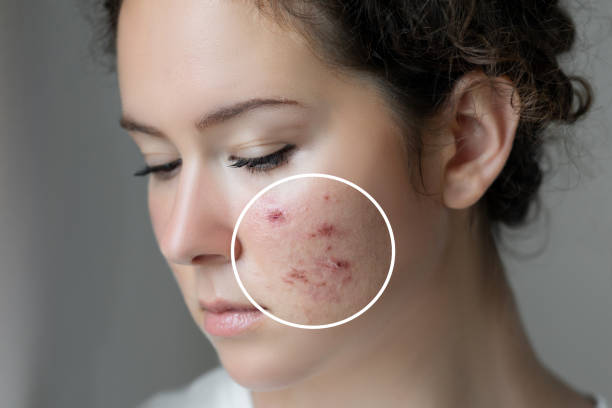
Preparing for a scar procedure involves more than choosing an appointment date. Patients should understand their skin condition, treatment options, recovery requirements, and possible risks before proceeding. A practical checklist can make the consultation more productive and help people make informed decisions about Laser Scar Removal in Dubai.
The right preparation also allows the clinician to identify factors that could affect treatment suitability or healing.
Start with a Professional Scar Assessment
Before booking a procedure, establish exactly what type of mark needs attention. A dark spot left after acne, for example, may be pigmentation rather than a depressed scar. Raised surgical marks and deep acne scars also require different considerations.
During the consultation, the clinician should examine:
-
Scar depth, shape, and texture.
-
Colour differences and visible redness.
-
Whether the scar is raised, depressed, or tethered.
-
The age and location of the scar.
-
The condition of the surrounding skin.
-
Any history of unusual healing or pigmentation.
This assessment helps determine whether laser treatment is suitable or whether another method should be considered.
Your Pre-Treatment Checklist for Laser Scar Removal in Dubai
1. Share Your Medical and Skin History
Provide accurate information about relevant health conditions, previous procedures, allergies, and medications.
Tell the clinician if you have:
-
A history of keloids or raised scars.
-
Previous pigmentation changes after skin injuries.
-
Active skin infections or inflammation.
-
A history of cold sores, particularly before facial procedures.
-
Previous laser treatments or resurfacing procedures.
-
Any condition or medication that may affect healing.
Do not stop prescribed medication without discussing it with the prescribing clinician.
2. Discuss Current Skincare Products
Some skincare ingredients can increase sensitivity, particularly when combined with resurfacing procedures.
Bring a list or photographs of your current products, including:
-
Retinoids.
-
Exfoliating acids.
-
Benzoyl peroxide.
-
Prescription acne treatments.
-
Skin-lightening products.
-
Recently introduced active ingredients.
Your clinician can advise whether any products should be paused and when they can safely be restarted.
3. Avoid Unnecessary Sun Exposure
Recent tanning or sunburn may increase the risk of irritation and pigmentation changes after certain laser procedures.
Before treatment:
-
Avoid deliberate tanning.
-
Protect the treatment area from direct sunlight.
-
Use suitable sunscreen on intact, exposed skin.
-
Inform the clinic about recent sunburn or significant tanning.
The clinician may recommend postponing treatment if the skin is irritated or recently sun-damaged.
4. Confirm the Proposed Laser Technology
Ask which device is being considered and what it is intended to treat. Different systems target different skin features, and not every laser is appropriate for every scar.
Useful questions include:
-
Is the proposed treatment ablative or non-ablative?
-
Is it fractional or fully ablative?
-
Which scar features is it intended to improve?
-
Why is it appropriate for my skin tone?
-
What are the alternatives?
Patients should not assume that a particular technology is suitable simply because it is widely advertised.
5. Understand the Recovery Period
Recovery varies according to the device, treatment intensity, and individual healing response.
Before booking, clarify:
-
How much redness or swelling may occur.
-
Whether the skin surface will be disrupted.
-
How long normal activities may be affected.
-
When makeup or active skincare can be resumed.
-
Whether you will need a follow-up appointment.
Planning around work, travel, and social commitments can make recovery more manageable.
6. Check for Active Skin Problems
Treatment may need to be postponed if the intended area has an active infection, open wound, significant irritation, or another condition that could interfere with healing.
Inform the clinician about new rashes, cold sores, inflamed acne, or unusual skin changes before the appointment.
Questions to Ask Before Confirming Your Appointment
A good consultation should give you a clear understanding of the proposed treatment.
| Topic | Question to ask |
|---|---|
| Diagnosis | What type of scar do I have? |
| Suitability | Is laser treatment appropriate for this concern? |
| Technology | Which device and treatment method will be used? |
| Safety | What risks are relevant to my skin? |
| Results | What level of improvement is realistic? |
| Sessions | How many appointments might be needed? |
| Cost | What is included in the treatment estimate? |
| Recovery | What restrictions should I expect? |
Practical Arrangements for Treatment Day
Once the procedure is confirmed, follow the clinic's specific instructions. These may include arriving with clean skin, avoiding certain products, or making arrangements for transportation after more intensive treatment.
Depending on the planned procedure, patients may also be advised to:
-
Avoid applying makeup to the treatment area.
-
Bring details of current medications.
-
Wear comfortable clothing that allows access to the area.
-
Avoid scheduling important events immediately after treatment.
-
Arrange support if sedation or other medication is planned.
Do not follow generic preparation advice in place of the instructions provided for your specific procedure.
When You Should Consider Delaying Treatment
A laser appointment should not proceed without reassessment if the skin has developed an unexpected problem.
Contact the clinic before attending if you experience:
-
Recent sunburn or significant tanning.
-
A new skin infection.
-
Open wounds in the treatment area.
-
Unusual inflammation or irritation.
-
A flare-up of a relevant skin condition.
-
Any new medical concern that may affect healing.
The clinician can decide whether treatment should continue, be modified, or postponed.
Clinic Note
Preparation should be based on the specific laser and the patient's skin condition. Sharing medical history, reviewing skincare products, and discussing recent sun exposure can help the clinician reduce avoidable risks and plan an appropriate procedure.
Prepare for Your Consultation at Tajmeels Clinic
A well-planned procedure begins with an accurate assessment and a clear understanding of the treatment process. Preparing your medical history, skincare details, and questions can help make the consultation more useful.
At Tajmeels Clinic, patients can discuss their scar concerns and ask about available options for Laser Scar Removal in Dubai. The clinical team can explain suitability, expected recovery, and realistic treatment goals.
Frequently Asked Questions

I’m part of Tajmeels Clinic in Dubai, sharing insights on Rhinoplasty Dubai, facial harmony, skincare, hair restoration, and personalized aesthetic care. lear more: https://tajmeels.ae/en/plastic-surgery/closed-rhinoplasty/







Comments (0)