

Is Laser Hair Removal in Dubai Safe?
Discover whether laser hair removal in Dubai is safe, understand possible side effects, skin protection, laser technology, and essential precautions before treatment.
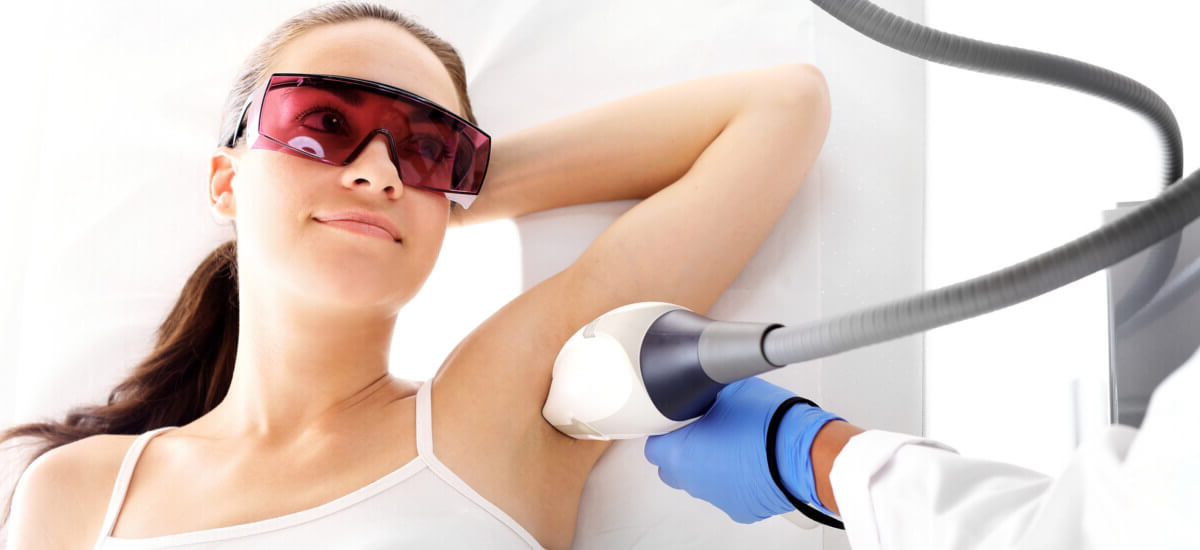
Choosing a hair removal method involves more than considering convenience and long-term results. Skin safety is equally important, particularly when using technology that delivers concentrated energy beneath the skin's surface. Many people considering modern hair reduction procedures want to understand how the treatment works, whether it can affect their skin, and what precautions are necessary.
Laser Hair Removal in Dubai is generally considered safe when appropriate equipment, suitable settings, and proper treatment techniques are used. The procedure targets pigment inside hair follicles using controlled light energy to reduce unwanted hair growth over time. However, individual skin characteristics and treatment conditions can influence the experience.
Understanding potential side effects, safety measures, and preparation requirements can help individuals make informed decisions.
How Safe Is Laser Hair Removal in Dubai?
Laser hair removal is a widely used cosmetic procedure designed to reduce unwanted hair by targeting the follicles responsible for hair growth. Modern systems offer different wavelengths and settings to accommodate various skin tones and hair characteristics.
The safety of the procedure depends on selecting the appropriate technology and adjusting the energy according to the individual's skin pigmentation and treatment area.
When performed correctly, the laser primarily targets the hair follicle while limiting unnecessary exposure to surrounding skin. Protective eyewear, cooling systems, and appropriate treatment techniques further support skin protection.
Although the procedure is generally well tolerated, no cosmetic treatment is completely free from risk.
Common Side Effects After Treatment
Some temporary skin reactions are possible after laser hair reduction. These effects usually settle without requiring extensive intervention.
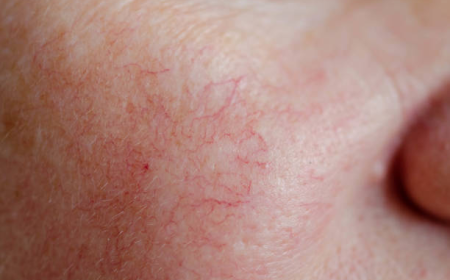
Temporary Redness
The treated area may appear slightly red immediately after the procedure. This reaction occurs because the skin responds to the heat delivered around the follicles.
Mild Swelling
Small areas of swelling around individual hair follicles may develop. This is commonly temporary and generally improves within a short period.
Skin Sensitivity
The treated area may feel warm, sensitive, or slightly uncomfortable after the session. Gentle skincare and avoiding excessive heat can help support recovery.
Temporary Pigmentation Changes
Some individuals may notice lighter or darker patches following treatment. These changes are more likely when the skin has recently been exposed to sunlight or when unsuitable laser settings are used.
What Are the Less Common Risks?
Although serious complications are uncommon with appropriate treatment, certain unwanted reactions can occur.
Burns and blisters may develop if excessive energy is delivered or the equipment is not used correctly. Scarring is rare but possible, particularly when significant skin injury occurs.
Changes in skin pigmentation may also last longer in some individuals. People with darker skin tones or recent tanning may require particular care when selecting laser technology and treatment settings.
In rare cases, laser exposure can cause eye injury if appropriate protective eyewear is not used.
Understanding these possibilities helps explain why careful preparation and proper treatment assessment are essential.
Does Laser Hair Removal Damage Skin?
Laser hair removal is designed to target hair follicles rather than remove or damage the entire skin surface.
The light energy is absorbed by melanin within the hair and converted into heat. This heat affects the follicle, helping reduce its ability to produce new hair.
However, the surrounding skin also contains melanin. If the wrong wavelength or excessive energy is used, unwanted heating can occur.
This is why treatment settings must be selected according to skin tone, hair characteristics, and the specific laser system.
Is Laser Hair Removal Safe for Dark Skin?
People with darker skin tones can often undergo laser hair reduction, but selecting appropriate technology is particularly important.
Darker skin contains more melanin in the epidermis, which can absorb laser energy and increase the risk of burns or pigmentation changes if unsuitable settings are used.
Nd laser technology, which commonly uses a 1064 nm wavelength, is often considered for darker skin because it penetrates more deeply and is less strongly absorbed by epidermal melanin than shorter wavelengths.
A proper assessment of skin tone, tanning history, and hair characteristics helps determine a suitable treatment approach.
Can Sensitive Skin Undergo Laser Treatment?
Sensitive skin does not automatically prevent someone from receiving laser hair reduction. However, the possibility of temporary irritation should be considered.
Individuals who frequently experience redness, dryness, or reactions to skincare products may need additional precautions.
The treatment approach can be adjusted according to skin sensitivity. Cooling methods, suitable energy settings, and careful aftercare may help improve comfort.
If there is active inflammation, infection, or an unexplained skin reaction, treatment may need to be postponed until the area has recovered.
Important Safety Precautions Before Treatment
Preparing the skin properly can help reduce unnecessary irritation and support a safer experience.
Avoid tanning and excessive sun exposure before your appointment. Recently tanned skin can be more sensitive to laser energy and may have a higher risk of unwanted pigmentation changes.
Avoid waxing, threading, and plucking because these methods remove the hair follicle's target. Shaving is generally recommended before treatment.
Inform the treating professional about medications, previous laser treatments, skin conditions, and any history of unusual skin reactions. Certain medications can increase sensitivity to light and may affect treatment suitability.
The treatment area should also be free from active infections, open wounds, and significant irritation.
How to Protect Your Skin After Laser Hair Removal
Aftercare is an important part of maintaining skin comfort. Mild redness or warmth may occur, so avoid unnecessary friction and use gentle skincare products.
Excessive heat from hot showers, saunas, or intense physical activity may increase discomfort immediately after treatment. Follow the individual aftercare instructions provided for the treated area.
Sun protection is particularly important. Use suitable broad-spectrum sunscreen on exposed areas and avoid direct sunlight while the skin is recovering.
Do not scratch, scrub, or aggressively exfoliate the treated skin. If severe pain, blistering, or unusual swelling develops, seek medical advice rather than attempting to manage the reaction with home remedies.
Who Should Be Cautious About Laser Hair Removal?
Some individuals may require additional assessment before treatment. These include people with active skin infections, recent sunburn, certain skin disorders, or a history of abnormal scarring.
Medications that increase photosensitivity can also affect treatment suitability. Pregnancy, hormonal conditions, and particular medical circumstances may require individual advice before proceeding.
People with very light, grey, or white hair should also understand that conventional laser systems may provide limited results because these hair colours contain little melanin.
An appropriate evaluation helps identify possible concerns and determine whether another hair reduction method may be more suitable.
How to Choose the Right Laser Technology
Different laser systems are designed for different skin and hair characteristics. Alexandrite, diode, and Nd technologies use different wavelengths and have individual advantages.
The best option depends on the contrast between skin pigmentation and hair colour, the treatment area, and individual sensitivity.
A suitable treatment plan should prioritise skin safety rather than simply using higher energy settings. Gradual, carefully adjusted treatment can be more appropriate than aggressive energy delivery.
Final Thoughts
Safety should always be a priority when considering any cosmetic hair reduction procedure. Understanding possible side effects, choosing appropriate laser technology, and following preparation and aftercare instructions can help reduce unnecessary risks. Individual suitability depends on skin tone, hair characteristics, medical history, and treatment conditions. If you are exploring Laser Hair Removal in Dubai, TAJMEELS CLINIC provides an opportunity to learn about suitable approaches for reducing unwanted hair while prioritising skin comfort and care.
For More Details, Contact Us Through:
WhatsApp: +971 56 203 8751
Phone: +971 4 373 9000
Social Media:

Provide health services





Comments (0)