

Is Station Rental Right for Your Business?
Learn how station rentals can support your business, reduce equipment costs, and provide flexible solutions for daily operations and special projects.

Running a business often means finding practical ways to manage daily work without spending more than necessary. Some businesses need extra equipment or facilities for a short period, while others need additional support during busy seasons or special projects. Buying everything may not always be the best choice, especially when certain items are only needed occasionally. Renting can be a useful option in these situations.
Station rental is one option businesses can consider when they need temporary facilities or equipment. It can help companies manage their work without making a large upfront investment. However, renting is not the right choice for every business. Understanding how it works, what it offers, and when it makes sense can help business owners make a better decision.
What Is Station Rental?
Station rental refers to renting a specific station, facility, or related setup for an agreed period. The exact meaning depends on the type of business and the equipment or service being rented. Some businesses may need temporary workstations, while others may require portable facilities to support workers, customers, or visitors.
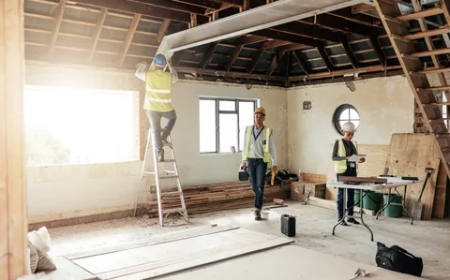
For example, construction companies may need additional facilities at temporary job sites. Event organizers might require extra stations to handle large crowds. Businesses managing outdoor activities may also need temporary setups to keep their operations running smoothly.
Instead of purchasing equipment that may not be needed later, renting allows businesses to use what they need for a set period.
When Should a Business Consider Station Rental?
The need for rental services usually depends on the type of work a business handles. Companies with changing workloads may benefit more from renting than businesses with regular and predictable needs.
Here are some situations where renting may be worth considering:
-
Temporary projects: Businesses working on short-term projects may not need permanent facilities.
-
Seasonal demand: Some companies experience higher customer demand during certain months.
-
Outdoor operations: Businesses working away from their main location may need temporary facilities.
-
Special events: Organizers may require additional facilities for guests, staff, and vendors.
-
Growing operations: Companies expanding their work may need extra support before making permanent investments.
For businesses operating in California, finding reliable Station Rental in Moorpark CA can help address temporary operational needs without requiring a long-term purchase. The right rental arrangement depends on the type of station, rental period, available space, and number of people who will use it.
What Are the Main Benefits of Station Rental?
Renting can offer several benefits, particularly for businesses that do not need permanent equipment or facilities. However, the value depends on how often the rented station will be used.
Lower Initial Costs
Buying equipment or setting up permanent facilities can require a large amount of money. Renting usually involves a smaller initial payment, allowing businesses to keep more money available for other expenses.
This can be helpful for startups and small companies that need to manage their budgets carefully. Instead of spending a large amount on something they may rarely use, they can pay for the period they actually need it.
More Flexibility
Business needs can change over time. A company may need extra facilities for one month but have no use for them the following month. Rental services make it easier to adjust according to changing requirements.
This flexibility can be especially useful for contractors, event planners, and businesses handling temporary work.
Less Long-Term Responsibility
Owning equipment comes with responsibilities such as storage, maintenance, repairs, and eventual replacement. Rental arrangements may reduce some of these responsibilities, depending on the provider's agreement.
Before signing a rental contract, businesses should check which services are included and which responsibilities remain with the renter.
Better Use of Available Space
Permanent equipment can take up valuable space even when it is not being used. Renting allows businesses to arrange temporary facilities when required and avoid keeping unnecessary items on their property.
What Should You Check Before Renting a Station?
Choosing a rental service requires more than comparing prices. Businesses should understand their actual needs and check whether the rental arrangement can meet them.
Consider the following points before making a decision.
Understand Your Requirements
Start by identifying why you need the station. Think about how many people will use it, where it will be placed, and how long you expect to need it.
A clear understanding of your requirements makes it easier to select the right rental option.
Compare Rental Costs
Ask for a clear breakdown of the total rental cost. The price may depend on the rental period, equipment type, delivery, setup, pickup, and additional services.
A low starting price does not always mean the rental is affordable. Check for extra charges before agreeing to anything.
Check the Condition of the Equipment
Always ask about the condition of the rented station. If possible, inspect it before accepting delivery. Check for visible damage, cleanliness, working parts, and general safety.
Well-maintained equipment can help prevent unnecessary delays during business operations.
Review the Rental Agreement
Read the contract carefully before signing. Pay attention to payment terms, cancellation rules, damage responsibilities, rental extensions, and maintenance arrangements.
If anything is unclear, ask the provider to explain it. Having clear terms can prevent disagreements later.
Is Station Rental More Affordable Than Buying?
The answer depends on how frequently a business needs the equipment and how long it plans to use it.
Buying may make more financial sense when a company requires the same equipment throughout the year. Although the initial cost is higher, ownership may become more economical over time.
Renting may be a better option when the need is temporary or unpredictable. It also helps businesses avoid spending money on equipment that could remain unused for long periods.
For example, a contractor working on a three-month project may find renting more practical than purchasing facilities for a short period. However, a company that operates from the same location every day should compare the long-term costs of renting and buying.
The best decision comes from comparing the total cost of ownership with the complete rental expense.
Why Choosing a Reliable Rental Provider Matters
The quality of a rental experience depends greatly on the provider. A dependable company should offer clear pricing, suitable rental options, and helpful customer support. Businesses should also look for providers that explain their rental terms instead of leaving customers unsure about important details.
Its In The Can is one company businesses can consider when looking for rental solutions in the area. Its focus on rental services makes it a relevant option for customers who need practical support for temporary requirements. Comparing its available services, rental terms, and customer support can help businesses decide whether the company meets their needs.
Which Businesses Can Benefit From Station Rental?
Station rental can be useful across different industries, although the exact requirements may vary.
Construction Companies: Temporary work locations may require additional facilities to support workers and daily activities.
Event Management Businesses: Outdoor events, festivals, and public gatherings may need extra facilities to handle visitors comfortably.
Small Businesses: Companies with limited budgets can use rental services instead of investing in facilities they do not need permanently.
Contractors: Professionals handling short-term assignments may find renting more practical than transporting or purchasing additional equipment.
Seasonal Businesses: Companies that experience changes in demand can arrange extra facilities during their busiest periods.
Before renting, each business should consider its location, available space, expected usage, and operational needs.
Common Mistakes to Avoid When Renting
Even a useful rental service can create problems if the arrangement is not planned properly. Some common mistakes include choosing a station without checking its size, ignoring additional charges, and failing to understand the rental period.
Another mistake is booking too late. During busy seasons or large events, rental availability may become limited. Planning ahead gives businesses more time to compare options and arrange delivery.
Businesses should also avoid choosing a provider based only on price. Equipment condition, service quality, rental terms, and customer support are equally important when making a decision.
Final Thoughts
Station rental can be a practical choice for businesses that need temporary facilities or additional equipment without making a permanent investment. It offers flexibility, helps control initial expenses, and allows companies to adjust their resources according to changing needs.
However, renting is not automatically the cheapest option. Businesses should compare rental and purchase costs, understand their requirements, and review the agreement before making a decision. Choosing a reliable provider and planning ahead can make the rental process easier and help businesses manage their operations more effectively.

Hi, I’m Freya Parker, an automotive expert focused on helping car owners make smarter decisions when selling their vehicles. I specialise in breaking down the car-selling process in a simple, practical way from understanding your car’s real value to reading market trends and spotting the right time to sell. My goal is to give you clear, honest guidance so you can confidently get the best possible price for your car without confusion or stress. Whether you’re selling for the first time or just want a better deal, I’m here to make the process straightforward, transparent, and rewarding








Comments (0)