

Hair Transplant in Dubai: Safety and Risk Factors
Hair transplant safety in Dubai: common side effects, recognised complications, patient risk factors, and the clinic standards that reduce them.

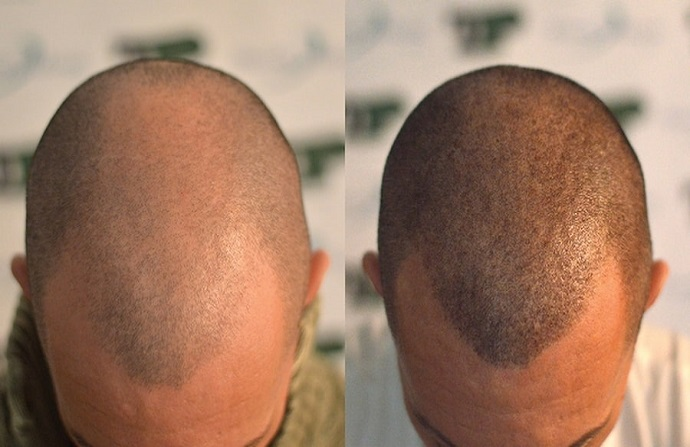
Every surgical procedure carries risk, and hair restoration is no exception. What distinguishes a responsible clinic is not the absence of risk but the honesty with which it is discussed and the systems in place to reduce it. Patients researching a hair transplant in Dubai deserve a clear picture of what can go wrong, how often it does, and which factors are within their control. This article covers the safety profile of surgical hair restoration, the complications clinicians actually see, and the questions that reveal whether a clinic takes safety seriously.
The General Safety Profile
Surgical hair restoration is an elective, superficial procedure performed under local anesthesia. It does not involve major body cavities, general anesthesia in most cases, or prolonged hospital stays. For appropriately selected patients in properly equipped facilities, the procedure has a generally favourable safety record.
That said, "generally safe" is not "risk-free." Complications occur, and their likelihood depends heavily on operator skill, facility standards, patient selection, and aftercare. A hair transplant in Dubai performed in a well-regulated clinic on a suitable candidate carries modest risk; the same procedure performed carelessly carries considerably more.
Hair Transplant in Dubai: Common Side Effects
Many post-operative experiences are expected effects rather than complications. Patients should anticipate:
-
Swelling of the forehead and around the eyes in the first few days
-
Tenderness and tightness in the donor area
-
Small scabs around graft sites
-
Itching as healing progresses
-
Temporary numbness or altered sensation in treated areas
-
Shedding of transplanted hairs in the weeks after surgery
These are typically self-limiting and resolve as healing advances. Understanding them in advance prevents patients from mistaking normal recovery for a problem.
Hair Transplant in Dubai: Recognised Complications
Beyond expected effects, several complications are documented in clinical practice:
Infection. Uncommon but possible at donor or recipient sites. Sterile technique and proper aftercare reduce risk; persistent redness, warmth, fever, or discharge should be reported promptly.
Poor graft survival. When grafts are mishandled, stored too long, or placed into poorly prepared sites, some fail to grow. This produces patchy density rather than the planned result.
Scarring. FUE typically leaves small dot-like marks that fade; FUT leaves a linear scar. Hypertrophic or keloid scarring can occur in predisposed individuals.
Unnatural appearance. Poorly designed hairlines, incorrect graft angulation, or over-dense placement can produce a "pluggy" or artificial look that is difficult to revise.
Folliculitis. Inflammation of the follicles, usually temporary and manageable.
Numbness or altered sensation. Often temporary, occasionally persistent.
Hair Transplant in Dubai: Patient Factors That Affect Risk
Some risk is inherent to the patient rather than the clinic. Factors clinicians assess include:
-
Smoking, which impairs healing and graft survival
-
Uncontrolled diabetes or other systemic conditions
-
Bleeding disorders or use of anticoagulant medication
-
Active scalp infection or inflammatory conditions
-
History of keloid scarring
-
Unrealistic expectations, which create dissatisfaction even when surgery is technically successful
Addressing modifiable factors before surgery — particularly smoking — meaningfully improves the odds of an uncomplicated course.
Hair Transplant in Dubai: Facility and Team Standards
Much of what protects patients is invisible: sterilisation protocols, air quality, instrument handling, staff training, and emergency preparedness. These are the elements that separate a clinic from a procedure room.
Patients can and should ask about them. A clinic that can describe its sterilisation process, its protocol for adverse reactions, and the qualifications of everyone in the room is demonstrating that safety is a system rather than a slogan. For any hair transplant in Dubai, this matters more than the appearance of the waiting area.
Reducing Risk Through Aftercare
Safety does not end when the patient leaves the clinic. Following washing instructions, avoiding strenuous activity and swimming during the early period, taking prescribed medication, and attending follow-up appointments all reduce complication risk.
Equally important is knowing when to call. Clinics should provide clear guidance on which symptoms are normal and which require prompt assessment. Patients who feel able to contact their clinic promptly tend to catch problems early.
Safety as a Process at Tajmeels Clinic in Dubai
At Tajmeels Clinic in Dubai, safety discussions begin at consultation and continue through follow-up. Patients are informed of expected effects and warning signs, assessed for individual risk factors, and given clear contact routes for post-operative concerns — because managing risk is an ongoing process rather than a single pre-surgical checklist.
Informed, Not Alarmed
Understanding the risks of a hair transplant in Dubai is not a reason to avoid surgery; it is a reason to choose carefully and prepare properly. The procedure is well tolerated for most suitable patients, and serious complications are uncommon in competent hands. The patients who do best are those who knew what to expect, disclosed their medical history honestly, followed aftercare guidance, and selected a clinic that treats safety as a standard rather than a selling point
Ready to Begin Your Transformation?
Get in touch with us today to explore exclusive offers and find the right treatment for you!
WhatsApp: +971 56 203 8751
Phone: +971 4 373 9000
Social Media:








Comments (0)