

Should Your Next Corporate Event Be Built Around Event Video Production?

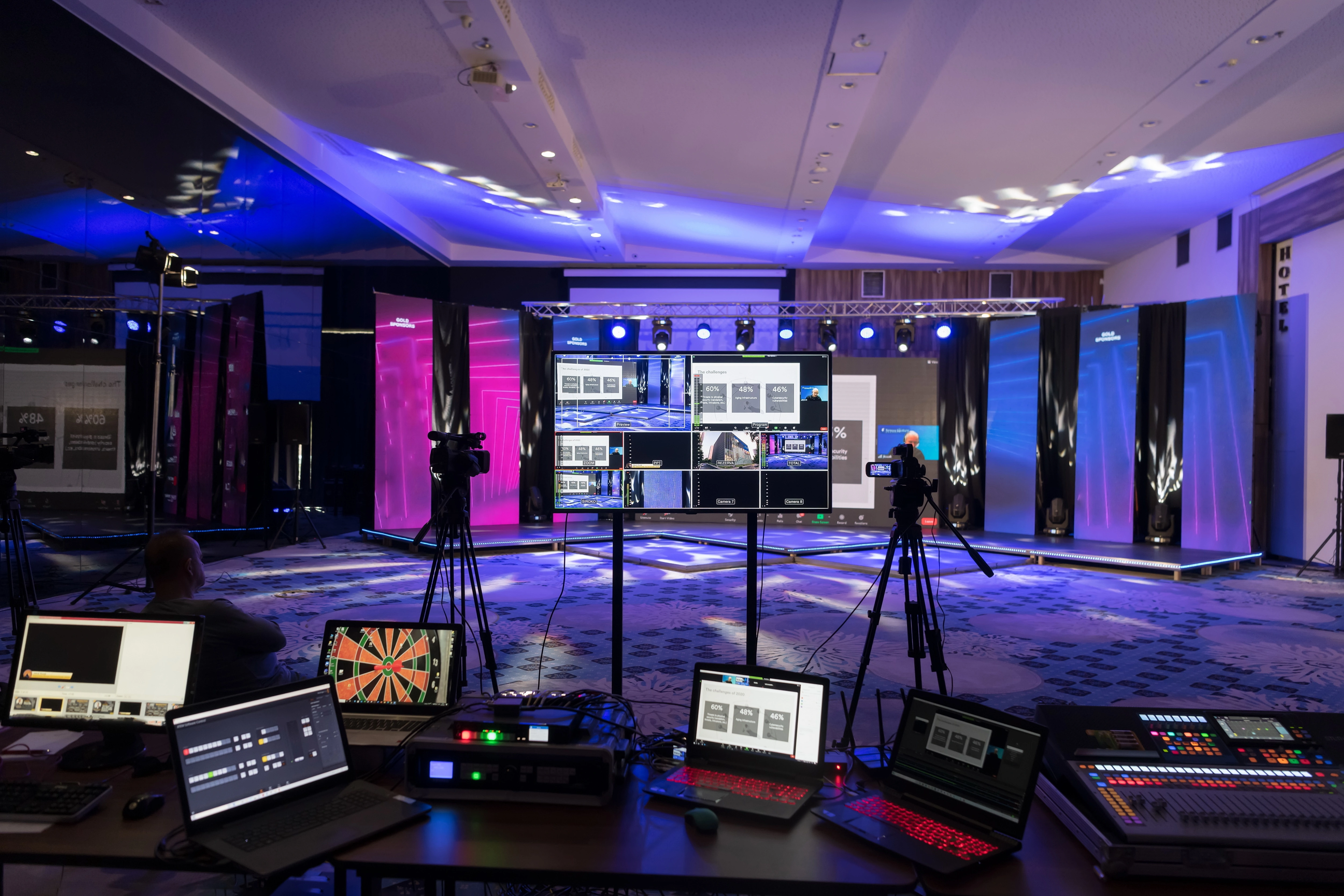
Most B2B teams book a videographer after the agenda is locked, then find the footage feels thin. Planning event video production alongside the event itself changes what gets captured and how far it travels. This guide explains when to involve a crew, what to ask for, and how the content supports your social media marketing in Arlington, VA.
Why Planning Early Changes the Footage
When a production team joins during planning, they can walk the venue, study the speaker schedule and mark the moments worth capturing. Without that input, crews default to wide shots of the stage and a few crowd angles, which give your team little to work with later. A shot list built around your goals tells you early whether you need a second camera, a direct audio feed from the AV desk, or a quiet corner for short interviews. Budget also becomes clearer. Once the scope is defined, you can compare quotes on equal terms and avoid paying for coverage you will not use, such as a second camera for a session that needs only one.
What One Event Can Produce
A single day of coverage can feed several channels when the plan is set beforehand:
-
Short speaker clips for LinkedIn posts the week after the event
-
Attendee comments to use in your next registration campaign
-
A highlight recap for sponsors, partners, and members
-
Quotes and B-roll for sales decks and recruiting pages
-
Vertical edits sized for your social media marketing Arlington, VA channels
Deciding on these outputs before the event keeps the shoot focused and the edit list short. It also helps your social team prepare captions, tags, and posting dates in advance, so the first clips go live while attendees are still talking about the event.
How to Prepare Your Team
Good footage depends on a short, clear handoff from your side.
Define the Purpose
Decide whether the video is for lead generation, member retention, recruiting or sponsor reporting. The answer drives what gets filmed and how long each clip should run.
Share the Run of Show
Send the agenda, speaker list, and venue details as early as you can. A draft schedule lets the crew plan camera positions, power, and lighting before load-in, even if some sessions change later. Include contact details for the AV lead and venue manager, since the crew will need them on the day.
Name One Decision Maker
One person who approves clips keeps turnaround short. Review by committee is the most common reason recap videos reach the audience late.
Where Event Footage Fits in Your Content Calendar
Treat event video production as a content source rather than a one-day expense. Schedule the recap, speaker clips and thank-you posts before the event, and give each one an owner. A post-event plan keeps the event visible for weeks and gives your social team material they would otherwise have to create from scratch. Teams in the DMV can see how a local crew such as Echo Prime Media covers live events and shapes the footage for social channels. Also decide how long each asset stays in rotation. A recap can be pinned for a month, while speaker clips work well as a weekly series that points back to your event page or next registration.
FAQs
How far ahead should we book event video production?
As soon as the date and venue are confirmed. Earlier booking gives the crew time to plan, and multi-room or multi-day events usually need more lead time than a single keynote.
What footage should we request beyond the main stage?
Ask for attendee interviews, sponsor booths, networking moments, and room setup shots. These make a recap video more varied and give your social team more options.
Can event footage support social media after the event?
Yes. Short clips, quotes, and photos can be scheduled across several weeks, which keeps the event in front of your audience long after it ends.









Comments (0)