

What Areas Can Ultherapy Treatment in Dubai Target?
Discover which facial and neck areas can benefit from Ultherapy Treatment in Dubai, including the cheeks, jawline, brow and under-chin region.
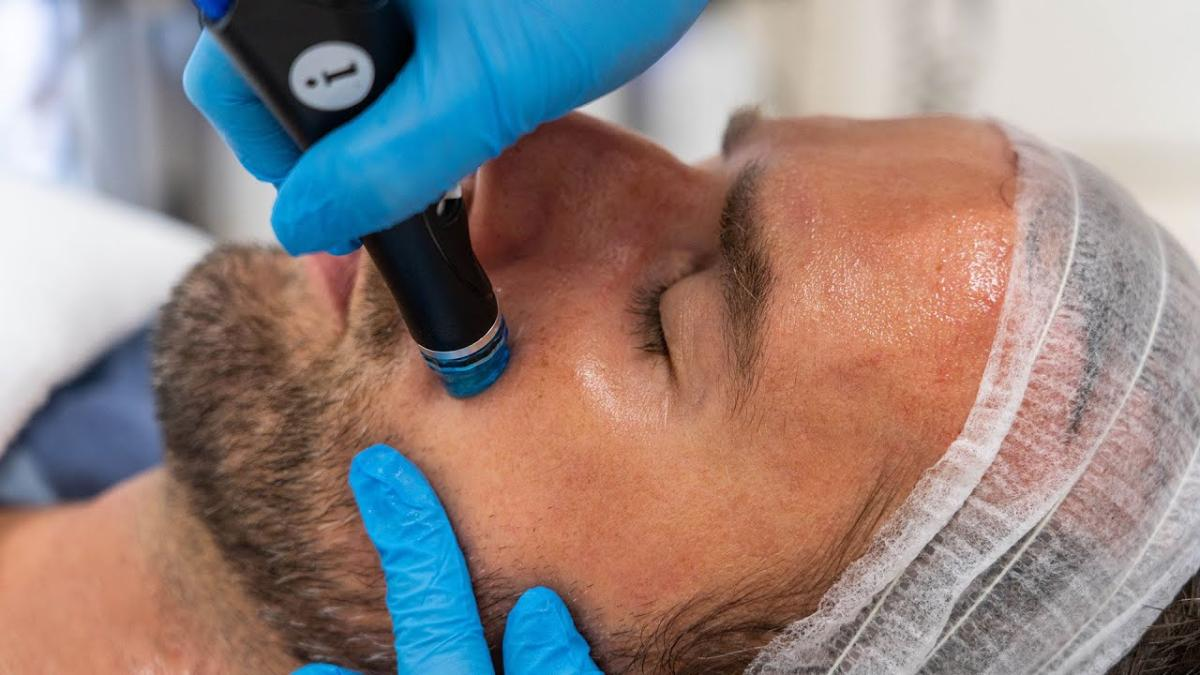
Skin ageing does not affect every part of the face in the same way. Some people first notice changes around their cheeks, while others experience a softer jawline, loose neck skin or a less elevated brow appearance. These changes are often associated with declining collagen levels and reduced skin elasticity.
Ultherapy Treatment in Dubai uses focused ultrasound technology to address selected areas affected by mild to moderate skin laxity. The treatment works beneath the skin's surface to stimulate collagen production, helping improve firmness gradually. Understanding the areas that can be targeted makes it easier to identify whether this procedure matches individual skin concerns.
Cheeks and Mid-Face Area
The cheeks contribute to facial balance and give the face its natural contours. As collagen production decreases, the supporting tissues may become less firm, causing the cheek area to appear lower or less defined.
Ultherapy can target suitable tissue layers in the mid-face to encourage collagen regeneration. This may help improve the appearance of mild skin laxity and support a firmer-looking cheek area.
The treatment does not replace procedures designed to restore significant lost facial volume. Its main focus is supporting tissue firmness rather than adding fullness.
Jawline and Lower Facial Contours
The jawline can gradually lose its sharp appearance as the skin and underlying tissues change with age. Mild sagging around the lower cheeks may make facial contours appear softer.
Focused ultrasound energy may help improve skin firmness around suitable jawline areas. As collagen develops, the lower face may appear more supported and defined.
The final outcome depends on individual facial anatomy, skin elasticity and the degree of existing laxity.
Under-Chin Area
Loose skin beneath the chin can affect the appearance of the lower face and neckline. In selected individuals, ultrasound-based treatment may help address mild skin laxity in this region.
It is important to distinguish loose skin from excess fat. Ultherapy is primarily a skin-tightening treatment and is not designed as a fat-removal procedure.
The treatment area and expected improvement should therefore be determined according to the underlying concern.
Neck and Neckline
The neck is often exposed to environmental factors and natural ageing changes. Reduced collagen can contribute to fine lines, loose skin and less defined contours.
Ultherapy may be used on appropriate neck areas to stimulate collagen production beneath the surface. This can gradually improve the appearance of mild skin looseness and support a firmer neckline.
The results depend on skin condition, tissue thickness and the amount of existing laxity.
Brow and Forehead Region
The upper face can also show signs of ageing as the skin loses elasticity. A slight downward shift in the brow area may create a tired or heavy appearance.
Selected brow regions may be treated with focused ultrasound energy to support a subtle lifting effect. The goal is to improve the appearance of mild brow descent while maintaining natural facial expressions.
Treatment suitability depends on brow position, surrounding anatomy and individual expectations.
Areas Around the Eyes
The skin around the eyes is delicate and requires particular care when considering aesthetic procedures. Some selected areas near the brow may be appropriate for ultrasound-based lifting, depending on the treatment system and individual anatomy.
However, not every under-eye concern can be addressed with Ultherapy. Dark circles, deep hollows, pigmentation and prominent under-eye bags may require different approaches.
A proper assessment helps distinguish skin laxity from other concerns and identifies appropriate treatment options.
Can Multiple Areas Be Treated in One Session?
Some individuals have concerns involving more than one facial area. Depending on suitability, a treatment plan may include selected regions such as the jawline, cheeks and neck.
The number of areas addressed depends on the individual's skin condition, treatment goals and recommended energy delivery. Treating every possible area is not necessary to achieve balanced improvements.
A personalised approach helps prioritise the areas where collagen stimulation may provide the most meaningful benefit.
How Are Treatment Areas Selected?
The selection process involves examining skin elasticity, facial structure and the location of visible laxity. The amount of loose skin and the condition of underlying tissues are also important considerations.
Ultrasound imaging can help identify tissue depths during the procedure, allowing energy delivery to be planned more accurately.
Treatment should only be performed on suitable areas using an appropriate technique. This is particularly important around delicate facial structures.
What Results Can Different Areas Expect?
Results vary according to the area treated and the individual's collagen response. Improvements generally develop gradually over approximately two to three months, although some people may notice changes earlier.
The cheeks may appear firmer, the jawline may look more defined and the neck may show improved skin tightness. Brow treatment may provide a subtle lifting effect in suitable cases.
Ultherapy cannot guarantee identical results across all areas, and it does not replace surgical correction for advanced skin sagging.
Final Thoughts
Understanding which areas can be treated is an important step when considering non-surgical skin rejuvenation. Ultherapy Treatment in Dubai can target suitable regions such as the cheeks, jawline, neck and brow to support collagen production and improve mild skin laxity. The most appropriate treatment areas depend on facial anatomy, skin condition and individual goals. TAJMEELS CLINIC can be considered by individuals interested in exploring personalised ultrasound-based skin-tightening options for a naturally refreshed appearance.
For More Details, Contact Us Through:
WhatsApp: +971 56 203 8751
Phone: +971 4 373 9000
Social Media:
Provide health services







Comments (0)