

How Master Key Systems Can Simplify Access for New Braunfels, TX Businesses
Streamline business entry with master key systems in New Braunfels, TX. Learn how tiered access, rekeying, and key audits protect staff and assets.

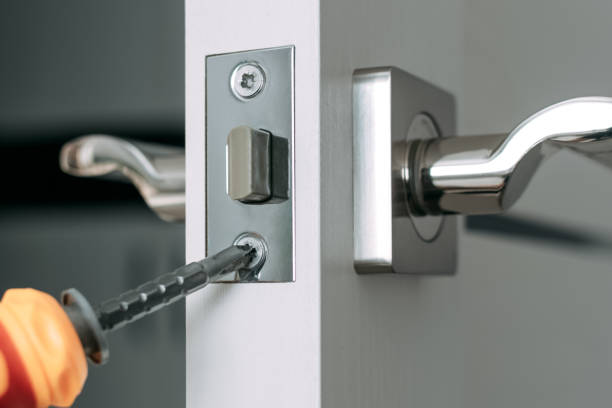
A growing business may have one front door, several offices, storage rooms, and staff who need different levels of entry. Integrity Key Lock & Safe of Texas helps frame the issue around controlled access rather than simply handing out more copies. A well-planned master key arrangement lets authorized people enter the rooms they need while keeping sensitive areas limited. For businesses comparing master key systems in New Braunfels, TX, the main question is how to balance convenience, accountability, and future changes.
Key Takeaways
-
A master key system creates different access levels for different roles.
-
Change keys can limit access to one room, suite, or work area.
-
A written key record helps a business respond to lost keys and staff changes.
-
Existing door hardware may need inspection before new cylinders are installed.
How Master Key Systems in New Braunfels, TX Can Simplify Entry
A master key system is a planned group of locks and keys. Each lock can have its own individual key, often called a change key. A master key can open several approved locks, while a sub-master key may open only the doors within one department, floor, or building.
Consider a business with a reception area, private offices, a supply room, and a records room. A receptionist may need the front door and a work area. A manager may need those doors plus offices. A facilities worker may need mechanical spaces but not confidential files. The lock hierarchy can support those differences without giving every person the same key.
keying service in New Braunfels, TX improves daily movement because authorized workers do not need a large ring of separate keys. It also makes access easier to review. If a key is lost, the business can identify which doors it affects instead of guessing which locks may need attention.
A master key does not mean that one person should open every door. The result depends on the way the lock cylinders are pinned and the access plan behind them. Clear permissions matter as much as the hardware.
What to Check Before Installation
The building layout comes first. A business in New Braunfels may operate from a stand-alone property, a retail strip, an office suite, or a mixed-use building. Each setting can have different doors, tenants, shared areas, and lease responsibilities. For commercial access planning in New Braunfels, the key question is which doors should be grouped together and which should stay independent.
A locksmith should inspect the existing lock cylinders, door closers, frames, and other door hardware. Older locks may not accept the same key system as newer ones. Some doors may need repair before they can provide reliable security. Outdoor doors also deserve attention because dirt, moisture, and repeated use can affect operation over time.
The business should write down who needs access now and who may need it later. This includes owners, managers, cleaning crews, maintenance workers, vendors, and tenants. It is also useful to note whether a new office, storage room, or leased suite may be added in the future.
A short planning checklist can prevent expensive confusion later:
-
List every exterior door, interior room, and shared area.
-
Mark spaces that hold cash, records, tools, or private information.
-
Match each role with the fewest doors needed for daily work.
-
Check whether existing cylinders and hardware can be reused.
-
Ask how new doors will be added to the system later.
The business should ask who will keep the key schedule and how changes will be recorded. A system is easier to manage when the door names, key numbers, and assigned users are documented in a secure record.
How the System Handles Changes Over Time
Access needs change when an employee leaves, a tenant moves out, a department changes rooms, or a key goes missing. Rekeying can change the internal pins in a lock cylinder so an old key no longer works. This may be more practical than replacing every lock, although the right choice depends on the hardware and the scope of the change.
For business locksmith support in New Braunfels, a useful maintenance plan should explain how the business will handle these events before they happen. A lost key should not be ignored simply because the person who lost it cannot remember every door it opened.
-
Record who receives each master, sub-master, and change key.
-
Collect keys during employee and tenant turnover.
-
Review access permissions after a move, promotion, or remodel.
-
Rekey affected doors promptly when a key cannot be recovered.
A periodic key audit can reveal problems such as unreturned copies, unlabeled keys, or workers who have more access than their role requires. The audit does not need to be complicated. A current door schedule and a controlled key register are often enough to support better decisions.
How Access Levels Fit Different Roles
Before a locksmith changes a lock, the business should map people to rooms, which is a basic step in planning any master key system. The goal is not to create the greatest number of key levels. It is to create only the levels that make work easier while keeping restricted areas separate.
-
A change key opens one assigned lock or room.
-
A master key opens several approved locks within a defined group.
-
A sub-master key can serve a department, floor, or property section.
-
A separate restricted key can protect records, medication, cash, or equipment.
This structure works well for offices, retail spaces, warehouses, apartment management offices, and mixed-use properties. A building owner may keep a property-level key, while a tenant receives keys only for its suite. A store manager may access inventory areas, but temporary staff may receive only a front-door key.
The plan should also account for emergency access. Emergency exits and panic hardware must remain usable as designed. A master key arrangement should not interfere with safe exit paths or lead workers to prop open doors that should remain secured.
Common Mistakes That Create Trouble
The first mistake is giving out a master key when a change key would meet the need. A master key may provide access to private offices, storage areas, or other rooms that the user never needs. Limiting key levels from the start reduces that risk.
Another mistake is overlooking the condition of the doors. A new key system cannot correct a loose strike plate, worn latch, misaligned door, or failing closer. Those issues can create lockouts and may encourage staff to leave doors unsecured.
Businesses also sometimes rely on memory instead of written records. When several managers issue keys, no one may know how many copies exist. A simple register should identify the key type, the doors it opens, the person holding it, and the date it was issued.
Finally, a system should not be designed only for today. If the business expects a remodel, a new tenant, or additional offices, the plan should leave room for future cylinders. Adding doors without a clear keying plan can create overlapping access and make later changes harder to track.
Choosing a Locksmith and Reviewing the Plan
The business should begin with a clear description of its property and access concerns. A locksmith can then review the door list, identify incompatible hardware, and explain whether rekeying, replacement, or a combination of both makes sense. The business should not need to accept a one-size-fits-all arrangement.
Before work begins, they should ask how the key hierarchy will be shown, how restricted areas will be handled, and what happens if a master key is lost. They should also ask whether future additions can use the same system and how key blanks will be controlled. If the property has several tenants, the plan should clearly separate private suites from shared entrances and service areas.
A written proposal should describe the locks or cylinders being changed, the number of keys by level, the handling of existing keys, and any needed door repairs. It should also explain how emergency exits will remain available. Clear details make it easier for the business owner, property manager, and staff to follow the same access policy.
Frequently Asked Questions
Can a Master Key Open Every Door?
Not necessarily. A master key opens only the locks designed for that key level. A well-planned system can exclude private offices, records rooms, tenant suites, or other restricted areas.
Is a Master Key System Better Than Electronic Access?
Neither option fits every property. Physical keys can work well where doors are simple and users are stable. Electronic access may offer faster permission changes and activity records. Some businesses use both, depending on the door and the level of control needed.
Can Existing Locks Be Used With a New System?
Sometimes. Compatible lock cylinders may be rekeyed, but worn or mismatched hardware may need replacement. An inspection should come before the business promises to reuse every existing lock.
What Happens If a Master Key Is Lost?
The business should identify the doors affected and decide whether the related cylinders need rekeying. A key register helps narrow the response and prevents unnecessary changes to unrelated doors.
How Many Access Levels Are Needed?
The number depends on the property, job roles, tenants, and restricted areas. Too few levels may give people excess access, while too many can make the system difficult to manage. The simplest plan that matches real work is usually easier to maintain.
Can These Systems Work With Emergency Exits?
They can be planned around emergency exit hardware, but the exit function must remain available. A locksmith should inspect the door setup and make sure the keying plan does not block safe egress or encourage unsafe workarounds.
Making Access Easier to Manage
A master key system can reduce key clutter, support clear permissions, and make changes more orderly. Its value comes from careful planning, sound door hardware, and records that stay current. Businesses should review their rooms, roles, tenants, and future changes before selecting a system, then treat key control as an ongoing part of property management.
Plan the Next Step
Before changing locks, they should list each door, identify who needs access, and note any upcoming staff or tenant changes. A qualified locksmith can review that list, explain key levels, inspect existing hardware, and outline rekeying or replacement options. Request a written plan that covers restricted areas, emergency exits, key control, and future additions. That simple review helps the business choose a system that fits daily work without creating unnecessary copies or making later changes harder to manage over time.

Hi, I’m Freya Parker, an automotive expert focused on helping car owners make smarter decisions when selling their vehicles. I specialise in breaking down the car-selling process in a simple, practical way from understanding your car’s real value to reading market trends and spotting the right time to sell. My goal is to give you clear, honest guidance so you can confidently get the best possible price for your car without confusion or stress. Whether you’re selling for the first time or just want a better deal, I’m here to make the process straightforward, transparent, and rewarding






Comments (0)