

Choosing the Right Hair Parting for a Natural-Looking Hair System
Learn how to choose the right hair parting for a natural-looking hair system, including side, centre and freestyle partings, hair direction and density.
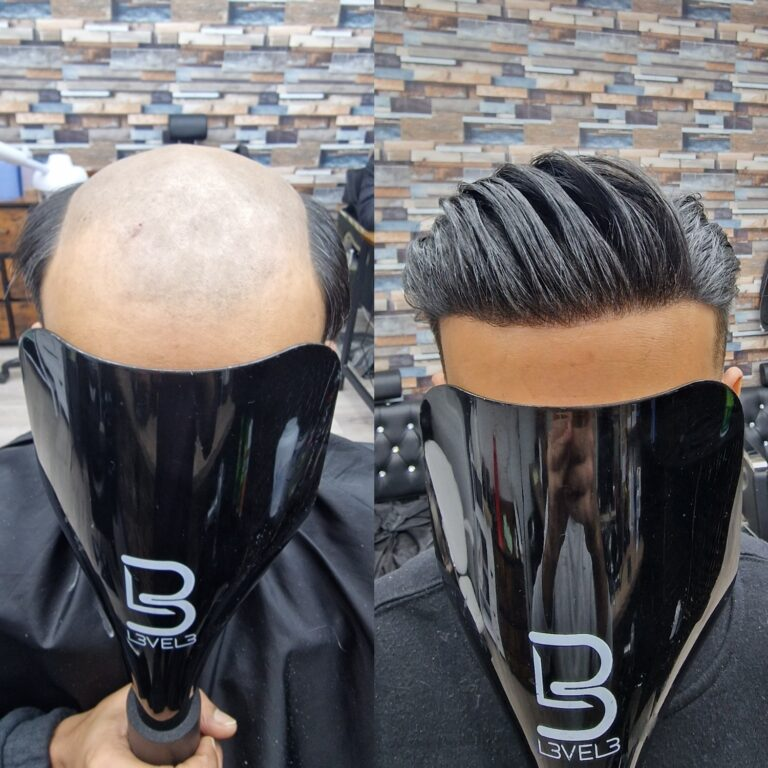
For men exploring non-surgical hair replacement options, https://www.londonhairreplacement.co.uk/ offers further information about available hair systems and services. Understanding how different styles and construction features work can make it easier to choose a parting that suits your appearance.
Why Hair Parting Matters in a Hair System
A hair parting is the area where the hair separates to create a particular direction or style. Although it may seem like a small detail, it has a noticeable effect on the overall hairstyle.
The right parting can help create natural volume, frame the face and make the hairline appear more balanced. It also affects how the hair moves when brushed, styled or exposed to wind.
With a hair system, the parting needs to work with the way the hair is attached to the base. If the hair direction does not support the chosen style, the hair may look unnatural or require constant adjustment.
This is why parting should be considered when selecting a system rather than treated as an afterthought.
1. The Classic Side Parting
The side parting is one of the most popular choices for men's hairstyles. It creates a neat appearance and can work well in both professional and casual settings.
In this style, the hair is separated slightly to the left or right of the centre. One side is usually brushed across, while the other follows the natural direction of the hair.
A side parting can be particularly suitable for men who prefer a tidy and traditional appearance. It can also help create structure around the forehead without requiring excessive styling.
The exact position of the parting matters. A deep side part may create a more noticeable contrast between the two sides, while a softer parting can produce a relaxed finish.
For a natural result, the hair should be ventilated in a direction that supports the chosen side. Trying to force the hair into an opposite direction may make it difficult to maintain the style.
2. The Centre Parting
A centre parting divides the hair into two sections from the middle of the head. It can create a balanced and symmetrical appearance, particularly when combined with medium-length hair.
This style may suit men who prefer a relaxed or slightly longer hairstyle. It can also frame the forehead and face without directing all the hair to one side.
However, a centre parting is not suitable for every hair system. The hair needs to be designed and positioned to fall naturally from the centre. If the ventilation pattern does not support this direction, the hair may separate unevenly.
Hair density is another important consideration. If the hair is too thin around the parting, the base may become more visible. If it is excessively dense, the style may look heavy or unnatural.
A professional can assess whether the system's construction and hair direction are suitable for a centre parting.
3. The Natural Freestyle Parting
A freestyle parting does not follow one fixed line. Instead, the hair can be moved in different directions to create a softer, less structured appearance.
This option is useful for men who do not want their hairstyle to look overly formal. It can provide flexibility when creating textured, casual or slightly messy styles.
Freestyle styling may also help reduce the appearance of a sharply defined parting. Rather than creating a perfectly straight separation, the hair can be arranged with natural movement.
However, the amount of flexibility depends on the ventilation pattern and construction of the hair system. Some systems are designed to support a particular direction, while others allow more movement.
It is important to discuss styling preferences before choosing a system so that the hair direction can be considered during selection.
4. Choosing a Parting According to Face Shape
Face shape can influence which parting looks most balanced. The aim is to select a style that complements the forehead, cheeks and jawline rather than following a hairstyle simply because it is fashionable.
Round Face Shape
Men with round faces often have softer facial angles and fuller cheeks. A side parting can create a little more definition and help make the face appear longer.
A slightly raised front combined with a side-swept style may also work well. Avoiding excessive volume around the sides can help maintain balanced proportions.
Oval Face Shape
Oval faces generally offer flexibility when choosing a hairstyle. Side partings, centre partings and relaxed freestyle looks can all be considered.
The choice should depend more on hair texture, preferred length and personal style. A simple side part may create a classic appearance, while a centre part can provide a softer finish.
Square Face Shape
A square face often has a defined jawline and broader forehead. A soft side parting can complement these features without making the hairstyle appear too rigid.
Textured styling may also help soften the overall appearance. A very sharp parting is not necessarily unsuitable, but it should be balanced with the rest of the haircut.
Long Face Shape
Men with longer faces may prefer a parting that does not add excessive height to the top of the hair. A relaxed side part or a style with some fullness around the sides can create a more balanced appearance.
Very high-volume hairstyles may make the face look longer. A stylist can adjust the length and shape to suit individual proportions.
5. The Importance of Hair Direction
Hair direction plays a major role in creating a natural parting. It determines how the hair falls from the base and how easily it can be arranged into a particular style.
In a hair system, the direction is influenced by the ventilation process used during construction. Hair may be attached at different angles depending on the intended hairstyle.
For example, a side-parted system needs hair that falls naturally towards the selected side. A centre parting requires a different arrangement so that the hair separates appropriately.
If the direction is unsuitable, the wearer may find that the hair repeatedly moves away from the desired position. This can make daily styling more difficult.
Before choosing a parting, consider how you normally wear your hair. A system designed around your preferred direction is generally easier to manage than one that needs constant repositioning.
6. How Hair Density Affects the Parting
Hair density refers to the amount of hair attached to the system's base. It has a direct influence on how visible the parting looks.
A natural parting should not appear excessively wide or unusually thick. The hair needs to separate in a way that resembles natural growth.
If the density is too low, the base may become visible when the hair is divided. If it is too high, the hair may look crowded around the parting and become difficult to arrange.
The right density depends on the wearer's age, natural hair and preferred hairstyle. Men who want a subtle appearance may prefer a moderate density rather than a very full finish.
The parting area should also be considered separately from the rest of the system. A balanced distribution of hair can help create a more realistic result.
7. Selecting the Right Hairline for Your Parting
The hairline and parting need to work together. A hairstyle that exposes the front hairline requires careful attention to its shape and appearance.
For example, a deep side parting may direct more attention towards one side of the forehead. A centre parting may frame the front hairline more evenly, while a brushed-back style can expose a larger area.
A natural-looking hairline should complement the person's facial proportions and preferred hairstyle. Its position, density and design should be considered before fitting.
Men who prefer styles that keep the forehead visible should discuss hairline construction with a specialist. The chosen system must support the desired appearance without making the front edge look unnatural.
8. Hair Texture and Its Effect on Parting
Hair texture can influence how easily a parting forms and how well it stays in place.
Straight hair often creates a clear separation, making it suitable for defined side or centre partings. Wavy hair can create a softer appearance, while curly hair may produce a more relaxed and less structured separation.
The replacement hair should also match the texture of any natural hair remaining around the sides and back. A noticeable difference can make the overall hairstyle harder to blend.
Texture should be selected alongside hair direction and density. These features work together to determine how the hair falls and how much styling effort is required.
9. How to Maintain a Natural-Looking Parting
Once the system has been fitted, simple care habits can help maintain the parting.
Start by arranging the hair gently in its intended direction. Avoid pulling forcefully or repeatedly brushing against the ventilation pattern, particularly around delicate areas.
Use suitable styling products in moderate amounts. Heavy products can make the hair look greasy or leave residue around the parting.
When washing the system, follow the recommended cleaning instructions. Avoid aggressive rubbing, as this can disturb the hair arrangement and cause unnecessary stress.
After cleaning, allow the system to dry according to the manufacturer's guidance. The hair can then be arranged gently into the preferred style.
Regular professional maintenance may also help keep the hairline, base and overall hairstyle in good condition. Further information about ongoing care is available at https://www.londonhairreplacement.co.uk/monthly-maintenance/.
10. Common Parting Mistakes to Avoid
One common mistake is choosing a parting without considering the system's original hair direction. Even a good-quality system may be difficult to style if its construction does not support the intended look.
Another mistake is creating an excessively straight or wide parting. Natural hair does not always separate in a perfectly uniform line, so an overly precise finish may look artificial.
Using too much styling product can also affect the result. Heavy waxes, gels or sprays may cause the hair to clump together and make the base more noticeable.
Some men also choose a hairstyle based entirely on photographs without considering their own face shape, hair density or daily routine. A style that looks suitable on someone else may need adjustments to work well for another person.
The best approach is to select a parting that suits both the system and the wearer.
11. Why Professional Fitting and Styling Matter
Professional fitting can help ensure that the system's construction supports the hairstyle you want. A specialist can assess the coverage area, hairline, density, texture and direction before recommending suitable options.
The hair should then be cut and blended according to the chosen parting. This helps create a consistent appearance between the replacement hair and any existing natural hair.
You can also explore men's hair replacement services at https://www.londonhairreplacement.co.uk/hair-replacement-for-men-london/ to understand the fitting options and support available.
A professional consultation is particularly useful if you want to change from one parting style to another. The specialist can explain whether your current system allows the change or whether a different construction would be more suitable.
Final Thoughts
Choosing the right hair parting is an important part of achieving a natural-looking men's hair system. A side parting can provide a classic and structured appearance, while a centre parting offers a balanced style. Freestyle partings provide more flexibility for relaxed and textured hairstyles.
The best choice depends on face shape, hair direction, density, texture and hairline design. It should also reflect how much time you want to spend styling your hair each day.
Rather than choosing a parting based only on current trends, consider how it will work with your system and natural appearance. With suitable construction, professional fitting and regular care, a well-chosen parting can help your hair system look natural and remain easy to manage.

Hi, I’m Freya Parker, an automotive expert focused on helping car owners make smarter decisions when selling their vehicles. I specialise in breaking down the car-selling process in a simple, practical way from understanding your car’s real value to reading market trends and spotting the right time to sell. My goal is to give you clear, honest guidance so you can confidently get the best possible price for your car without confusion or stress. Whether you’re selling for the first time or just want a better deal, I’m here to make the process straightforward, transparent, and rewarding









Comments (0)