

5 Signs Your Fort Worth Business Needs a Commercial HVAC Contractor
Recognizing HVAC warning signs early can save your business from unnecessary expenses and inconvenient disruptions.

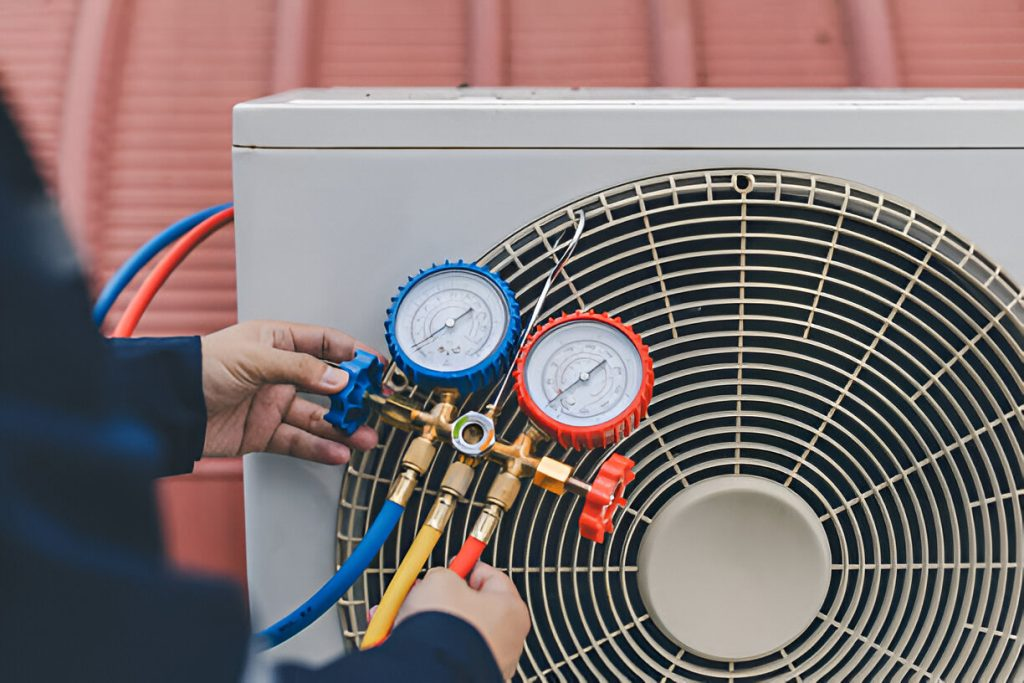
A comfortable indoor environment plays an important role in keeping a commercial property productive, welcoming, and operational throughout the year. In Fort Worth, TX, businesses face demanding weather conditions, particularly during the hot summer months when commercial air conditioning systems must work harder to maintain consistent temperatures. Over time, heavy usage, aging equipment, and neglected maintenance can affect HVAC performance and increase operating expenses. Recognizing early warning signs can help business owners avoid unexpected breakdowns and expensive repairs. Working with a reliable commercial hvac contractor fort worth tx businesses can trust ensures that heating and cooling problems receive professional attention before they disrupt daily operations.
1. Uneven Temperatures Throughout Your Commercial Building
One of the most noticeable signs of HVAC trouble is inconsistent indoor temperatures. You may find that certain offices remain comfortable while conference rooms, reception areas, or other sections of the building feel unusually warm or cold. These temperature differences can make employees uncomfortable and create an unpleasant experience for customers and visitors. When a commercial HVAC system cannot distribute conditioned air evenly, it may indicate an underlying mechanical or airflow problem.
Several factors can contribute to uneven temperatures, including blocked air vents, leaking ductwork, malfunctioning thermostats, dirty filters, and improperly balanced ventilation systems. In some cases, the HVAC equipment may also be incorrectly sized for the building. A system that cannot meet the property's heating and cooling demands may struggle to maintain consistent temperatures, especially during periods of extreme weather.
A professional HVAC technician can inspect the system, evaluate airflow, check thermostat operation, and identify the source of the problem. Depending on the findings, the solution may involve ductwork repairs, airflow adjustments, equipment maintenance, or system replacement. Addressing these issues early can improve indoor comfort and help prevent unnecessary strain on your commercial equipment.
2. Your Energy Bills Are Increasing Without Explanation
Unexpected increases in electricity costs can be another indication that your commercial HVAC system needs professional attention. Heating and cooling equipment often operates for several hours each day in offices, retail stores, restaurants, and other commercial facilities. When components become dirty, worn, or inefficient, the system may require more energy to maintain the desired indoor temperature. This can gradually increase monthly utility expenses and affect your business operating budget.
Common causes of poor HVAC efficiency include clogged air filters, dirty evaporator and condenser coils, refrigerant-related problems, damaged ductwork, and failing mechanical components. Incorrect thermostat settings and inadequate maintenance can also contribute to unnecessary energy consumption. Even a relatively small performance issue can become expensive when commercial equipment operates continuously throughout the week.
A qualified commercial hvac contractor fort worth tx property managers can rely on should evaluate the system's overall condition before recommending improvements. A professional inspection can reveal whether the equipment needs cleaning, repairs, adjustments, or replacement. Contractors may also recommend programmable thermostats, improved ventilation controls, or more efficient equipment when appropriate. Monitoring energy bills and comparing usage over time can help you recognize problems before they become major financial concerns.
3. Your HVAC System Makes Unusual Noises or Produces Strange Odors
Commercial HVAC equipment naturally produces some operating noise, but sudden or unusual sounds should never be ignored. Grinding, rattling, buzzing, banging, or persistent squealing may indicate mechanical problems that require inspection. These sounds can originate from loose components, worn bearings, damaged fan motors, electrical issues, or other equipment-related concerns. Ignoring unusual noises may allow a relatively minor problem to develop into a more expensive repair.
Unpleasant odors coming from air vents are another warning sign. Musty smells may indicate moisture accumulation, drainage problems, or microbial growth in areas that require professional attention. Burning or electrical odors can suggest overheating components or wiring issues and should be treated seriously. If you notice a burning smell, turn off the affected equipment when it is safe to do so and contact a qualified HVAC professional. Persistent unusual odors should not be covered up with air fresheners because doing so does not resolve the underlying issue.
A trained technician can inspect the equipment, identify the source of unusual sounds or odors, and recommend appropriate corrective action. Depending on the problem, repairs may involve tightening loose parts, replacing worn components, cleaning affected areas, or addressing electrical and drainage concerns. Prompt attention helps protect equipment performance and reduces the risk of unexpected system failure.
4. Your Business Experiences Frequent HVAC Breakdowns
If your commercial heating and cooling system requires repeated repairs, it may be approaching the end of its useful service life or experiencing an unresolved underlying problem. Occasional maintenance and repairs are normal, but frequent breakdowns can indicate that important components are deteriorating. Businesses that repeatedly experience cooling failures, heating interruptions, or inconsistent system operation should consider arranging a comprehensive professional evaluation.
Frequent HVAC problems can affect more than indoor comfort. For example, a restaurant may struggle to maintain a comfortable dining environment, while an office may experience reduced employee productivity when temperatures become uncomfortable. Certain commercial facilities also depend on stable indoor conditions to protect inventory, equipment, or specialized operations. Repeated interruptions can therefore create financial losses and negatively affect customer satisfaction.
An experienced contractor can assess the system's age, repair history, equipment condition, and current performance to determine whether continued repairs are practical. In some situations, replacing a failing component may provide a cost-effective solution. In others, upgrading an outdated system may offer better long-term value than repeatedly investing in repairs. Businesses should request a clear explanation of the available options, estimated costs, and expected benefits before making a decision.
Establishing a preventive maintenance schedule can also reduce the likelihood of unexpected failures. Regular inspections allow technicians to identify worn parts, inspect electrical connections, clean coils, check drainage, and evaluate overall system operation. This proactive approach helps businesses plan maintenance expenses instead of dealing with emergency repairs at inconvenient times.
5. Poor Indoor Air Quality Is Affecting Employees and Customers
Indoor air quality is an important part of maintaining a healthy and comfortable commercial environment. If employees frequently complain about stale air, excessive dust, unpleasant odors, or poor ventilation, your HVAC system may not be operating properly. Commercial buildings with high occupancy levels, limited ventilation, or inadequate filtration can experience indoor air quality concerns that affect the comfort of everyone inside.
Several HVAC-related issues may contribute to poor indoor air quality. Dirty filters can restrict airflow and reduce the system's ability to capture airborne particles. Blocked ventilation openings, neglected ductwork, drainage problems, and inadequate humidity control may also affect indoor conditions. In buildings where windows remain closed for extended periods, properly designed mechanical ventilation becomes especially important.
Professional HVAC services can help identify ventilation and filtration problems and determine which improvements are suitable for your property. A contractor may recommend replacing filters, cleaning certain system components, correcting airflow issues, or improving ventilation controls. The appropriate solution depends on the building's design, occupancy, existing equipment, and specific indoor air quality concerns.
Businesses looking for commercial hvac service irving tx should prioritize contractors who understand the importance of proper ventilation, filtration, and routine maintenance. Whether your property is an office, retail establishment, warehouse, or restaurant, maintaining suitable indoor air conditions supports a more comfortable working environment. Regular inspections can also help identify moisture-related concerns and other conditions that may affect HVAC performance.
Why Professional Commercial HVAC Services Matter
Commercial HVAC systems are more complex than many residential systems because they often serve larger spaces, accommodate different occupancy levels, and operate under demanding conditions. Professional contractors understand how equipment capacity, ventilation requirements, electrical components, ductwork, and building layouts work together. Their technical knowledge helps ensure that repairs and maintenance address the actual cause of a problem rather than providing temporary solutions.
Routine professional service can also help extend equipment life and maintain dependable operation. During scheduled inspections, technicians can examine important components, identify developing problems, clean equipment, and evaluate system performance. These visits provide an opportunity to address smaller concerns before they lead to expensive breakdowns. For Fort Worth businesses, preparing commercial HVAC equipment before the peak summer season is particularly valuable because cooling systems often experience increased demand during this period.
When choosing a contractor, verify appropriate Texas licensing, insurance coverage, commercial HVAC experience, and customer service standards. Ask for a detailed estimate that explains the recommended work, labor, equipment, and any additional costs. A dependable provider should communicate clearly, answer your questions, and offer recommendations based on your property's actual requirements.
Keep Your Fort Worth Business Comfortable and Operational
Recognizing HVAC warning signs early can save your business from unnecessary expenses and inconvenient disruptions. Uneven temperatures, rising energy bills, unusual noises, repeated breakdowns, and poor indoor air quality are all reasons to arrange a professional inspection. Addressing these concerns promptly helps maintain comfortable indoor conditions and supports the long-term performance of your commercial heating and cooling equipment.
Rather than waiting until your system completely stops working, consider building a relationship with an experienced commercial HVAC professional. Regular maintenance, timely repairs, and informed equipment upgrades can make a significant difference in how reliably your system operates. A qualified commercial hvac contractor fort worth tx business owners trust can evaluate your equipment, identify potential problems, and recommend practical solutions that fit your facility's needs.
Whether your property requires troubleshooting, preventive maintenance, equipment installation, or commercial hvac service irving tx, choosing an experienced contractor is an important investment in your business. With professional support and a proactive maintenance strategy, you can reduce unexpected HVAC problems, manage energy consumption, and provide a comfortable environment for employees, customers, and visitors throughout the year.










Comments (0)