

7 Reasons Commercial Hydroseeding Services Beat Traditional Seeding

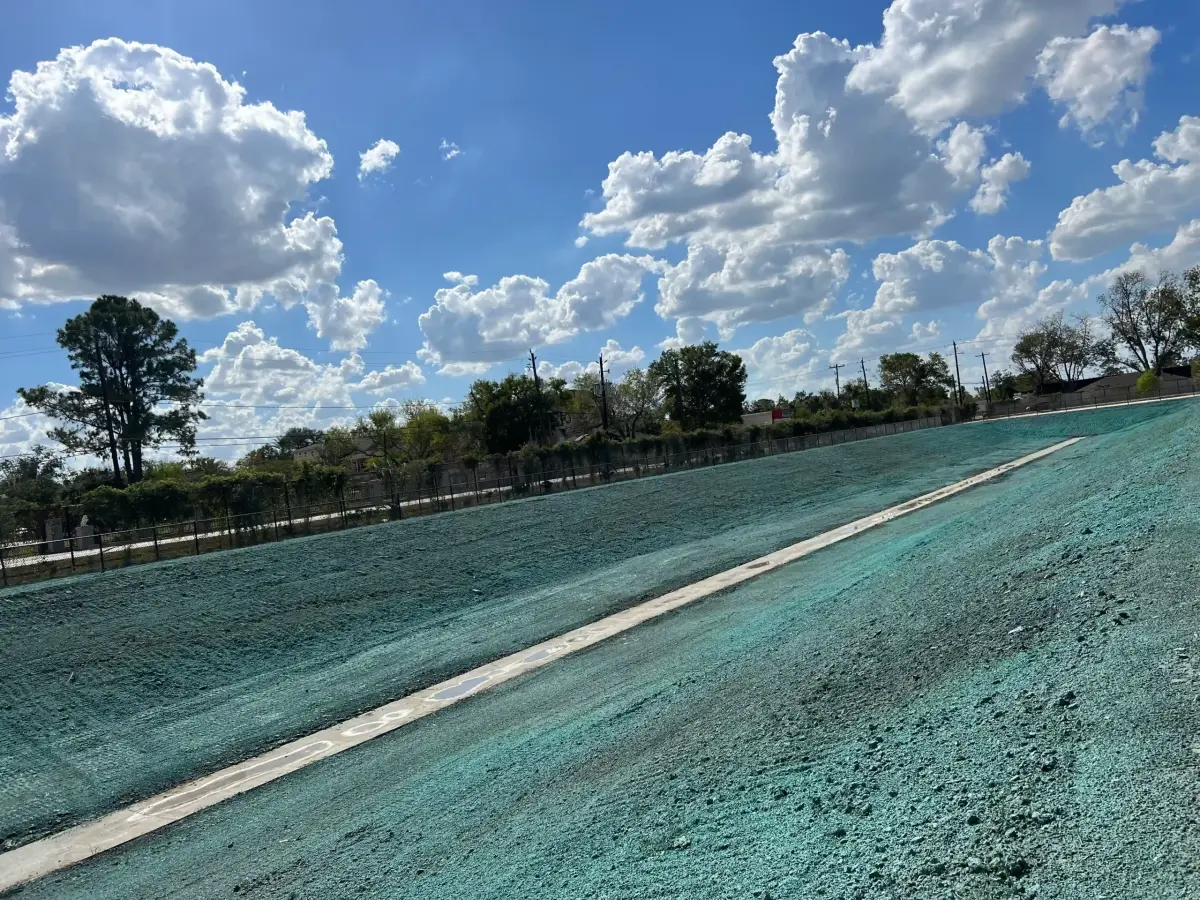
Establishing a healthy, attractive lawn across a large property can be challenging, especially when traditional seeding methods require significant time, labor, and ongoing attention. Commercial properties, construction developments, roadside landscapes, and recreational spaces often need an efficient way to establish grass while maintaining consistent coverage. Choosing the right seeding method can make a considerable difference in project timelines, landscaping costs, and long-term results. This is why many property owners and contractors are turning to commercial hydroseeding services as a practical alternative to conventional grass seeding.
Hydroseeding combines grass seed, water, mulch, and other beneficial materials into a mixture that is professionally sprayed across prepared soil. This application method helps distribute seeds more evenly while providing a protective layer that supports moisture retention and germination. Although traditional seeding remains useful for certain projects, hydroseeding offers several advantages for larger or more demanding landscapes. Understanding these benefits can help property owners make informed decisions when selecting a landscaping solution.
What Makes Commercial Hydroseeding Different from Traditional Seeding?
Traditional seeding typically involves spreading dry grass seed across prepared soil using manual or mechanical equipment. While this method can work well for smaller lawns and relatively level properties, achieving consistent coverage across extensive landscapes may require additional effort. Seeds can also become displaced by wind, rainfall, or surface runoff, potentially creating uneven growth and bare patches.
Hydroseeding uses a water-based mixture containing grass seed, mulch, and other selected ingredients. Professional equipment sprays this mixture across the prepared surface, allowing contractors to cover large areas more efficiently. The mulch helps maintain moisture around the seeds and provides some protection against environmental conditions that can interfere with early growth.
Another important difference is customization. Contractors can adjust the seed blend and other materials according to soil conditions, climate, sunlight exposure, and the property's intended use. This flexibility makes hydroseeding suitable for commercial developments, parks, roadside projects, and residential landscapes. While both methods can produce healthy grass, the right choice depends on property size, site conditions, budget, and maintenance expectations.
1. Faster Application Across Large Properties
One of the biggest advantages of commercial hydroseeding services is the ability to cover extensive areas efficiently. Traditional seeding often involves spreading seed manually or operating mechanical spreaders across the property. For large commercial landscapes, this process can require substantial labor and coordination, particularly when the terrain includes slopes, uneven ground, or difficult-to-reach sections.
Hydroseeding equipment allows trained operators to distribute the seed mixture over broad surfaces in a relatively short period. This makes the method especially useful for construction developments, business parks, industrial properties, and public landscaping projects. Contractors can apply the mixture systematically, reducing the time required for seed distribution compared with many conventional approaches.
Faster application can also help property developers coordinate landscaping with other construction activities. Establishing vegetation sooner may support project schedules and reduce the period during which exposed soil remains vulnerable to environmental conditions. However, faster application does not mean grass will grow overnight. Germination and establishment still depend on the selected seed, soil preparation, moisture, and weather.
2. More Consistent Seed Distribution
Achieving uniform seed coverage is important for creating a healthy and visually appealing lawn. With traditional broadcasting, seeds may be distributed unevenly, particularly when workers have limited experience or the property contains irregular surfaces. Some sections may receive too much seed, while other areas may remain underseeded. These inconsistencies can contribute to patchy growth and additional maintenance requirements.
Hydroseeding helps address this challenge by suspending grass seed within a liquid mixture. The equipment distributes the mixture across the prepared ground, helping create more consistent coverage when applied correctly. Professional operators can adjust spraying techniques according to the property's layout, surface conditions, and landscaping requirements.
Uniform distribution is particularly valuable for large commercial properties where appearance and vegetation coverage matter. Business entrances, roadside landscapes, community spaces, and recreational areas benefit from consistent grass establishment. Although proper application does not eliminate every possibility of uneven growth, it provides contractors with greater control over how seed is distributed across the site.
3. Better Moisture Retention During Germination
Moisture plays an essential role in grass seed germination. Newly planted seeds need suitable moisture conditions to begin developing roots and shoots. Traditional seeding generally leaves seeds more exposed unless additional mulch or protective materials are applied. Hot temperatures, dry winds, and inconsistent rainfall can make it difficult to maintain the moisture needed for successful establishment.
Hydroseeding includes mulch as part of the application mixture. This material forms a protective layer over the soil surface and helps slow moisture loss around the seeds. Depending on the mulch type and environmental conditions, it can also reduce the impact of certain weather-related disturbances. Maintaining suitable moisture can create better conditions for germination and early grass development.
However, mulch does not replace proper irrigation. Property owners must still follow an appropriate watering schedule based on soil type, weather, grass variety, and drainage. Too little water can interrupt germination, while excessive watering may wash away seed or create waterlogged conditions. Professional watering guidance helps maintain the balance required for healthy growth.
4. Effective Support for Soil Erosion Control
Soil erosion can become a serious concern on construction sites, roadside slopes, newly developed properties, and landscapes with exposed ground. Heavy rainfall and surface runoff can move loose soil, damage landscaping work, and affect nearby areas. Traditional seeding may require additional protective measures to help keep seeds in place, especially on sloped or erosion-prone surfaces.
Commercial hydroseeding provides a useful approach because the mulch in the mixture helps protect the soil surface while vegetation becomes established. Once grass begins developing, its roots can gradually help hold soil particles together. This makes hydroseeding particularly valuable for projects where vegetation is needed to support longer-term soil stabilization.
For more demanding erosion-control applications, contractors may recommend specialized mulch products, tackifiers, or other erosion-control materials. The appropriate solution depends on slope conditions, drainage patterns, soil composition, and environmental requirements. Property owners should understand that hydroseeding provides vegetation support rather than an immediate substitute for engineered erosion-control systems where those systems are necessary.
5. Flexible Grass Seed and Material Options
Different properties have different landscaping requirements. A commercial office complex may need attractive, low-maintenance grass, while a roadside development may require vegetation that can tolerate changing environmental conditions. Traditional seeding can accommodate different grass varieties, but hydroseeding makes it convenient for contractors to prepare customized mixtures for specific project requirements.
A professional contractor can select seed varieties according to local climate, soil conditions, sunlight exposure, and expected foot traffic. The mixture may also include fertilizers, soil amendments, and suitable mulch materials to support early establishment. Choosing the right combination is important because not every grass variety performs equally well in every environment.
This flexibility also benefits residential customers looking for a hydroseeding company near me. Homeowners may need help establishing a new lawn, repairing damaged grass, or improving coverage across a large backyard. A knowledgeable contractor can recommend an appropriate seed blend based on the property's growing conditions rather than using the same mixture for every project.
6. Potentially Lower Labor Requirements and Better Project Value
Labor is an important consideration when planning large landscaping projects. Traditional seeding may require considerable manual effort, particularly when contractors must cover extensive areas or repeatedly address inconsistent seed distribution. Additional protective materials may also be needed to help prevent seeds from moving due to wind or rainfall.
Hydroseeding can reduce some of these labor demands because specialized equipment allows contractors to apply the mixture efficiently. For commercial property owners, this can make project scheduling easier and potentially improve overall installation value. The ability to cover large areas with fewer manual application steps is particularly useful when working within specific construction or landscaping deadlines.
Nevertheless, hydroseeding is not always the least expensive option. Equipment, materials, site preparation, property accessibility, and project complexity all influence the final price. Small residential lawns may be more economical to seed traditionally. Property owners should compare complete project estimates, including preparation and maintenance requirements, rather than judging contractors solely by their initial application rates.
7. Suitable for a Wide Range of Commercial and Residential Projects
Another major advantage of hydroseeding is its versatility. It can be used across various property types, including commercial developments, office complexes, industrial facilities, parks, recreational spaces, roadside landscapes, and residential properties. Its ability to cover extensive and uneven surfaces makes it a practical option for projects that may be difficult to manage through conventional broadcasting.
Construction companies often use hydroseeding when restoring vegetation after grading or other ground-disturbing activities. Commercial property managers may choose it when establishing attractive green spaces around buildings and parking areas. Municipal projects can also benefit from its application flexibility when improving public landscapes and selected roadside areas.
For homeowners, searching for a hydroseeding company near me can be a useful starting point when planning a new lawn or repairing larger damaged areas. A local contractor may understand regional soil conditions, seasonal planting considerations, and grass varieties that perform well in the area. This knowledge can help homeowners select a suitable approach for their outdoor spaces.
How to Choose the Right Hydroseeding Company
Selecting an experienced contractor is just as important as choosing the right seeding method. Before hiring a company, review its previous projects, customer feedback, experience with similar properties, and knowledge of local growing conditions. A reliable contractor should be willing to inspect the site and explain the preparation and application process before providing a final estimate.
Ask about the grass seed varieties, mulch materials, fertilizers, and other products included in the mixture. It is also important to understand whether the quote covers soil preparation, grading, application, and post-installation guidance. Comparing these details can help you identify the overall value of each proposal and avoid unexpected expenses.
A professional company should also explain what happens after application. Proper watering, mowing, traffic management, and monitoring are essential for establishing healthy vegetation. Ask about realistic germination expectations and whether additional treatment may be necessary if certain sections develop poorly. Clear communication helps property owners understand their responsibilities and maintain the newly seeded landscape.
Final Thoughts
Commercial hydroseeding services offer several practical advantages over traditional seeding, particularly when working with large properties, challenging terrain, or projects that require consistent vegetation coverage. Faster application, improved seed distribution, moisture-retaining mulch, erosion-control support, and flexible material options make hydroseeding an attractive landscaping solution for many commercial and residential applications.
However, successful results depend on more than the application itself. Proper soil preparation, suitable seed selection, professional equipment, favorable growing conditions, and consistent maintenance all play important roles in grass establishment. Property owners should evaluate their specific landscaping requirements before deciding which method provides the best overall value.
Whether you are managing a commercial development or searching for a hydroseeding company near me to improve your residential lawn, working with an experienced contractor can make the process more manageable. With the right planning and ongoing care, hydroseeding can help transform exposed soil into attractive, healthy green spaces that serve your property for years to come.











Comments (0)