

How Can a TE Connectivity Crimp Tool Improve Accuracy?
Learn how a TE Connectivity Crimp Tool helps improve FASTON wiring quality through better workstations, first-piece inspection and clear harness identification.

Electrical harness production depends on hundreds of small decisions made correctly, often under time pressure. A single poorly terminated lead can interrupt a control signal, delay equipment commissioning or force a technician to dismantle a finished assembly. Building quality into each workstation is therefore more effective than relying on final testing to catch every problem.
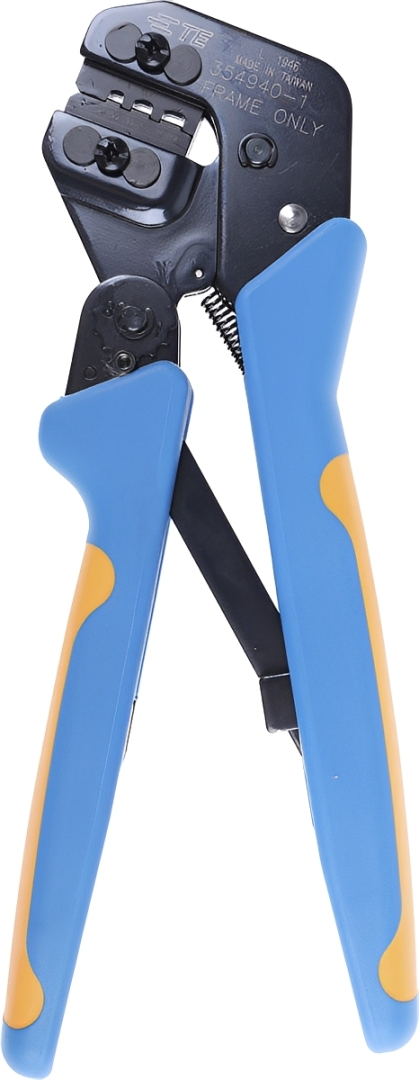
For production teams handling compatible Ultra-Fast FASTON receptacles, the TE Connectivity Crimp Tool, part 58628-1, can form part of a repeatable assembly process. This commercial PRO-CRIMPER III hand tool uses a removable die assembly and an adjustable ratchet. Its specified wire range spans 26 to 14 AWG across approved terminal combinations, rather than every terminal in those sizes.
Why Is Consistency More Valuable Than Crimping Speed?
A fast operator is useful, but rapid output loses value when finished connections must be repaired. Crimp quality depends on the relationship between conductor, terminal barrel and die geometry. Alter one part without checking the others and a previously dependable process can become unpredictable.
For that reason, a good workstation standardises materials before work begins. Technicians should know the approved terminal part number, conductor construction and applicable tool setup. Consistent preparation makes differences in workmanship easier to identify before an entire batch is assembled.
What Makes Model 58628-1 Application-Specific?
TE identifies the 58628-1 as commercial tooling for certain Ultra-Fast FASTON straight receptacles. It comprises a PRO-CRIMPER III frame and a dedicated interchangeable die assembly. The ratchet helps the operator complete the intended compression cycle, but it cannot make an incompatible terminal suitable.
The manufacturer's instruction sheet should be used to confirm:
- The supported receptacle series and exact terminal part number.
- Approved conductor gauge and maximum insulation diameter.
- Required strip length for the selected connection.
- Correct die location and operating procedure.
- Inspection requirements for an acceptable finished crimp.
These details matter more than choosing a crimper simply because its handles feel comfortable.
How Can Workstation Layout Prevent Wiring Mistakes?
A thoughtful bench arrangement reduces searching, confusion and unnecessary handling. Keep approved terminals in clearly labelled compartments, separate different wire gauges and place inspection aids within easy reach. Keep Blade Terminals and compatible receptacles in separately labelled trays rather than relying on visual similarity alone.
Prepare cut lengths using suitable Wire Cutters and compare the conductor against the job specification. Where insulation needs protection from abrasion along a harness, Cable Sleeves can be planned before the finished assembly becomes difficult to access. Such supporting choices improve the entire build, not the crimp alone.
Why Should Stripping Be Treated as a Controlled Operation?
The easiest defect to miss may be a strand damaged during insulation removal. Proper Wire Strippers help technicians expose the specified conductor length without nicking the metal. A clean cut and correctly stripped wire support proper insertion into the selected terminal barrel.
Check each prepared end before applying force. If strands are missing, insulation is torn, or copper has been bent excessively, cut back and prepare a fresh end. This small decision can prevent an unreliable connection from reaching the test bench.
What Should Happen During First-Piece Approval?
Before a long run begins, produce a sample using the exact production wire and terminal. Confirm the tool's identification and die configuration, then assess the sample against TE's specified crimp criteria. If an applicable procedure requires dimensional or pull-force testing, complete it with suitable equipment.
Record acceptance before releasing the workstation for routine work. This is particularly valuable when a shift changes, a terminal batch is replaced or maintenance has been performed on the tool. First-piece checks do not guarantee every later crimp, but they can expose a setup error early.
How Can Operators Spot a Process Drift?
Changes in handle feel, terminal positioning or completed profile deserve attention. Do not compensate by squeezing a finished crimp again or adjusting the ratchet casually. Stop the operation, isolate affected work and follow the authorised inspection and tooling procedure.
For larger harnesses, Cable Ties can hold completed groups in place, but they must not be tightened until conductors are strained. Routing should preserve service loops and avoid pulling directly against terminated receptacles.
Why Do Labels and Records Matter After Assembly?
An electrically sound harness still creates service problems if nobody can identify its conductors. Durable Cable Markers make circuit identification clearer during inspection, troubleshooting and future replacement. Apply the correct identifiers at the planned stage so labels remain readable after routing.
Traceability can be simple. Record tool identification, relevant terminal and wire batches, operator or station details, and inspection results according to the organisation's quality system. When a problem appears later, these records help define its scope instead of forcing every completed harness to be rechecked.
Which Checks Are Worth Including in the Final Release?
- Correct terminal fitted to the specified conductor and mating interface.
- No damaged insulation, missing strands or visible barrel deformation.
- Required mechanical inspection completed where applicable.
- Circuit continuity and electrical testing performed to the assembly specification.
- Harness labels, routing and strain relief checked before packaging.
A continuity test alone cannot establish the mechanical quality of a crimp, so inspection and electrical verification should complement one another.
How Can You Build a More Dependable Termination Process?
Reliable assembly comes from a connected set of decisions, not one tool purchase. Specify compatible Ultra-Fast FASTON components, train operators to follow approved instructions and make first-piece checks part of the normal workflow. Keep tooling clean, protected and assessed whenever inspection results change.
When selecting Crimp Tools for different connector families, compare their approved die and terminal combinations instead of assuming one frame handles everything. A carefully matched TE Connectivity 58628-1 setup can support steady production quality when the surrounding process is just as disciplined.










Comments (0)