

Can Uncontrolled Diabetes Increase the Risk of Pregnancy Loss?
Uncontrolled diabetes can increase the risk of miscarriage and other pregnancy complications. Learn how blood sugar levels, pre-pregnancy testing, and medical care can help women with diabetes prepare for a healthier pregnancy.

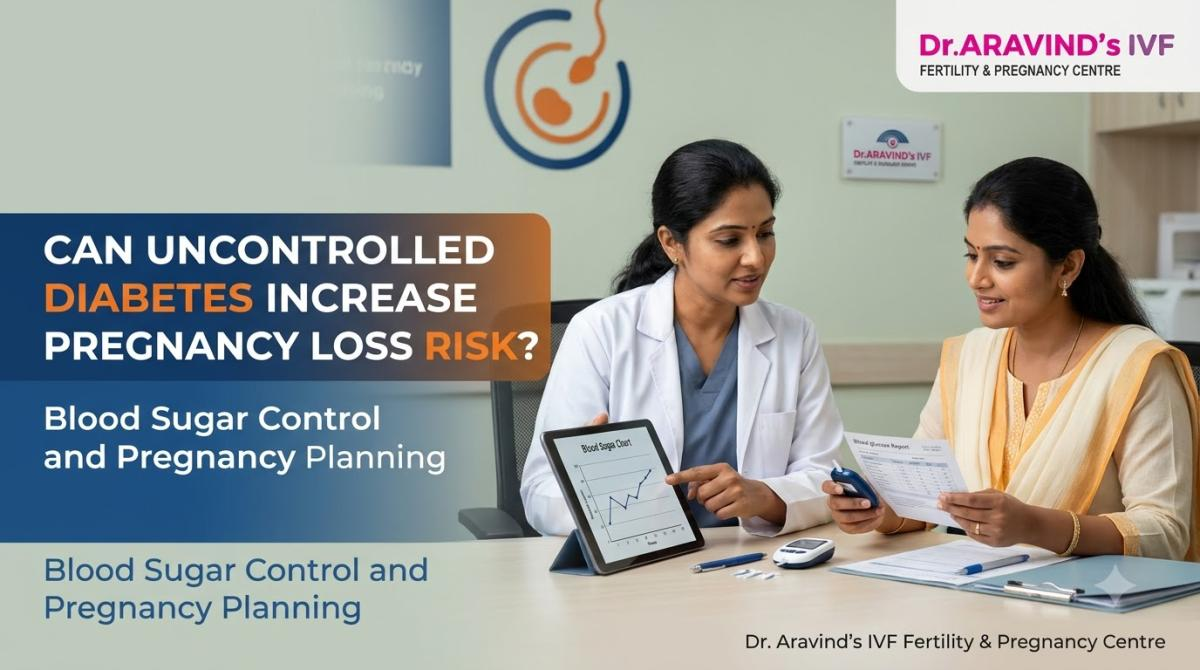
A healthy pregnancy begins with good care before conception. For women living with diabetes, blood sugar control is an important part of that preparation. High blood glucose around the time of conception and during early pregnancy may increase the risk of certain complications, including miscarriage. Understanding diabetes and miscarriage risk can help couples take steps towards a safer pregnancy. If you are looking for the best fertility centre in Nagapattinam, choose a medical team that can review your health, explain the risks, and guide you with a personalised care plan.
How Does Uncontrolled Diabetes Increase Pregnancy Loss Risk?
Diabetes affects how the body uses glucose for energy. When blood sugar stays high for long periods, it can affect several organs and normal body functions.
During early pregnancy, the embryo develops rapidly. Poorly controlled diabetes before conception and in early pregnancy can affect this development and increase the chance of pregnancy complications.
High blood glucose may also be linked to changes in the body's metabolic and vascular functions. These changes can affect the early pregnancy environment.
However, diabetes does not mean miscarriage will happen. Many women with diabetes have healthy pregnancies when their condition is well managed with medical support.
What Is the Link Between Diabetes and Miscarriage Risk?
The relationship between diabetes and miscarriage risk is especially important for women who have diabetes before becoming pregnant.
Women with uncontrolled type 1 or type 2 diabetes may have a higher risk of early pregnancy loss and certain birth defects. The risk is linked in part to high blood glucose around conception and during the first weeks of pregnancy.
Other possible pregnancy complications include:
-
Congenital abnormalities: High blood glucose during early development can increase the risk of certain birth defects.
-
High blood pressure and preeclampsia: Diabetes can increase the risk of pregnancy-related blood pressure problems.
-
Large birth weight: Poor glucose control can lead to excessive fetal growth.
-
Preterm birth: Some women with diabetes have a higher chance of delivering early.
It is important to understand the difference between pre-existing diabetes and gestational diabetes. Gestational diabetes is usually diagnosed later in pregnancy, often during screening between 24 and 28 weeks. It is not generally considered a cause of early miscarriage in the same way as poorly controlled diabetes that existed around conception.
What Are the Warning Signs of Diabetes During Pregnancy?
Some women already know they have diabetes before pregnancy. Others may have high blood sugar without clear symptoms.
Possible signs of high blood glucose include:
-
Increased thirst
-
Frequent urination
-
Unusual tiredness
-
Blurred vision
-
Increased hunger
These symptoms are not specific to diabetes and may also occur for other reasons. Blood tests are needed to diagnose diabetes.
Also, a miscarriage may cause vaginal bleeding, abdominal cramps, or loss of pregnancy symptoms. These signs do not confirm pregnancy loss. If you experience bleeding or pain during pregnancy, contact your healthcare provider. Seek urgent care for heavy bleeding, severe pain, dizziness, or fainting.
For more information about diabetes and miscarriage risk, read our guide to miscarriage symptoms, causes and warning signs.
How Can Women With Diabetes Prepare for Pregnancy?
Good preparation can help reduce the risks linked to high blood glucose. If you have diabetes and are planning a pregnancy, speak with your doctor before trying to conceive.
Your care plan may include:
-
HbA1c testing: This blood test gives an estimate of average blood glucose over the previous few months.
-
Blood sugar monitoring: Regular checks help your doctor understand how well your diabetes is controlled.
-
Medication review: Some diabetes medicines may need to be changed before or during pregnancy.
-
Nutrition guidance: A balanced meal plan can support stable blood glucose levels.
-
Folic acid advice: Your doctor may recommend a suitable dose before conception.
-
Health checks: Blood pressure, kidney health, and eye health may also need assessment.
Do not stop diabetes medication or change your dose without medical advice. Good blood sugar control before conception is an important part of pre-pregnancy care.
When Should You Seek Fertility Guidance?
If you have diabetes and are planning a baby, early medical guidance can help you understand your health and pregnancy risks. A fertility centre in Nagapattinam can help assess fertility concerns and coordinate care with the appropriate medical specialists.
Couples researching the best IVF centre in India should remember that IVF does not remove the risks linked to uncontrolled diabetes. Blood glucose and other health conditions need proper management whether pregnancy happens naturally or through fertility treatment.
Conclusion
Uncontrolled diabetes can increase the risk of pregnancy loss, particularly when blood glucose is high around conception and during early pregnancy. However, diabetes does not mean you cannot have a healthy baby. With pre-pregnancy planning, regular blood sugar checks, and the right medical support, many women have successful pregnancies. If you are considering the best fertility centre in Nagapattinam, choose a team that supports personalised fertility care and helps you connect with the right specialists for diabetes management.













Comments (0)