

Chemical Peels in Dubai: What to Expect
Learn what to expect from Chemical Peels in Dubai, including skin preparation, treatment steps, possible side effects, recovery time, and essential aftercare.
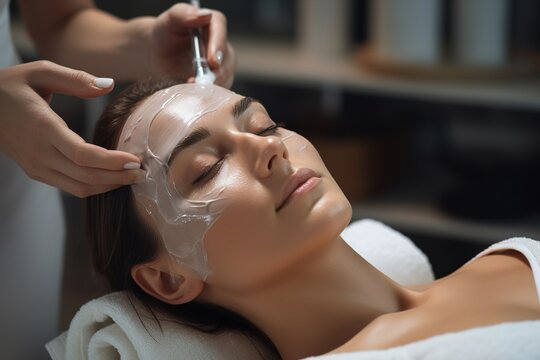
Achieving smoother, brighter, and healthier-looking skin often requires more than a regular skincare routine. Concerns such as pigmentation, acne marks, uneven texture, fine lines, and dullness can make the complexion appear tired. Chemical Peels in Dubai (التقشير الكيميائي في دبي) offer a non-surgical approach to improving these concerns through controlled exfoliation and skin renewal.
A chemical peel involves applying a specially formulated solution to the skin to remove dead or damaged surface cells. Depending on the treatment strength and ingredients, it may help improve skin texture, superficial discoloration, clogged pores, and certain visible signs of ageing.
If you are considering this procedure, understanding the treatment process, preparation requirements, possible reactions, and recovery period can help you feel more confident about your skincare decision.
What Are Chemical Peels in Dubai?
Chemical Peels in Dubai are cosmetic exfoliation treatments designed to improve the appearance of the skin by removing selected layers of dead or damaged cells. The procedure uses chemical solutions containing ingredients such as glycolic acid, salicylic acid, lactic acid, and trichloroacetic acid.
These ingredients work differently depending on their formulation and concentration. Some target the outermost skin layer, while others penetrate deeper to address more noticeable skin concerns.
The treatment may help improve dullness, mild pigmentation, acne marks, rough texture, and certain fine lines. The appropriate peel depends on individual skin characteristics and treatment goals.
What to Expect Before a Chemical Peel
Preparation is an important part of the treatment process. Proper skin evaluation and suitable pre-treatment care can help reduce unnecessary irritation.
Skin Assessment
Before treatment, your skin is evaluated to identify its type, sensitivity, texture, and existing concerns. Your skincare routine, previous cosmetic procedures, and relevant medical history may also be reviewed.
This information helps determine whether a superficial, medium-depth, or alternative treatment is appropriate.
Pre-Treatment Skincare
You may receive instructions to temporarily discontinue certain active skincare ingredients, including retinoids, exfoliating acids, and abrasive products.
Avoiding excessive sun exposure is also important because recently tanned or irritated skin may be more vulnerable to complications.
Understanding the Treatment Plan
The selected chemical formulation, expected results, potential side effects, and recovery requirements should be explained before the procedure begins.
Having realistic expectations helps you understand what improvements are possible and how much recovery time may be necessary.
Step-by-Step Chemical Peel Procedure
The treatment generally involves several stages, although the exact process varies depending on the selected formulation.
Step 1: Cleansing the Skin
The treatment area is thoroughly cleansed to remove makeup, oil, and surface impurities. Clean skin allows the chemical solution to be applied more evenly.
Step 2: Applying the Chemical Solution
The selected exfoliating solution is carefully applied to the targeted area. Depending on the ingredients and concentration, you may experience mild tingling, warmth, or temporary stinging.
Step 3: Monitoring the Skin Response
The skin is observed throughout the procedure. The application time and removal process depend on the specific chemical product being used.
Step 4: Removing or Neutralising the Solution
Some chemical formulations require neutralisation, while others are removed according to their product-specific instructions.
Step 5: Applying Post-Treatment Skincare
A suitable moisturiser and sun protection are recommended to help protect the treated area and support recovery.
Different Types of Chemical Peels
The depth of exfoliation determines how deeply the treatment works and how much recovery time may be needed.
Superficial Chemical Peels
These treatments target the outermost layer of the skin and commonly use glycolic acid, lactic acid, or salicylic acid.
They may help improve mild pigmentation, dullness, clogged pores, and rough texture. Recovery is generally shorter, although temporary dryness, redness, and flaking may occur.
Medium-Depth Chemical Peels
Medium-depth treatments penetrate further into the skin and may help improve selected pigmentation concerns, sun damage, and certain fine lines.
They usually involve more noticeable peeling and a longer recovery period than superficial treatments.
Deep Chemical Peels
Deep peels penetrate further into the skin and are reserved for selected concerns. They involve substantial recovery time and carry higher risks, including infection, scarring, and pigmentation changes.
Careful assessment is essential before considering this treatment.
What Does Your Skin Feel Like During Treatment?
The sensations experienced during chemical peeling depend on the ingredients, concentration, and skin sensitivity.
Some people notice mild tingling or warmth, while stronger formulations may cause temporary stinging or burning sensations.
After the procedure, the skin may feel tight, dry, or sensitive. These reactions can be part of the expected healing process, but severe pain or unusual symptoms should be assessed promptly.
What Happens After a Chemical Peel?
The recovery experience varies according to the depth of exfoliation.
After a superficial peel, mild redness, dryness, and light flaking may develop over the following days.
Medium-depth peels can cause more noticeable redness, swelling, and peeling. Deep peels may require a considerably longer healing period and careful follow-up.
The skin should be allowed to recover naturally. Picking, scratching, or pulling peeling skin can increase the risk of unwanted marks and scarring.
Possible Side Effects and Risks
Although chemical peeling can improve selected skin concerns, it is important to understand the potential side effects.
Common temporary reactions include redness, dryness, tightness, stinging, and peeling.
Less common complications can include prolonged redness, infection, scarring, allergic reactions, and changes in skin pigmentation.
Individuals with darker skin tones may have a higher risk of post-inflammatory hyperpigmentation following aggressive exfoliation. Careful formulation selection and appropriate treatment depth are particularly important.
Essential Aftercare Tips
Following proper aftercare instructions helps protect the skin and supports a comfortable recovery.
Use Sunscreen Every Day
Apply broad-spectrum SPF 30 or higher and limit direct sunlight. Newly treated skin can be more sensitive to ultraviolet radiation.
Keep the Skin Moisturised
Use a gentle, fragrance-free moisturiser to reduce dryness and support the skin barrier.
Avoid Strong Active Ingredients
Temporarily discontinue retinoids, exfoliating acids, and abrasive scrubs until the skin has recovered and their use is approved.
Avoid Hot Environments
During the initial recovery period, avoid activities that cause excessive heat or sweating if they increase irritation. Follow the specific instructions provided for your treatment.
Allow Natural Skin Peeling
Never pull or scrub away flaky skin. Allow it to shed naturally to minimise irritation and the risk of pigmentation changes.
When Will You See the Final Results?
The timeline depends on the chemical solution and the skin concern being addressed.
Some people notice a fresher appearance within several days after a superficial peel. Improvements in pigmentation, acne marks, and texture may develop gradually over multiple sessions.
Medium-depth and deep peels require longer healing periods, and visible improvements may take additional time as the skin recovers.
Results also vary according to individual skin characteristics, sun exposure, and skincare habits.
Who Is a Suitable Candidate?
People experiencing dullness, superficial pigmentation, acne marks, uneven skin texture, and selected signs of ageing may consider chemical peeling.
However, active infections, open wounds, severe irritation, and certain skin conditions may make treatment unsuitable.
A personalised skin assessment is important to identify possible risks and select an appropriate treatment approach.
Conclusion
Chemical Peels in Dubai provide a non-surgical option for improving dullness, uneven skin tone, superficial pigmentation, acne marks, and rough skin texture. Understanding the preparation process, treatment stages, possible side effects, and recovery requirements can help you make an informed decision. Proper aftercare, daily sun protection, and suitable treatment selection are essential for achieving healthier-looking skin. TAJMEELS DUBAI عيادة تجميل offers an opportunity to explore aesthetic skin rejuvenation options and learn more about treatments that support your individual skincare goals.

Provide health services












Comments (0)