

Gas Line Installation in Tucson, AZ: What Homeowners Should Know About Safe Gas Piping

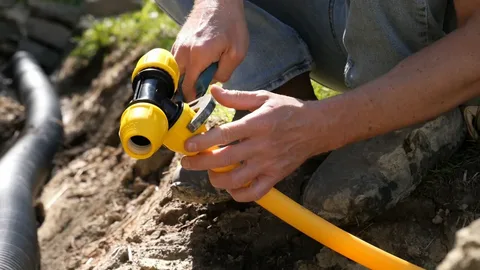
Introduction
Natural gas is an important energy source for many homes and businesses in Tucson, Arizona. It powers water heaters, stoves, furnaces, fireplaces, and other appliances that make everyday life more convenient. However, gas piping must be installed correctly to support reliable operation and reduce the risk of leaks or other hazards. Professional Gas Line Installation in Tucson, AZ, helps property owners ensure that new gas connections are planned, installed, and tested according to applicable safety requirements.
Whether you are building a new home, upgrading kitchen appliances, or adding an outdoor cooking area, understanding the installation process can help you make informed decisions about your property's gas system.
Why Professional Gas Line Installation Matters
Gas lines require careful planning, suitable materials, and proper connections. An incorrectly installed pipe or fitting can create dangerous conditions, including gas leaks, fire hazards, and carbon monoxide risks associated with improperly operating fuel-burning appliances.
A qualified gas piping professional can evaluate the property's layout, determine the appropriate pipe sizing, and identify the requirements for connecting appliances. Professional installation also helps ensure that the system is tested and inspected as required by local codes.
In Tucson, property owners should confirm applicable permit requirements and use qualified professionals familiar with local regulations before beginning gas line work.
Common Reasons for Installing a New Gas Line
Several home improvement projects may require a new gas connection or an extension of an existing gas piping system.
Kitchen Appliance Upgrades
Homeowners replacing an electric stove with a natural gas range may need a new gas connection. A professional can determine whether the existing piping can support the appliance and whether additional work is necessary.
Outdoor Kitchens and Gas Grills
Outdoor kitchens are popular additions to residential properties. Installing a permanent gas connection for an outdoor grill or cooking station can eliminate the need to replace portable fuel cylinders regularly. The installation must account for appliance requirements, outdoor conditions, and applicable safety clearances.
Water Heaters and Furnaces
Replacing an older water heater or heating system may involve modifications to the existing gas piping. Correct sizing and proper connections help ensure that the appliance receives the fuel supply specified by its manufacturer.
Home Renovations and New Construction
Room additions, kitchen remodels, and newly constructed properties may require gas piping designed around the building's layout and planned appliances. Coordinating gas line installation with other construction work can help prevent unnecessary delays and costly changes.
Gas Line Repair in Tucson, AZ: Recognizing Common Problems
Existing gas piping can develop problems because of corrosion, physical damage, loose connections, aging components, or improper previous installation. Recognizing warning signs early can help property owners respond before a problem becomes more serious.
Professional Gas Line Repair in Tucson, AZ, may involve investigating suspected leaks, replacing damaged piping, correcting faulty connections, or repairing other approved components of the gas system. The appropriate solution depends on the location and cause of the problem.
A strong sulfur-like or rotten-egg odor, hissing sounds near a gas line, or unexplained damage around gas piping may indicate a leak. If you suspect a gas leak, leave the building immediately, avoid operating electrical switches or using flames, and contact emergency services or your gas utility from a safe location. Do not attempt to locate or repair the leak yourself.
What to Expect During a Gas Line Installation
A professional installation generally begins with an assessment of the property and the appliances that will use natural gas. The technician reviews the proposed route, calculates the required piping capacity, and determines whether the existing system needs modifications.
Next, the installation is completed using suitable materials and approved methods. Connections, supports, shutoff valves, and appliance hookups must meet the applicable requirements. Once the work is finished, the system must undergo the required testing and inspection before it is placed into service.
Homeowners should request an explanation of the completed work, applicable inspection requirements, and any maintenance recommendations relevant to their installation.
Choosing a Gas Line Service Provider in Tucson
Selecting an experienced professional is an important part of any gas piping project. Before hiring a contractor, ask about licensing where required, insurance, relevant experience, and familiarity with Tucson's local permitting requirements.
Request a written estimate outlining the proposed work, materials, expected timeline, and any additional charges. It is also useful to confirm who will arrange required permits and inspections.
A dependable service provider should explain the available options clearly, answer questions about the project, and prioritize safety over shortcuts.
Conclusion
A properly installed gas piping system supports the safe and efficient operation of residential appliances. From connecting a new kitchen range to preparing an outdoor cooking area, professional planning helps ensure that the work meets applicable standards and the property's needs.
Homeowners planning Gas Line Installation in Tucson, AZ, should work with qualified professionals who understand local requirements and proper installation procedures. When existing piping shows signs of damage or a possible leak, professional Gas Line Repair in Tucson, AZ, can help address the underlying problem. Taking gas system concerns seriously helps protect occupants, property, and the long-term reliability of household appliances.












Comments (0)