

Home Builders in Adelaide: Your Guide to Building a Dream Home
Discover how to choose reliable Home Builders in Adelaide, explore modern home designs, plan your building budget, and understand the construction process. Learn practical tips for selecting a builder, customising your home, improving energy efficiency, and creating a comfortable living space with Format Homes. Copy summary

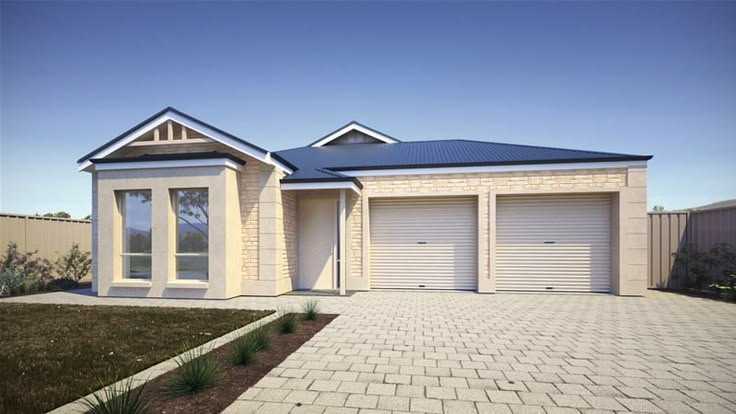
Building a home is an exciting opportunity to create a space that reflects your lifestyle, preferences, and future goals. From choosing the right floor plan to selecting finishes that suit your taste, every decision helps shape a home that feels uniquely yours. With a wide range of designs, locations, and construction options available, finding reliable Home Builders in Adelaide is an important first step towards a successful building experience. Whether you are planning your first home, upgrading to accommodate a growing family, or investing in a new property, understanding the building process can help you make confident decisions and achieve a home that delivers lasting comfort and value.
Why Choose Professional Home Builders in Adelaide?
Home Builders in Adelaide can help turn your ideas into a practical, well-designed living space that suits your budget and lifestyle. Experienced builders understand local building requirements, site conditions, construction processes, and the importance of coordinating different stages of a project. Their knowledge can make the journey more manageable, from initial planning and design through to construction and handover.
Working with the right builder also gives you an opportunity to discuss your expectations early and understand what is included in your building agreement. Rather than making important decisions without guidance, you can work with professionals who help explain available options and identify potential challenges before construction begins.
A professional home builder can assist with:
-
Design and planning: Finding a floor plan that suits your household and everyday routines.
-
Budget management: Understanding estimated costs, inclusions, and potential additional expenses.
-
Construction coordination: Managing trades, materials, and building stages.
-
Regulatory compliance: Addressing applicable building codes, approvals, and local requirements.
-
Quality control: Monitoring workmanship throughout the construction process.
Choosing a suitable builder can help reduce uncertainty and create a more organised experience from start to finish.
Explore Different Home Designs to Suit Your Lifestyle
Every household has different priorities, which is why selecting a suitable home design is essential. Some families need additional bedrooms and generous living areas, while others prefer a compact layout with practical storage and low-maintenance features. The best design balances visual appeal with functionality.
Single-Storey Homes for Everyday Comfort
Single-storey homes are popular with families who value convenient movement between rooms and an accessible layout. With bedrooms, living areas, and outdoor spaces arranged on one level, these homes can support a comfortable daily routine.
They are particularly worth considering if you prefer easy access throughout the property or want to create a seamless connection between indoor and outdoor entertaining areas.
Double-Storey Homes for Better Space Utilisation
Double-storey homes can provide additional living space without requiring a larger building footprint. Separating bedrooms from shared living areas may also offer greater privacy for families.
This design can be suitable for blocks where maximising available land is a priority, although staircase placement, structural requirements, and ongoing maintenance should be considered.
Contemporary Homes with Modern Features
Contemporary home designs often incorporate open-plan living, natural light, clean architectural lines, and practical indoor-outdoor connections. Features such as large windows, functional kitchens, and flexible living spaces can help create a modern environment.
When exploring designs, focus on how the layout supports your lifestyle rather than choosing a floor plan based on appearance alone.
What to Consider Before Building a Home in Adelaide
Before committing to a design or construction agreement, take time to evaluate the practical details that can influence your overall experience.
1. Establish a Realistic Budget
Your budget should account for more than the advertised house price. Depending on your project, additional expenses may include:
-
Land purchase and site preparation
-
Soil testing and foundation requirements
-
Council approvals and applicable fees
-
Driveways, fencing, landscaping, and outdoor areas
-
Flooring, appliances, lighting, and upgrades
-
Temporary accommodation or financing costs during construction
Ask your builder for a detailed breakdown of inclusions, exclusions, allowances, and possible variations. Maintaining a contingency fund can also help you prepare for unexpected costs.
2. Assess Your Block of Land
The location and characteristics of your land can influence which home designs are suitable. Consider block dimensions, slope, orientation, access, easements, and relevant planning restrictions.
For example, a narrow block may benefit from a carefully designed floor plan, while a sloping site could require additional engineering or site works. Understanding these factors early can prevent avoidable design changes later.
3. Prioritise Energy Efficiency
An energy-efficient home can improve indoor comfort and potentially reduce ongoing energy consumption. When comparing building options, consider insulation, window performance, ventilation, shading, and the orientation of living spaces.
Depending on your budget, you may also explore energy-efficient appliances, solar panels, and other suitable features. Discuss these options during the design stage so they can be incorporated effectively.
How to Find the Right Home Builder for Your Project
Choosing a builder involves more than comparing prices. You are selecting a professional who will be responsible for turning your plans into a completed home.
Use the following checklist when comparing your options:
-
Review previous projects: Look for examples that reflect your preferred style, layout, and level of finish.
-
Check licences and insurance: Verify the builder's credentials and applicable insurance arrangements.
-
Read independent reviews: Look for consistent feedback about communication, workmanship, and project management.
-
Compare written quotes: Ensure you are comparing similar specifications, inclusions, and allowances.
-
Understand the contract: Review payment schedules, variations, estimated timeframes, and dispute-resolution provisions.
-
Ask about communication: Find out who will manage your project and how progress updates will be provided.
It is also helpful to ask how the builder handles unexpected site conditions, material delays, and changes requested during construction. Clear answers can provide a better understanding of their approach to customer service and problem-solving.
Understanding the Home-Building Process
Knowing what happens at each stage can make the experience easier to manage. Although the exact process varies by project, most residential builds follow a series of key steps.
Step 1: Planning and Design
Start by identifying your budget, preferred location, household requirements, and essential features. Work with your builder to select a suitable design and discuss any modifications.
Step 2: Approvals and Preparation
Depending on the property and project, this stage may involve surveys, soil tests, engineering, building approvals, and site preparation. Confirm which tasks are included in your building agreement.
Step 3: Construction
Construction typically progresses through foundations, framing, roofing, installation of services, internal finishes, and other required work. Inspections and quality checks help ensure the project meets applicable requirements.
Step 4: Final Inspection and Handover
Before accepting your completed home, review the work carefully, document any outstanding items, and confirm the arrangements for addressing defects. Make sure you receive relevant warranties, manuals, and compliance documentation.
Maintaining communication with your builder throughout these stages can help you stay informed and address concerns promptly.
Design Features That Add Everyday Value
A well-planned home should look appealing while making daily life easier. Instead of concentrating exclusively on luxury upgrades, consider features that improve comfort, flexibility, and long-term usability.
Some worthwhile options include:
-
Open-plan living areas that encourage interaction and make shared spaces feel connected.
-
Practical storage solutions that help keep bedrooms, kitchens, and living areas organised.
-
Flexible rooms that can serve as a home office, guest bedroom, or study.
-
Outdoor entertaining areas that extend usable living space.
-
Durable materials that suit your maintenance preferences and household needs.
-
Thoughtful lighting that makes rooms feel welcoming and functional.
Prioritise features you will use regularly. A carefully designed kitchen, adequate storage, and comfortable living spaces may provide more everyday satisfaction than expensive additions that do not suit your lifestyle.
Common Mistakes to Avoid When Building a Home
Even a well-planned project can become stressful when important details are overlooked. Being aware of common mistakes can help you make better decisions.
Avoid choosing a builder based on price alone. An unusually low quote may exclude important items or rely on allowances that do not match your expectations.
Do not overlook contract details. Read the specifications, payment conditions, variation procedures, and estimated construction schedule before signing.
Avoid making frequent late changes. Changes after construction begins can affect costs, materials, approvals, and project timing.
Think beyond your current needs. Consider how your household may change over time and whether the design can accommodate those changes.
Keep important communication documented. Written records of agreed changes, selections, and decisions can help reduce misunderstandings.
Taking a considered approach at the beginning can help you manage expectations and create a smoother building experience.
Conclusion: Build with Confidence with Format Homes
Building a new property is an opportunity to create a home that suits your lifestyle, reflects your preferences, and supports your future plans. By comparing designs, understanding your budget, assessing your land, and researching reputable Home Builders in Adelaide, you can approach the process with greater confidence. Careful planning and clear communication are essential for making informed decisions at every stage, from the initial design to the final inspection.
When exploring your options, consider Format Homes as part of your research into home-building solutions. Review available designs, discuss your requirements, and confirm the inclusions, costs, and construction arrangements that best match your goals. With the right preparation and a builder who understands your priorities, you can take meaningful steps towards creating a comfortable, functional home for years to come.
Frequently Asked Questions
1. How do I choose the best home builders in Adelaide?
Start by comparing relevant building experience, previous projects, customer reviews, licences, and written quotes. Review the proposed specifications and contract carefully, and choose a builder whose communication style, services, and approach align with your requirements.
2. How much does it cost to build a home in Adelaide?
The cost depends on the home's size, design, materials, finishes, site conditions, and location. Land, site preparation, landscaping, approvals, and upgrades can add to the total. Request a detailed quote based on your specific plans and confirm what is excluded.
3. How long does it take to build a new home in Adelaide?
Construction timeframes vary according to the home's complexity, approval requirements, weather, site conditions, labour availability, and material supply. Ask your builder for an estimated schedule and clarification on how delays and extensions are managed under the contract.
4. Can I customise a home design when working with a builder?
Many builders offer a selection of designs and may allow modifications, depending on their building process and the requirements of the project. Discuss your preferred layout, room sizes, storage needs, fixtures, and finishes before finalising your plans.
5. What should I check before signing a home-building contract?
Review the total price, specifications, inclusions and exclusions, payment schedule, variation process, estimated timeframe, warranties, and dispute-resolution provisions. Verify the builder's credentials and seek independent legal advice if you are unsure about any contractual obligations.









Comments (0)