

Intravenous (IV) Catheters: Types, Uses and Key Considerations
Learn about intravenous (IV) catheters, their types, common medical uses, materials, insertion considerations and essential safety practices.
Introduction
Intravenous (IV) catheters are medical devices used to establish access to a vein for administering fluids, medications and other prescribed treatments. They are widely used in hospitals, clinics, emergency departments, surgical settings and other healthcare environments. By providing access to the bloodstream, these devices support a range of clinical procedures, from routine fluid administration to time-sensitive medical care.
Choosing an appropriate IV catheter depends on several factors, including the patient's condition, the intended treatment, the duration of vascular access and the characteristics of the vein. Healthcare professionals must also consider catheter size, material, insertion technique and infection prevention requirements.
Understanding how intravenous catheters work, the types available and the precautions involved can help healthcare staff and medical procurement teams make informed decisions about these essential medical consumables.
What Is an Intravenous (IV) Catheter?
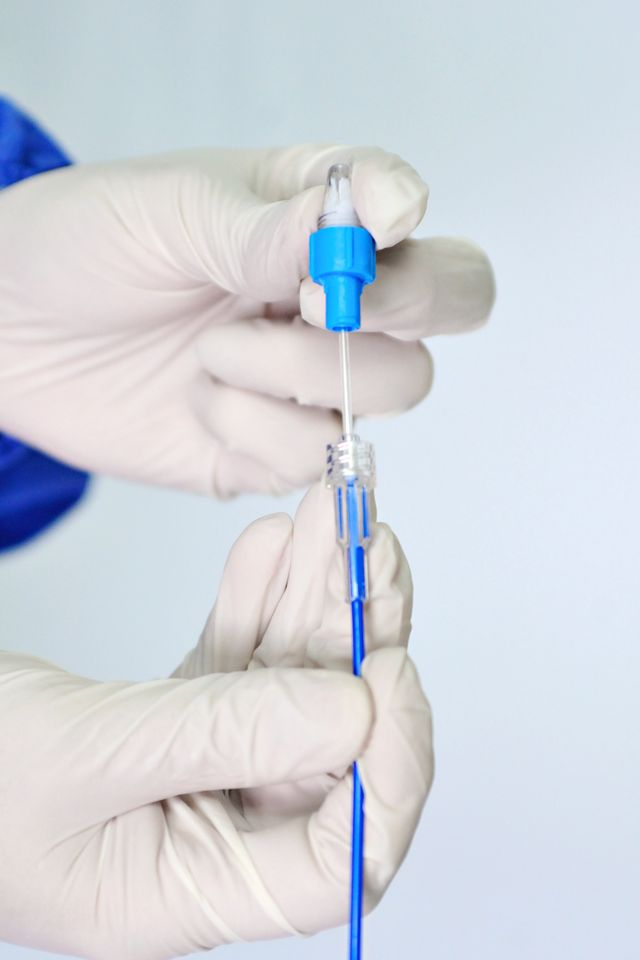
An intravenous (IV) catheter is a thin, flexible tube inserted into a vein to provide vascular access. Peripheral IV catheters are commonly inserted into veins in the hand or arm, while other catheter types may be placed in larger veins when treatment requirements call for central venous access.
Many peripheral IV catheters feature a small introducer needle that helps guide the catheter into the vein. After insertion, the needle is removed, leaving the flexible catheter in place. The catheter can then be conn
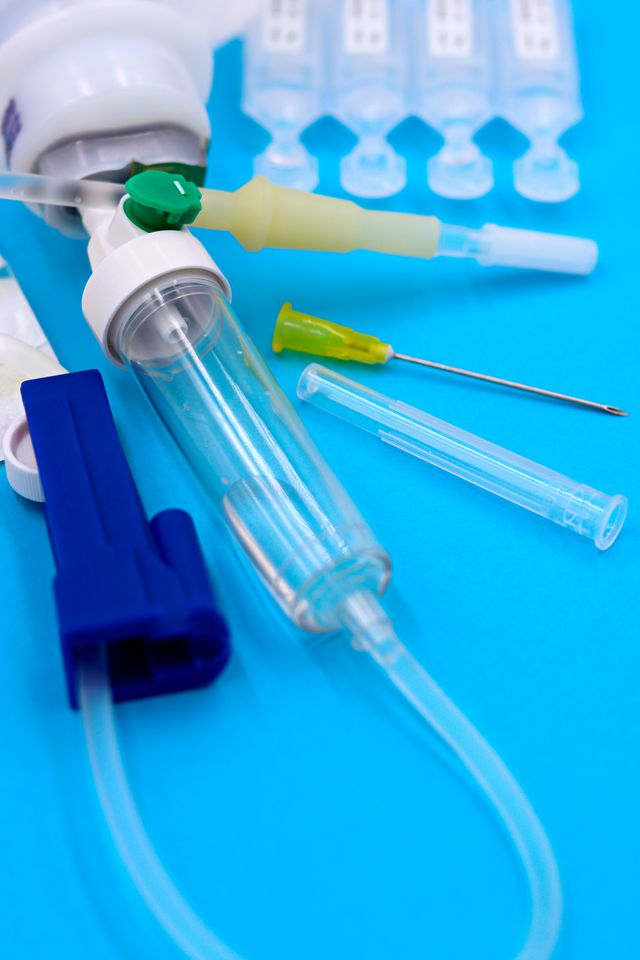
ected to compatible IV tubing, an infusion set or another appropriate medical access device.
The catheter allows healthcare professionals to administer prescribed fluids and medications without repeatedly inserting a needle for each treatment. Depending on the device and clinical situation, it may also be used for blood sampling.
Common Types of Intravenous Catheters
Different catheter designs are intended for different vascular access needs. The selection should be based on clinical assessment, treatment requirements and relevant healthcare protocols.
1. Peripheral IV Catheters
Peripheral IV catheters are among the most frequently used devices for short-term intravenous therapy. They are generally inserted into a peripheral vein, often in the hand or arm.
Common applications include:
-
Administering prescribed fluids and electrolytes.
-
Delivering compatible intravenous medications.
-
Providing access during surgery and recovery.
-
Supporting treatment in emergency and inpatient settings.
The catheter's gauge and length should be appropriate for the patient's vein, the prescribed therapy and the required flow rate.
2. Central Venous Catheters
Central venous catheters are designed to provide access to a large central vein. They may be used when treatment requires prolonged vascular access, particular infusion characteristics or administration of therapies that are unsuitable for a peripheral vein.
These devices are commonly used in intensive care, oncology and other specialised clinical environments. Placement requires appropriate training, sterile technique and clinical monitoring because complications can be serious.
3. Peripherally Inserted Central Catheters (PICCs)
A peripherally inserted central catheter, or PICC, is introduced through a vein in the arm and advanced until its tip reaches a central vein. PICCs may be selected when a patient requires an extended course of intravenous treatment.
Depending on the specific device and clinical plan, a PICC may support medication administration, fluid therapy and other prescribed treatments. Ongoing maintenance and monitoring are essential to reduce the risk of infection, blockage and catheter-related complications.
4. Midline Catheters
Midline catheters are inserted into a peripheral vein, usually in the upper arm, with the tip remaining outside the central veins. They can provide vascular access for selected treatments that may be unsuitable for repeated short peripheral cannulation.
A midline catheter is not the same as a PICC. The two devices have different tip locations and are appropriate for different types of therapy. Medication compatibility and expected treatment duration must be assessed before choosing either option.
Understanding IV Catheter Gauge and Size
IV catheters are available in different gauges and lengths. Gauge refers to the catheter's approximate diameter, and the gauge-number relationship is counterintuitive: a lower gauge number generally indicates a larger diameter.
Catheter size affects the potential flow rate, but it is not the only factor that determines performance. Tubing, fluid properties, catheter length, vein characteristics and clinical conditions also play a role.
|
Catheter size |
General considerations |
|---|---|
|
14G–16G |
Large-bore access that may be required in selected emergency or rapid-fluid-administration situations |
|
18G |
May be used when relatively high flow rates are required, including certain surgical settings |
|
20G |
Commonly used for routine adult IV therapy when suitable for the patient and treatment |
|
22G |
May be appropriate for smaller or fragile veins and selected patient groups |
|
24G |
Often considered for paediatric patients or patients with particularly small veins |
These are general examples rather than universal rules. The appropriate catheter must be selected by a qualified healthcare professional according to the patient's needs and the intended therapy.
Materials Used in IV Catheters
The material used to manufacture an IV catheter can affect its flexibility, handling characteristics and suitability for different clinical applications.
Polyurethane
Polyurethane is used in many vascular access devices. Depending on its formulation and design, it can provide a balance of flexibility, strength and durability.
Fluorinated polymers and other specialised materials
Certain vascular access devices use specialised polymers selected for specific performance characteristics. Material choice varies by catheter type, manufacturer and intended application.
Material and compatibility considerations
When evaluating an IV catheter, healthcare teams should consider the manufacturer's specifications, intended use, compatibility with associated equipment and applicable regulatory requirements. Material alone does not establish that a catheter is suitable for every patient or infusion.
Common Medical Uses of IV Catheters
Intravenous catheters support numerous procedures and treatment plans across healthcare settings.
Fluid and electrolyte administration
IV access can be used to deliver prescribed fluids and electrolytes when intravenous administration is clinically indicated.
Medication delivery
Some medications are administered intravenously when this route is appropriate for the treatment plan. The catheter and associated equipment must be compatible with the prescribed medication and infusion method.
Surgical and perioperative care
IV catheters are commonly used before, during and after surgical procedures to support the administration of fluids and medications as directed by the clinical team.
Emergency treatment
In emergency departments and other urgent-care environments, IV access can help clinicians administer time-sensitive treatments when indicated.
Extended treatment courses
Devices such as PICCs and selected central venous catheters may be used when patients require longer-term vascular access. Device choice depends on the treatment, the patient's condition and the expected duration of therapy.
Important Factors When Selecting an IV Catheter
Selecting an appropriate catheter requires consideration of the patient, the treatment and the environment in which the device will be used.
-
Clinical purpose: Identify the type of treatment and the vascular access required.
-
Patient characteristics: Consider age, vein condition, medical history and other relevant clinical factors.
-
Required flow rate: Select a catheter that can accommodate the intended infusion.
-
Expected duration: Determine whether short-term peripheral access or another type of catheter is more appropriate.
-
Material and design: Review product specifications, compatibility and intended use.
-
Safety requirements: Confirm that the device meets applicable standards and institutional protocols.
-
Availability and storage: Healthcare procurement teams should consider packaging, stock rotation, storage conditions and supply continuity.
The final choice should always be made by qualified healthcare professionals in accordance with clinical guidance and the manufacturer's instructions.
Safe Handling and Infection Prevention
IV catheter insertion and maintenance require careful attention to infection prevention. Incorrect insertion, poor maintenance or inappropriate device selection can lead to complications.
Important precautions include:
-
Perform hand hygiene before handling the catheter or related equipment.
-
Use aseptic technique during insertion and when accessing the device.
-
Prepare the insertion site using the recommended antiseptic procedure.
-
Secure the catheter appropriately to reduce movement and accidental dislodgement.
-
Inspect the site regularly for redness, swelling, pain, leakage or other signs of complications.
-
Maintain the device according to protocol, including dressing changes and flushing when indicated.
-
Remove the catheter when it is no longer needed or when clinical assessment indicates removal or replacement is necessary.
Only trained and authorised healthcare personnel should insert, access or manage IV catheters. Any suspected complication should be assessed promptly according to local clinical procedures.
Potential Complications of IV Catheters
Although IV catheters are widely used, they can be associated with complications. Understanding potential problems supports appropriate monitoring and timely intervention.
Phlebitis: Inflammation of the vein that may cause discomfort, redness or tenderness around the insertion site.
Infiltration: Leakage of a non-vesicant IV solution into the surrounding tissue when the catheter is no longer properly positioned within the vein.
Extravasation: Leakage of a vesicant or tissue-damaging medication into surrounding tissue, which may cause significant injury.
Catheter-related infection: Microorganisms can enter the body through the insertion site or catheter system, potentially causing local or more serious infections.
Occlusion: The catheter may become blocked, preventing appropriate flow.
Dislodgement: Movement of the catheter can affect its position and function.
Monitoring, proper technique, suitable device selection and adherence to clinical protocols help reduce risks. Suspected complications should be managed by qualified healthcare professionals.
IV Catheters in Healthcare Procurement
Hospitals, clinics and other healthcare facilities need a consistent process for sourcing and managing IV catheters. Procurement teams should assess more than unit price when comparing products.
Useful considerations include product specifications, available gauges and lengths, packaging configuration, sterility, shelf life, regulatory compliance, supplier documentation and compatibility with the facility's existing equipment.
Stock management is also important. Healthcare facilities should monitor usage, rotate stock according to expiry dates and store products under the conditions specified by the manufacturer. Procurement decisions should support clinical requirements while helping prevent shortages and unnecessary waste.
Conclusion
Intravenous (IV) catheters are important medical devices that provide vascular access for fluid administration, medication delivery and other prescribed treatments. Peripheral IV catheters, central venous catheters, PICCs and midline catheters serve different purposes, making appropriate selection essential.
Understanding catheter types, gauge sizes, materials and clinical applications helps healthcare teams make informed decisions. Equally important are aseptic insertion, routine monitoring, correct maintenance and timely management of complications. By following clinical protocols and manufacturer instructions, healthcare facilities can support safe and appropriate use of these essential medical consumables.
Frequently Asked Questions
1. What is an intravenous catheter used for?
An intravenous catheter provides access to a vein for administering prescribed fluids, medications and other treatments. Certain devices may also support blood sampling when appropriate.
2. What is the difference between a peripheral IV catheter and a central venous catheter?
A peripheral IV catheter is placed in a vein away from the body's central veins, commonly in the hand or arm. A central venous catheter has its tip positioned in a large central vein and is used for specific treatment requirements.
3. What does the gauge of an IV catheter mean?
Gauge describes the approximate diameter of the catheter. A lower gauge number generally indicates a wider catheter, which may allow a higher flow rate under suitable conditions.
4. How long can an IV catheter remain in place?
The duration depends on the catheter type, the patient's condition, the treatment and clinical guidelines. The insertion site and device must be monitored, and the catheter should be removed when it is no longer needed or when clinical assessment requires it.
5. What precautions are important when using IV catheters?
Key precautions include hand hygiene, aseptic technique, appropriate site preparation, securement, regular inspection and maintenance according to clinical protocols and manufacturer instructions.
6. Are all IV catheters suitable for every medication?
No. Suitability depends on the medication, concentration, infusion requirements, catheter type and relevant clinical guidance. Healthcare professionals must confirm compatibility before administration.

Livingstone International is a trusted partner for aged care, healthcare, beauty, dental, medical, food, veterinary, cleaning, tattoo, pharmacy, hospital, school, and science supplies. We packaging are offering over 65,000 products globally, with $48 million in stock across six warehouses, ensuring prompt delivery by eliminating backorders. Visit us: https://www.livingstone.com.au












Comments (0)