

How Can Home Security Guard Services Keep Your Property Safe?

Why Home Security Guard Services Matter Today
A home should feel like a place where you can relax, not somewhere you constantly worry about. But for many homeowners, security concerns are real. Maybe the property is in a quiet neighborhood, has several entry points, or sits empty for long hours while the family is away. Sometimes, even a good alarm system doesn't provide enough peace of mind. That's where home security guard services can make a difference.
Having a trained security guard on-site adds a human presence that cameras and electronic systems cannot fully replace. A guard can observe activity, check visitors, monitor access points, and respond to suspicious behavior according to established procedures. It's a practical layer of protection, especially for larger homes, private estates, and properties that need more attention than a basic alarm can provide.
What Do Home Security Guards Actually Do?
Residential security is not just about standing near the front door and looking serious. Good guards have responsibilities, and those duties depend on the property's layout and the homeowner's concerns. They may monitor entrances, check gates, observe driveways, verify visitors, and keep an eye on areas that are difficult to see from inside the home.
A security guard may also conduct routine property checks and document unusual activity. If an unfamiliar vehicle keeps appearing or a gate has been left open, those details deserve attention. Small things can matter.
Professional guards follow clear instructions about when to report an incident, contact emergency services, or escalate a concern. They also need to understand privacy. Protecting a home shouldn't mean making residents or legitimate visitors feel uncomfortable every time they enter the property.
How Uniformed Security Services Improve Residential Protection
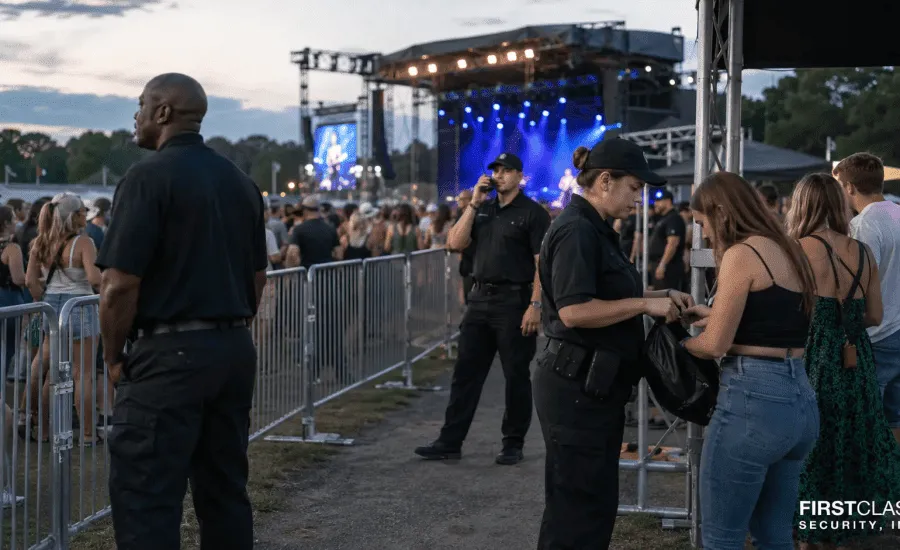
Visible security can discourage unwanted activity before it develops into a bigger problem. Uniformed security services provide a recognizable presence that lets residents, visitors, and service providers know security personnel are on duty. For some properties, that visibility alone can help discourage trespassing, theft, and unauthorized access.
Uniformed guards can also help establish a more organized entry process. They may verify expected visitors, communicate with residents, and direct deliveries to the appropriate location. This is particularly useful for gated communities, private residences with frequent visitors, and homes where contractors regularly come and go.
Of course, a uniform by itself doesn't guarantee safety. Training, judgment, communication, and consistency matter just as much. A professional guard should know how to handle a difficult situation without turning every small disagreement into a confrontation. That's part of the job, too.
Choosing Between On-Site Guards and Mobile Patrols
Not every home needs a security guard standing outside throughout the day. The right arrangement depends on the property's size, daily routine, location, and risk level. Some homeowners benefit from a dedicated on-site guard, while others may find scheduled residential patrols more suitable.
On-site coverage provides a consistent security presence at a specific property. Guards can monitor access, observe activity, and become familiar with normal routines. Mobile patrols, on the other hand, allow security personnel to check the property at scheduled or varied intervals, depending on the agreed service plan.
For a large estate or a property that frequently sits vacant, dedicated coverage may be worth considering. A smaller residence might need a different approach. There isn't one perfect solution for everyone, and homeowners should be wary of anyone who claims otherwise. Start with the actual security concerns, then choose the service that addresses them.
When Should Homeowners Consider Professional Security?
There are several situations where hiring residential security makes sense. A family may be planning an extended vacation, moving into a new property, hosting a private gathering, or dealing with repeated trespassing concerns. Some homeowners also want additional protection because they have valuable assets on-site or require controlled access to their property.
Home security guard services can be arranged around specific needs, depending on the provider's availability and service options. Temporary coverage may suit a short-term concern, while ongoing protection can provide a consistent presence for households that need it regularly.
The important thing is to explain the situation clearly before hiring a provider. Discuss the property's access points, expected visitors, coverage hours, emergency procedures, and any particular concerns. Don't assume every security company offers the same level of service. Ask questions and get the responsibilities in writing.
Combining Security Guards With Modern Technology
Technology has a useful role in residential protection, but it works best when people know how to use the information it provides. Security cameras can record activity around entrances and driveways. Alarm systems can signal possible intrusions, while motion-activated lighting can make certain areas easier to observe after dark.
A trained guard can complement these systems by checking reported concerns, observing the surrounding area, and following the property's response procedures. For example, a camera might capture movement near a side entrance late at night. A guard can assess the situation from a safe position and take appropriate action rather than relying entirely on a recording after the incident.
Communication is essential here. Security personnel should understand the equipment, know who to contact when an alert occurs, and respect the privacy of residents. More technology doesn't automatically mean better protection. It needs to support a clear plan.
How to Choose a Reliable Residential Security Provider
Before hiring a company, look beyond the sales pitch. Ask about guard training, licensing requirements applicable in your area, supervision, incident reporting, and emergency response procedures. Find out how the company selects personnel and whether it can provide references or explain its experience with residential assignments.
It also helps to discuss how guards will interact with household members, guests, delivery workers, and contractors. Security should be firm when necessary, but it shouldn't make ordinary life unnecessarily difficult. Professionalism shows up in those everyday interactions.
Make sure the service agreement explains the coverage schedule, responsibilities, communication process, and any additional charges. A low price may look attractive initially, but unclear expectations can cause trouble later. You want a provider that understands the assignment, not one that simply promises to keep an eye on things.
Conclusion: Make Home Protection a Practical Priority
Home security guard services can provide an added layer of protection through visible presence, access monitoring, property checks, and timely reporting. When combined with suitable technology and a clear security plan, professional guards can help homeowners feel more confident about their property's safety. Uniformed security services are particularly useful when a recognizable, consistent presence is important.
Still, good residential security starts with understanding the risks. Every property is different, and the service should reflect that. Take time to assess your needs, ask direct questions, and choose trained professionals who take their responsibilities seriously. A safer home isn't built on promises alone. It's built on preparation, awareness, and people who know what to do when something doesn't look right.













Comments (0)