

UFE Treatment Options: Understanding Minimally Invasive Fibroid Care
Explore UFE Treatment Options for uterine fibroids, including how the minimally invasive procedure works, its potential benefits, recovery, and alternatives.

Uterine fibroids are noncancerous growths that develop in or around the uterus. They can affect women differently, with symptoms ranging from heavy menstrual bleeding and pelvic pressure to frequent urination and abdominal discomfort. Understanding the available treatment options can help women make informed decisions about their health.
UFE Treatment Options include minimally invasive approaches that may help manage fibroid symptoms without traditional surgery. Uterine Fibroid Embolization (UFE) is one option that aims to reduce fibroid size by limiting the blood supply that allows these growths to develop. It may be suitable for women who want to explore alternatives to procedures such as a hysterectomy.
Understanding Uterine Fibroids
Fibroids vary in size, number, and location. Some women have no noticeable symptoms, while others experience symptoms that interfere with everyday activities. Common signs include prolonged menstrual periods, heavy bleeding, pelvic discomfort, lower back pain, and pressure on the bladder.
The appropriate treatment depends on several factors, including the severity of symptoms, fibroid characteristics, medical history, and future pregnancy plans. A healthcare professional can evaluate these factors and explain which approaches may be appropriate.
What Is Uterine Fibroid Embolization?
Uterine Fibroid Embolization is a minimally invasive procedure performed by a specially trained physician, commonly an interventional radiologist. Instead of surgically removing fibroids, the procedure reduces their blood supply, causing them to shrink over time.
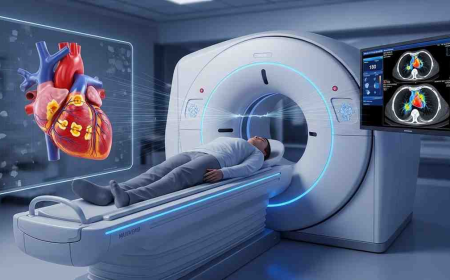
During UFE, a physician inserts a thin catheter into an artery, usually through a small puncture in the wrist or groin. Using imaging guidance, the catheter is directed to the arteries supplying the fibroids. Tiny particles are then released to block the targeted blood vessels.
Because UFE does not require a large surgical incision, recovery may be shorter than recovery from major surgery. However, individual experiences vary, and patients should discuss potential benefits and risks with their treating physician.
Who May Benefit from UFE?
UFE may be considered by women experiencing symptoms caused by uterine fibroids who want a treatment option that does not involve surgically removing the uterus. It may help address heavy menstrual bleeding, pelvic pressure, and other symptoms associated with fibroids.
However, UFE is not appropriate for every patient. The size and location of fibroids, the presence of other gynecological conditions, and a woman's reproductive goals all influence treatment decisions.
Women who wish to become pregnant in the future should discuss fertility considerations carefully with their healthcare provider. Pregnancy after UFE is possible, but its effects on fertility and pregnancy outcomes require individualized counseling.
Comparing UFE with Other Treatment Options
Several approaches are available for managing uterine fibroids.
Medication: Certain medications can help control heavy bleeding, reduce pain, or temporarily manage fibroid-related symptoms. Some treatments may also reduce fibroid size for a limited period.
Myomectomy: This surgical procedure removes fibroids while preserving the uterus. It may be considered by women who wish to retain the possibility of pregnancy, although fibroids can sometimes return.
Hysterectomy: This operation removes the uterus and permanently eliminates the possibility of uterine fibroids recurring. It also ends the ability to carry a pregnancy.
Uterine Fibroid Embolization: UFE targets the blood supply to fibroids without removing the uterus. It offers a minimally invasive alternative for appropriately selected patients.
Each treatment has different benefits, limitations, and recovery expectations. The best choice depends on a patient's symptoms, preferences, and overall health.
What to Expect During Recovery?
After UFE, patients may experience pelvic cramping, fatigue, nausea, or a mild fever. These symptoms can occur as the body responds to the reduction in blood supply to the fibroids. Physicians may recommend medication to help manage discomfort and provide instructions for recovery at home.
Many patients return to routine activities within one to two weeks, although recovery times differ. Fibroids generally shrink gradually over several months, so symptom improvement may not be immediate.
Following post-procedure instructions and attending scheduled appointments are important for monitoring recovery. Severe or worsening pain, persistent fever, heavy bleeding, or other concerning symptoms should be reported promptly to a healthcare professional.
Making an Informed Treatment Decision
Choosing a fibroid treatment begins with an accurate diagnosis and a clear understanding of individual health needs. Imaging tests, symptom evaluation, and a review of medical history can help determine the most suitable approach.
Women should ask their physicians about expected outcomes, possible complications, recovery time, and how each treatment may affect future pregnancy plans. Understanding these details makes it easier to compare options and establish realistic expectations.
USA Fibroid Centers provides information about uterine fibroids and minimally invasive treatment approaches, helping patients explore available care and prepare questions for their medical consultations.
Taking the time to understand available treatments can help women make confident, informed decisions about managing fibroid symptoms and improving their quality of life.

Fibroid Treatment Expert











Comments (0)