

Chemical Peels in Dubai for Uneven Skin Tone
Discover how chemical peels in Dubai may improve uneven skin tone, dark spots, sun damage, and post-acne pigmentation. Explore treatment options and essential skincare tips.
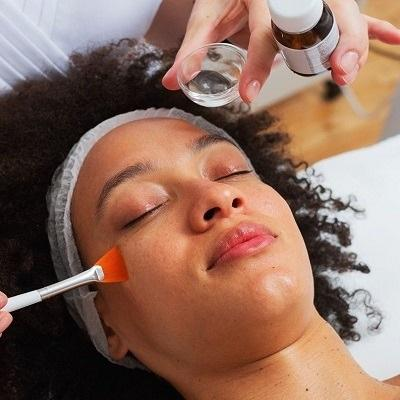
Uneven skin tone is a common concern that can develop gradually due to sun exposure, hormonal changes, acne, and inflammation. Some areas of the face may appear darker than others, while lingering blemishes can make the complexion look patchy. Although skincare products can help manage certain concerns, persistent discoloration may require a more targeted approach.
Chemical Peels in Dubai (التقشير الكيميائي في دبي) offer a treatment option for people who want to improve the appearance of selected pigmentation concerns and achieve a more balanced-looking complexion. By encouraging controlled exfoliation, certain peeling solutions can help reduce superficial discoloration and improve skin texture. Understanding the cause of uneven pigmentation is essential because different types of dark spots respond differently to treatment.
What Causes Uneven Skin Tone?
Uneven skin tone develops when pigmentation varies across different areas of the skin. The reasons behind these changes can differ from person to person, making it important to identify the underlying cause before selecting a treatment.
Sun Exposure and UV Damage
Ultraviolet radiation can stimulate melanin production, contributing to dark spots, freckles, and uneven pigmentation. Repeated exposure without adequate protection may make existing discoloration more noticeable and encourage additional spots to develop.
People living in sunny climates such as Dubai should pay particular attention to daily sun protection, especially when using exfoliating skincare products.
Post-Inflammatory Hyperpigmentation
Post-inflammatory hyperpigmentation occurs when the skin develops darker marks after inflammation or injury. Acne, irritation, insect bites, and certain cosmetic treatments can contribute to these changes.
These marks may gradually fade, but the process can take months or longer. Inappropriate exfoliation can cause further inflammation and potentially deepen the discoloration.
Hormonal Pigmentation
Melasma is a pigmentation condition that commonly appears as brown or grey-brown patches, particularly on the cheeks, forehead, and upper lip. Hormonal influences and sunlight can contribute to its development.
Melasma can be difficult to manage and may return even after improvement. Chemical peels are not suitable for every case, and treatment should be selected carefully to avoid triggering additional pigmentation.
Natural Ageing and Environmental Factors
As skin changes with age, sun-related spots and uneven pigmentation may become more noticeable. Environmental exposure and changes in the skin's natural renewal process can also influence the complexion's appearance.
A consistent skincare routine and appropriate sun protection can help manage these concerns, while selected treatments may offer additional improvement.
How Chemical Peels Help Improve Uneven Skin Tone
Chemical peels use exfoliating solutions to remove cells from the skin's outer layers. Depending on the ingredient and treatment depth, this process may help reduce superficial discoloration, improve roughness, and create a more even-looking complexion.
Some peeling agents also influence the appearance of pigmentation by promoting skin renewal. However, the effectiveness of a peel depends on the type of discoloration, skin tone, treatment formulation, and individual response.
A chemical peel does not eliminate every pigmentation condition, and deeper or persistent discoloration may require a broader treatment plan.
Types of Chemical Peels for Pigmentation Concerns
Glycolic Acid Peels
Glycolic acid is an alpha hydroxy acid that helps exfoliate the skin's surface. It may be used to improve dullness, uneven texture, and selected superficial pigmentation concerns.
The concentration and application method influence both the potential results and the risk of irritation. Stronger formulations require careful assessment because excessive inflammation may worsen dark spots.
Lactic Acid Peels
Lactic acid is another alpha hydroxy acid used in exfoliating treatments. Certain formulations may help improve surface roughness and mild discoloration while supporting a gradual skin-renewal process.
Its suitability depends on the skin's sensitivity, the concentration used, and the pigmentation concern being addressed.
Salicylic Acid Peels
Salicylic acid is particularly associated with oily and acne-prone skin. It may help reduce pore congestion and improve the appearance of some acne-related marks.
Although it can be useful when pigmentation occurs alongside acne, it is not automatically the best option for every dark spot or pigmentation condition.
Other Depigmenting Formulations
Some professional peeling solutions combine exfoliating ingredients with other agents intended to address discoloration. These formulations may be considered for selected pigmentation concerns, but their suitability depends on skin type, medical history, and the risk of adverse reactions.
No single peel works equally well for all forms of pigmentation.
Chemical Peels in Dubai: Why Skin Type Matters
Skin tone and sensitivity play important roles in selecting an appropriate chemical peel. People with medium or deep skin tones may be more susceptible to post-inflammatory hyperpigmentation following irritation or injury.
This does not mean chemical peels are automatically unsuitable for darker skin. Instead, careful ingredient selection, appropriate treatment depth, and conservative application can help reduce avoidable risks.
A history of melasma, previous reactions to exfoliants, active irritation, and recent sun exposure should also be considered. A treatment that is too aggressive may produce more discoloration rather than the desired improvement.
What Results Can You Expect?
The outcome depends on the type and depth of pigmentation being treated. Superficial dark marks may improve gradually as the skin renews itself, while deeper or hormonally influenced pigmentation can be more persistent.
Some people may benefit from a planned series of treatments, while others may need alternative approaches. Visible improvement is not always immediate, and temporary redness or flaking can occur during recovery.
It is also important to understand that reducing existing pigmentation does not prevent new spots from forming. Ongoing sun exposure and hormonal influences may contribute to recurrence.
Realistic expectations and consistent skincare are essential for maintaining improvements.
Preparing Your Skin Before a Chemical Peel
Review Your Skincare Routine
Products containing retinoids, exfoliating acids, or other active ingredients can increase skin sensitivity. Discuss your routine before treatment so that any necessary changes can be made safely.
Avoid stopping prescribed medication without appropriate medical advice.
Avoid Recent Skin Irritation
Scrubbing, waxing, and using multiple exfoliating products can irritate the skin before a peel. Treatment should generally be postponed if the skin is sunburned, damaged, or unusually inflamed.
Maintain Sun Protection
Limit unnecessary sun exposure and use broad-spectrum sunscreen with SPF 30 or higher. Protective clothing and shade can provide additional support, particularly during periods of intense sunlight.
Preparing the skin appropriately can help reduce avoidable irritation and support recovery.
Aftercare Tips for More Even-Looking Skin
Use a Gentle Cleanser
Choose a mild cleanser that removes impurities without stripping the skin. Avoid abrasive scrubs and harsh cleansing products while the skin is recovering.
Moisturize Regularly
A suitable moisturizer helps support the skin barrier and reduce dryness. Products containing ingredients such as glycerin or ceramides may be useful, depending on individual tolerance.
Avoid Picking Flaky Skin
Peeling and dryness can occur after treatment. Pulling away loose skin can cause additional inflammation and increase the risk of discoloration or scarring. Allow the skin to shed naturally.
Apply Sunscreen Every Day
Broad-spectrum SPF 30 or higher is essential for protecting the skin against ultraviolet exposure. Reapply as directed, particularly when spending extended periods outdoors.
Consistent sun protection is one of the most important steps in preventing pigmentation from becoming darker or recurring after treatment.
Introduce Active Products Gradually
Avoid restarting strong exfoliants or retinoids before the skin has recovered. Follow the recommended aftercare instructions and reintroduce products only when appropriate.
Can Chemical Peels Make Pigmentation Worse?
Yes, inappropriate chemical exfoliation can sometimes worsen pigmentation. Excessive strength, incorrect application, inadequate recovery, and continued sun exposure can trigger inflammation that leads to darker marks.
This risk is particularly important for people who have melasma or a history of post-inflammatory hyperpigmentation. More aggressive treatment is not necessarily more effective and may create additional skin concerns.
Seek medical advice if pigmentation worsens significantly or if severe redness, blistering, pain, or swelling develops after a peel.
Chemical Peels and Other Options for Uneven Skin Tone
Chemical peels are one possible approach to managing uneven pigmentation, but they are not the only option. Depending on the cause, a skincare plan may include topical ingredients such as azelaic acid, vitamin C, or other pigmentation-focused products.
Some people may benefit from carefully selected laser or light-based procedures, although these treatments also carry risks and are not appropriate for every skin tone or pigmentation condition.
For melasma, long-term management often involves a combination of sun protection and suitable topical treatments. Identifying the underlying cause helps determine which approach is most likely to provide meaningful improvement.
Maintaining a More Balanced Complexion
Long-term improvement requires consistency. Gentle cleansing, regular moisturization, appropriate skincare ingredients, and daily sun protection can help support a more even-looking complexion.
Avoid frequently changing products or combining multiple strong exfoliants in an attempt to speed up results. Over-treatment can damage the skin barrier and make pigmentation more difficult to manage.
If dark spots persist, spread, change in appearance, or fail to respond to routine skincare, seek an appropriate professional assessment before trying stronger treatments.
Final Thoughts
Uneven skin tone can develop for several reasons, including sun exposure, hormonal changes, acne, and inflammation. Chemical peels may help improve selected superficial pigmentation concerns when the ingredients and treatment depth are matched to individual skin needs. Anyone considering Chemical Peels in Dubai should understand the potential benefits, recovery requirements, and possibility of pigmentation changes before proceeding. TAJMEELS DUBAI عيادة تجميل can be considered when exploring aesthetic skincare options, with the priority remaining a suitable treatment approach, realistic expectations, and consistent sun protection.

Provide health services











Comments (0)