

Liposuction Surgery in Dubai: Benefits and Risks
Learn about liposuction surgery in Dubai, including its benefits, potential risks, recovery expectations, fat removal techniques, and long-term results.
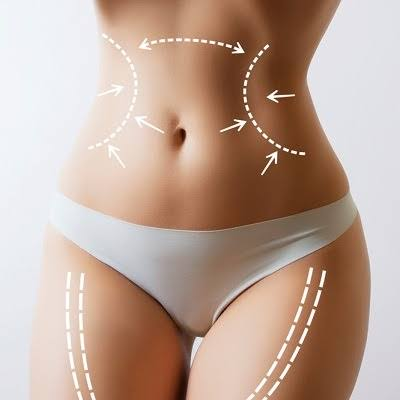
Liposuction surgery in Dubai (جراحة شفط الدهون في دبي) is an option for people who want to reduce stubborn fat deposits and achieve more defined body contours. Areas such as the abdomen, thighs, arms, back, and chin may retain fat despite regular exercise and a balanced diet. This procedure focuses on reshaping specific parts of the body rather than producing significant overall weight loss. Understanding the potential benefits, possible complications, and recovery process can help individuals make informed decisions about their body-contouring goals.
What Is Liposuction Surgery?
Liposuction is a surgical procedure that removes excess fat from selected areas using a thin tube called a cannula. The cannula is inserted through small incisions to loosen and remove fat, helping improve the proportions of the treated area.
People may consider this treatment when localized fat deposits affect their desired body shape. However, the outcome depends on skin elasticity, body composition, the amount of fat removed, and individual healing.
Benefits of Liposuction Surgery in Dubai
Reduces Stubborn Fat Deposits
One of the main benefits of liposuction is its ability to target localized fat that may be resistant to lifestyle changes. Common treatment areas include the abdomen, hips, thighs, upper arms, and back.
Removing fat from these areas can help create a more balanced appearance. The amount of improvement varies according to individual anatomy and the treatment plan.
Improves Body Contours
Liposuction focuses on reshaping specific areas rather than simply reducing body weight. By removing selected fat deposits, it may create more noticeable definition around the waist, abdomen, and other treated areas.
The aim is to achieve proportions that suit the individual's natural body structure rather than an unrealistic or identical result for everyone.
Offers Long-Lasting Fat Reduction
The fat cells removed during liposuction do not grow back. However, remaining fat cells can expand if a person gains weight after surgery.
Maintaining a stable weight through regular physical activity and balanced nutrition can help preserve the results over time.
Can Treat Multiple Body Areas
Depending on medical suitability and the planned procedure, liposuction may be used to treat more than one area. These may include the abdomen, flanks, thighs, arms, or back.
The number of areas treated during one operation depends on safety considerations, the expected surgical duration, and the individual's overall health.
Supports Individual Body-Contouring Goals
People have different reasons for considering fat removal. Some want a more defined waistline, while others wish to reduce fullness in their upper arms or thighs.
A personalized approach helps establish achievable goals and determines whether liposuction is suitable for the areas of concern.
Potential Risks of Liposuction Surgery
Although liposuction is a commonly performed surgical procedure, it is not free from risks. Understanding possible complications is an important part of deciding whether treatment is appropriate.
Swelling and Bruising
Swelling, bruising, tenderness, and temporary discomfort are common after surgery. These effects generally improve as healing progresses, although some swelling can persist for weeks or months.
Following postoperative instructions and wearing a compression garment when recommended may help manage swelling.
Uneven Body Contours
The treated area may appear uneven, asymmetrical, or irregular after fat removal. The risk can be influenced by skin elasticity, fat distribution, surgical technique, and the healing process.
Some irregularities improve as swelling settles, while persistent concerns may require further assessment.
Infection and Delayed Healing
Small incisions are necessary during liposuction, and infections or delayed wound healing can occur. Proper wound care and following the recommended recovery plan help reduce avoidable complications.
Increasing redness, worsening pain, fever, or unusual discharge from an incision should be assessed promptly by a qualified medical professional.
Changes in Skin Sensation
Temporary numbness, tingling, or altered sensation may occur in the treated area. In some cases, these changes can last longer than expected.
Skin elasticity also affects the final appearance. Liposuction removes fat but does not necessarily correct loose or sagging skin.
Serious Surgical Complications
Rare but serious complications can include blood clots, damage to deeper tissues, fluid-related problems, and complications associated with anesthesia. Risk varies depending on the person's medical history, the extent of the procedure, and other individual factors.
A proper medical assessment and an appropriately equipped surgical facility are important for reducing and managing these risks.
Who May Be Suitable for Liposuction?
Liposuction may be suitable for adults who are in reasonably good health, have localized fat deposits, and maintain a relatively stable weight. People with good skin elasticity may achieve smoother contours following fat removal.
It is generally not intended for significant weight loss or as a treatment for obesity. Individuals with substantial excess skin may need a different procedure to achieve their desired outcome.
Medical conditions, smoking, certain medications, and previous surgeries may influence suitability. A qualified surgical professional should review these factors before recommending treatment.
How to Reduce the Risks of Liposuction
Choose an Appropriate Surgical Setting
The procedure should be performed by a properly qualified and licensed surgical professional in a suitable medical facility. Understanding the professional's credentials and the facility's safety standards is an important part of preparation.
Discuss Your Medical History
Before surgery, disclose relevant medical conditions, allergies, medications, supplements, and previous procedures. This information helps the surgical team evaluate potential risks and plan appropriate care.
Follow Preoperative Instructions
Instructions may cover eating and drinking before anesthesia, medication adjustments, smoking cessation, and arrangements for transportation and support after surgery. Medication changes should only be made according to the treating professional's advice.
Follow Postoperative Guidance
After surgery, follow instructions concerning wound care, compression garments, movement, medication, and follow-up appointments. Gentle walking is often encouraged when appropriate, while strenuous activities may need to be postponed.
Seek emergency medical care if you develop chest pain, sudden shortness of breath, fainting, or other severe or rapidly worsening symptoms after surgery.
Liposuction Techniques and Their Differences
Several techniques may be used for fat removal, depending on the treatment area and individual needs.
Traditional Liposuction
Traditional liposuction uses a cannula to loosen and remove fat. It can be used to treat various body areas and remains an established surgical approach.
VASER Liposuction
VASER liposuction uses ultrasound energy to help separate fat before removal. It may be considered for selected body-contouring procedures, but suitability and results depend on individual anatomy and surgical planning.
Laser-Assisted Liposuction
Laser-assisted liposuction uses laser energy as part of the fat-removal process. Its effects on skin tightening vary, and it should not be assumed to eliminate significant loose skin.
No single technique is best for everyone. The appropriate method depends on the person's goals, anatomy, medical history, and the professional's assessment.
What to Expect During Liposuction Recovery
Recovery depends on the number of areas treated, the amount of fat removed, and individual healing. Some people resume light daily activities relatively soon, while others require additional recovery time.
During the first few days, soreness, bruising, and swelling are common. Compression garments may be recommended to support the treated areas and help manage swelling.
Over the following weeks, discomfort generally improves, and body contours gradually become more visible. Residual swelling can take several months to resolve fully.
Follow the recommended schedule for returning to exercise, lifting heavy objects, and other strenuous activities. Final results should be evaluated after sufficient healing rather than immediately after surgery.
How to Maintain Your Results
Liposuction can provide long-lasting changes in the distribution of fat, but it does not prevent future weight gain. Healthy lifestyle habits remain important after treatment.
A balanced diet, consistent physical activity, adequate hydration, and regular sleep can support overall well-being and help maintain a stable weight. Avoid expecting liposuction to replace long-term weight management.
It is also important to understand that natural aging and changes in body weight can influence the appearance of the treated areas over time.
Frequently Asked Questions
Is liposuction surgery in Dubai safe?
Liposuction can be performed safely in appropriately selected patients, but no surgery is risk-free. Safety depends on medical suitability, the surgical professional's qualifications, the facility, and appropriate postoperative care.
Does liposuction permanently remove fat?
The fat cells removed during surgery are permanently removed. However, the remaining fat cells can enlarge with weight gain, which may change the results.
Can liposuction help with weight loss?
Liposuction is designed for localized fat reduction and body contouring rather than significant weight loss. It is not a substitute for a balanced diet, exercise, or medical treatment for obesity.
How long does it take to see results?
Initial changes may become noticeable as swelling improves, but the final body contours can take several weeks to months to emerge.
Can liposuction remove loose skin?
Liposuction primarily removes fat. It does not reliably correct significant excess skin, and people with reduced skin elasticity may need to discuss alternative or additional procedures.
Conclusion
Liposuction surgery in Dubai may help reduce stubborn fat deposits and improve body contours for individuals who meet the appropriate medical criteria. Its benefits include targeted fat removal and potentially long-lasting changes, while its risks include swelling, bruising, uneven contours, infection, and rare serious complications. Understanding the procedure, choosing an appropriate surgical setting, and following recovery instructions are essential steps toward informed decision-making. TAJMEELS DUBAI عيادة تجميل can be a starting point for exploring body-contouring options and seeking personalized guidance about treatment suitability, expected outcomes, and recovery requirements.

Provide health services










Comments (0)