

Choosing the Right Surgical Gel Pads for Better Patient Comfort and Support
Learn how to choose the right surgical gel pads to improve patient comfort, provide proper body support, maintain positioning, and help reduce pressure injuries during surgery.

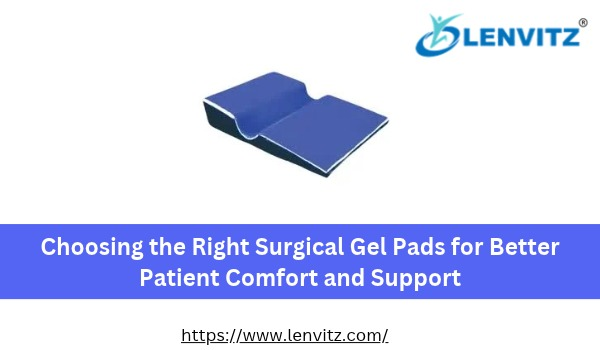
Surgical procedures often require patients to remain in the same position for a long time. During this period, pressure can build up around sensitive areas of the body, potentially causing discomfort or pressure-related injuries. Proper positioning and suitable support equipment are important for helping patients remain stable and comfortable throughout surgery.
Whether a patient is lying on their back, side, or in the lithotomy position, the right positioning equipment can make a meaningful difference. Lithotomy position gel pads, supine position gel pads, and lateral position gel pads are designed to provide cushioning and support for different surgical requirements.
Understanding how these products work can help hospitals and healthcare professionals choose appropriate positioning solutions for their operating rooms.
Why Proper Patient Positioning Matters During Surgery
Patient positioning is an essential part of surgical preparation. It helps provide the surgeon with access to the required area while supporting the patient's body throughout the procedure.
However, different positions place pressure on different parts of the body.
-
In the supine position, the patient lies on their back, which may place pressure on the head, shoulders, elbows, sacrum, and heels.
-
In the lateral position, the patient lies on their side, placing pressure on areas such as the shoulder, hip, and knees.
-
In the lithotomy position, the patient's legs are elevated and supported, requiring careful attention to leg alignment, pressure points, and circulation.
Using suitable gel supports can help distribute pressure and maintain a more stable positioning arrangement.
How Lithotomy Position Gel Pads Support Patients
The lithotomy position is commonly used during certain gynecological, urological, and colorectal procedures. In this position, the patient's legs are raised and supported using appropriate leg holders.
1. Provide Cushioning for the Legs
Lithotomy position gel pads can provide cushioning between the patient's legs and the supporting equipment. This helps reduce direct contact with hard surfaces and supports pressure redistribution.
2. Support Proper Leg Alignment
The patient's legs should be positioned carefully to avoid unnecessary strain or compression. Suitable gel pads can help provide support around the calves and other contact areas, depending on the leg holder design.
Healthcare professionals should ensure that the positioning equipment is compatible with the operating table and leg supports.
3. Help Protect Sensitive Areas
The legs contain nerves and blood vessels that may be affected by prolonged pressure or incorrect positioning. Appropriate supports, careful positioning, and regular assessment can help reduce positioning-related risks.
Lithotomy position gel pads should be selected as part of a complete positioning plan rather than used as a substitute for clinical monitoring.
Choosing Supine Position Gel Pads for Better Support
The supine position is one of the most frequently used surgical positions. Patients lie on their backs while the surgical team performs procedures involving the abdomen, chest, or other parts of the body.
1. Support Pressure-Sensitive Areas
Supine position gel pads provide cushioning for areas that remain in contact with the operating table, such as the shoulders, elbows, back, and heels.
Appropriate support can help redistribute pressure and reduce direct contact with hard surfaces.
2. Improve Patient Stability
A properly selected gel pad can help create a stable positioning surface. This is important when patients need to remain still during lengthy procedures.
Hospitals should consider the patient's body size, procedure duration, and specific positioning requirements when choosing supine position gel pads.
How a Lateral Positioner and Lateral Position Gel Pads Help
The lateral position is used when surgeons need access to one side of the patient's body. The patient lies on their side, which can increase pressure on the shoulder, hip, and other contact areas.
1. Provide Sideways Body Support
A lateral positioner is designed to help maintain the patient's side-lying position. It can provide support around the torso or other areas, depending on its shape and intended use.
2. Cushion Contact Areas
Lateral position gel pads provide cushioning around pressure-sensitive areas, helping distribute pressure between the patient's body and the operating table.
The positioning team should ensure that the supports maintain proper alignment without restricting breathing or circulation.
Conclusion
Every surgical position requires thoughtful planning and suitable patient support. Lithotomy position gel pads, supine position gel pads, and lateral position gel pads serve different purposes, depending on how the patient is positioned during surgery.
By choosing the right lateral positioner and other positioning supports, healthcare professionals can help improve patient stability, redistribute pressure, and create a more supportive surgical environment. Proper equipment selection, careful placement, and ongoing patient assessment remain essential for safe surgical positioning.













Comments (0)