

Darren Silverman: The Timeless Appeal of Underdogs, Laughter, and Human Connection
Darren Silverman: The Timeless Appeal of Underdogs, Laughter, and Human Connection
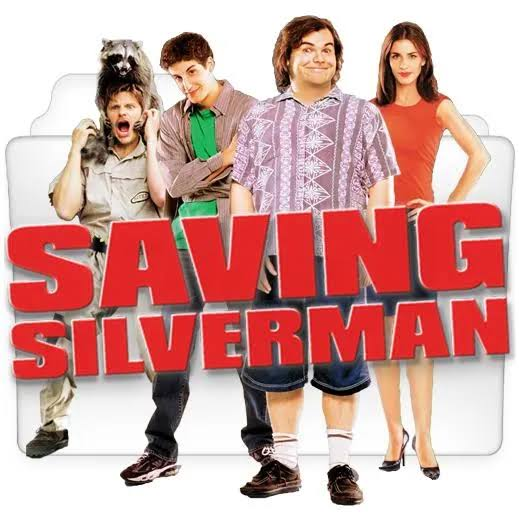
Some characters capture attention through extraordinary achievements, while others become memorable because they struggle with the same everyday challenges that audiences experience themselves. They make mistakes, find themselves in awkward situations, and occasionally turn a simple problem into a complicated adventure. Yet their imperfections often make them more appealing, not less. The enduring interest in Darren Silverman offers an opportunity to explore why underdog personalities and relatable humor continue to resonate with audiences across generations.
Comedy has always provided a unique way to examine human behavior. Through amusing situations and distinctive personalities, it reveals the insecurities, ambitions, and relationships that influence everyday life. The most effective comedic characters do more than generate laughter. They encourage audiences to recognize familiar experiences and appreciate the humor hidden within ordinary challenges.
Why Underdog Characters Capture Our Attention
Underdogs naturally inspire curiosity because their journeys involve uncertainty. Unlike characters who appear destined for success, they must work through obstacles without knowing whether their efforts will produce the desired outcome.
This uncertainty creates opportunities for both humor and emotional investment. A character might approach a difficult situation with excessive confidence, underestimate an obvious problem, or discover that a carefully prepared plan has unexpected consequences.
The lovable loser archetype builds on these experiences by combining personal shortcomings with qualities that audiences appreciate. Beneath the awkward behavior, a character may demonstrate kindness, loyalty, determination, or a genuine desire to improve.
The keyword Darren Silverman can be explored within this wider discussion of unconventional comedic personalities and the enduring appeal of characters who do not always fit traditional expectations.
Audiences often support these personalities because their experiences feel recognizable. Most people understand the frustration of making a mistake or the nervousness associated with trying something unfamiliar. Watching a character navigate similar challenges can make those feelings easier to understand and more enjoyable to revisit.
Everyday Awkwardness Creates Memorable Humor
Many memorable comedic moments begin with ordinary situations. A conversation becomes uncomfortable, a romantic gesture goes wrong, or an attempt to impress someone produces an unexpected result.
These situations are entertaining because they reveal the gap between intention and reality.
People frequently imagine how an interaction should unfold, but actual experiences rarely follow a perfect script. Nervousness interferes with carefully chosen words, misunderstandings complicate relationships, and overconfidence sometimes leads to unnecessary embarrassment.
Comedy exaggerates these experiences to create laughter.
The broader appeal of Darren Silverman connects naturally with discussions about character-driven humor and the entertainment value of recognizable human behavior.
One reason awkward comedy works so well is that audiences understand the emotional stakes. A character might be desperately trying to appear confident, even as every decision makes the situation more uncomfortable. The audience recognizes the effort and anticipates the consequences, creating a humorous combination of tension and surprise.
When these moments are presented with warmth, they also encourage empathy. Viewers can laugh at the situation while appreciating the character's understandable desire to make a good impression.
The Importance of Emotional Authenticity
Humor becomes more powerful when audiences understand the emotions behind a character's actions.
A person who constantly attempts to impress others may be seeking acceptance. Someone who uses jokes to avoid serious conversations might be uncomfortable expressing vulnerability. Another character might react defensively to criticism because personal confidence is less secure than it appears.
These motivations create opportunities for comedy while making characters more believable.
The lovable loser archetype often depends on this combination of visible flaws and understandable emotions. A character may make questionable decisions, but the audience can still recognize the feelings that influenced those choices.
Exploring Darren Silverman through this broader lens highlights how comedic personalities can encourage conversations about authenticity, insecurity, and the desire for meaningful relationships.
Emotional authenticity also helps distinguish a memorable character from a collection of unrelated jokes. When behavior reflects recognizable motivations, audiences have a reason to remain interested in the character's experiences.
They begin to care about more than whether the next situation will be funny. They also want to know whether the character will learn something, improve a relationship, or discover a healthier way to approach a challenge.
Friendship Makes Imperfection Easier to Accept
Friendship is a natural source of comedy because close relationships allow people to reveal their less polished sides.
Friends recognize familiar habits, remember embarrassing experiences, and often know exactly how to provoke a humorous reaction. Their conversations can produce playful disagreements and unexpected misunderstandings.
Yet the strongest friendships also offer reassurance.
When someone experiences disappointment, a supportive friend can provide encouragement or a more balanced perspective. Honest feedback can help a person recognize a mistake, while simple companionship can make a difficult experience feel less overwhelming.
This combination of humor and loyalty gives relationships emotional depth.
The wider conversation surrounding Darren Silverman can connect with the enduring appeal of stories that combine comedic personalities with the importance of friendship and belonging.
These relationships also demonstrate that acceptance does not require perfection. Friends can appreciate one another while recognizing individual weaknesses and encouraging personal growth.
In everyday life, the ability to laugh together and remain supportive during difficult moments can be more valuable than maintaining an impressive public image.
Nostalgia Keeps Familiar Comedy Relevant
Nostalgic entertainment often remains popular because it connects stories with personal memories. A familiar comedic personality may remind someone of an earlier period in life, a favorite movie night, or the people with whom they first discovered a particular story.
However, revisiting entertainment can also change how audiences interpret it.
With greater life experience, viewers may recognize the insecurity behind a character's awkward behavior or understand the importance of a relationship that once seemed secondary to the jokes.
The Darren Silverman keyword fits into this wider interest in nostalgic comedy and the continued cultural relevance of recognizable character types.
Although entertainment trends evolve, many of the experiences that inspire comedy remain familiar. People continue to navigate romantic uncertainty, misunderstandings, friendship challenges, and the pressure to meet expectations.
Stories that explore these themes can therefore maintain their appeal even as the surrounding culture changes.
Nostalgia allows audiences to revisit familiar entertainment, while new perspectives help them discover additional meaning in stories they already enjoy.
What Lovable Losers Teach Us About Resilience
The lovable loser archetype offers a refreshing perspective on failure. Instead of presenting every setback as a permanent defeat, these characters demonstrate that mistakes can become opportunities for learning.
Their progress may be inconsistent. They might repeat old habits, misunderstand advice, or encounter unexpected obstacles. Nevertheless, their willingness to continue trying creates opportunities for development.
This is one reason audiences often find imperfect characters encouraging.
The cultural interest in Darren Silverman provides a starting point for exploring why stories about unconventional personalities can feel meaningful beyond their immediate entertainment value.
Real life rarely follows a predictable path. People make decisions with incomplete information, experience disappointment, and gradually discover what works for them. Confidence often develops through these experiences rather than appearing before the journey begins.
Comedy makes this process easier to appreciate by highlighting the absurdity of everyday challenges. It reminds audiences that an embarrassing experience does not determine their future and that personal growth does not require constant success.
Learning to laugh at oneself can encourage greater resilience, provided that humor is accompanied by a willingness to learn from mistakes.
Conclusion
The lasting appeal of underdog comedy comes from its combination of recognizable emotions, entertaining situations, and imperfect personalities. These characters make audiences laugh while reminding them of the experiences that connect people across different backgrounds and generations.
Darren Silverman serves as a relevant keyword for exploring the lovable loser archetype, authentic comedic personalities, nostalgic entertainment, and the importance of friendship.
Ultimately, the characters who remain memorable are not always those who achieve the greatest success. Sometimes, they are the ones who continue trying despite uncertainty, find humor in unexpected setbacks, and reveal genuine emotion beneath their awkward behavior.
Their stories remind audiences that imperfection is part of being human, meaningful relationships can provide strength, and laughter can make life's challenges easier to navigate. As long as people continue recognizing themselves in these experiences, relatable comedy will remain an enduring part of popular culture.

Tim Scott is an expert author and writer who pleased the world with his creative tips and ratings. He also blogs for their Fans and followers and provide the solution of their query, with this blog he wants to share his knowledge . He welcomes any questions or comments you might have on his posts.





Comments (0)