

How to Recognize Media Bias and Find Reliable News
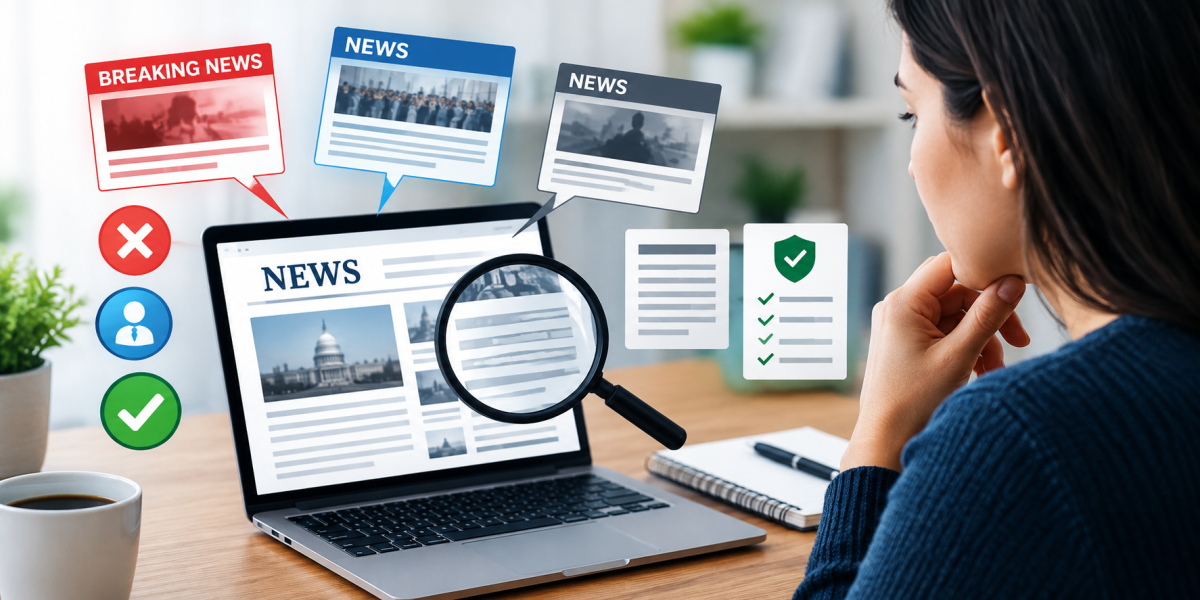
News is a means of understanding the world around us. But not all reports are true. Some stories highlight one perspective at the expense of other perspectives. It requires readers to have good critical thinking skills to distinguish fact from opinion. Biased News awareness can help people make informed decisions and have more trust in trusted information.
How do you explain the existence of media bias?
Media bias is when news coverage is biased towards a specific viewpoint, person or group. It can affect the way readers read about an event. Some outlets employ emotional headlines, cherry-picked facts or one-sided interviews. Others might exclude information that contradicts the message they want to promote.
Common signs include:
-
Fear- and anger-inducing headlines.
-
Stories that present only one viewpoint.
-
Lack of factual information or necessary background information.
-
Factual claims that are based on strong opinions.
-
Various reports on similar events.
Readers are advised to make a judgment based on the information from multiple sources.
Why is media literacy important for teachers
Students can learn to improve their news habits at school. Media literacy for teachers offers helpful means for students to learn how to question information and verify its accuracy. These skills also enable young people to see through false claims on social media.
To encourage students to:
-
Make sure to determine the author of a text.
-
Make comparisons among facts from news sources.
-
Distinguish between fact and opinion.
-
Recognize emotional words and misleading pictures.
-
Check facts on reliable sources.
These simple activities are developed to build critical thinking. They also teach students to be more confident in their use of online information.
Finding the most trustworthy news channel
Many viewers are looking for the most unbiased news channel as they want accurate reporting. But no news service will be completely unbiased on all stories. Journalists decide on the sources, headlines, and stories that they use.
Readers should check the facts on the source, rather than relying on it. Reliable outlets fix errors, furnish proof, and incorporate other views, where applicable.
Use these tips when evaluating a news source:
-
Examine if the report contains information from primary sources or data.
-
Identify the differences between news and opinion articles.
-
Discuss coverage from outlets that have varying perspectives.
-
Check corrections and updates as new facts are discovered.
-
Challenge sensationalist statements without substantiating evidence.
Establish Healthy News Habits
Small acts throughout the day can help readers minimize bias. Stop before reading a story. Look underneath the headline, and see when it was published. Seek to find original evidence before believing anything is surprising.
A thoughtful approach can help people without hurry to understand complex issues. With a little effort to verify source information, people can become more knowledgeable consumers of the news by verifying information, considering different perspectives, and posing clear questions.













Comments (0)