

Benefits of Using a Thermal Blanket for Pallets in Cold Chain Logistics

Understanding the Importance of Thermal Protection in Shipping
Temperature-sensitive products require proper protection throughout storage, handling, and transportation. Pharmaceuticals, vaccines, food products, chemicals, and other sensitive goods can be affected by exposure to unsuitable temperatures. Even short periods of temperature fluctuation may impact product quality, safety, and shelf life.
A thermal blanket for pallets is an effective solution for helping protect palletized goods from external temperature changes during transportation. These specialized covers provide an insulating layer around products, helping reduce heat transfer and maintain more stable conditions during shipping.
At Temp Note, temperature protection is an important consideration for businesses that manage sensitive products across complex supply chains. Combining suitable thermal packaging with reliable temperature monitoring can help businesses improve cold chain management and protect product integrity.
What Is a Thermal Blanket for Pallets?
A thermal blanket for pallets is an insulating cover designed to wrap around palletized shipments. It typically consists of reflective outer layers and insulating materials that help reduce the impact of external heat and temperature fluctuations.
Unlike ordinary packaging materials, thermal pallet blankets are designed specifically to support temperature-sensitive transportation. They can be used with cartons, containers, and other packaged goods that require additional thermal protection.
Depending on the design, these blankets may help protect shipments during:
-
Warehouse storage and staging
-
Loading and unloading operations
-
Road, air, and other freight transportation
-
Temporary storage between transportation stages
-
Distribution through temperature-sensitive supply chains
The performance of a thermal blanket depends on its construction, the surrounding environment, exposure duration, and the temperature requirements of the products being transported.
Key Benefits of Using a Thermal Blanket for Pallets
1. Helps Reduce Temperature Fluctuations
One of the main advantages of a thermal blanket for pallets is its ability to reduce the rate of heat transfer between a shipment and its surrounding environment. This additional insulation can help protect goods from external temperature changes during handling and transit.
For example, shipments exposed to sunlight on loading docks may experience increased heat exposure. A suitable thermal blanket can provide an additional protective barrier, helping reduce the impact of these conditions.
However, thermal blankets do not actively heat or cool products. Shipments requiring strict temperature control may still need refrigerated transportation or qualified temperature-controlled packaging.
2. Supports Pharmaceutical Cold Chain Logistics
Pharmaceutical products often require carefully controlled storage and transportation conditions. Certain medicines and vaccines must remain within specified temperature ranges to preserve their quality.
A thermal blanket for pallets can provide supplementary protection for pharmaceutical shipments during transfers between warehouses, vehicles, and distribution facilities.
When used with validated packaging and appropriate temperature monitoring equipment, thermal blankets can support cold chain procedures by helping reduce the impact of short-term environmental exposure.
Temp Note offers temperature monitoring solutions that help businesses record shipment conditions and evaluate temperature variations throughout the transportation process.
3. Helps Protect Food and Perishable Goods
Food products such as dairy items, fresh produce, frozen goods, and prepared foods can be sensitive to temperature changes. Maintaining suitable conditions is essential for protecting freshness and supporting food safety procedures.
Thermal pallet blankets can provide additional insulation when food shipments are moved between storage areas, loading docks, and transportation vehicles.
Businesses should select insulation based on the product's required temperature range and transportation conditions. Thermal protection alone cannot replace refrigeration, proper hygiene, or established food safety practices.
4. Improves Flexibility During Transportation
Logistics operations frequently involve multiple handling stages. Products may remain on loading docks, move between vehicles, or wait temporarily in distribution centers.
A thermal blanket can provide an additional layer of protection during these transitions. Many designs are lightweight and can be fitted around palletized cargo without requiring major changes to existing packaging processes.
Reusable options may also be suitable for businesses that regularly transport temperature-sensitive products, provided they are cleaned, inspected, and maintained according to operational requirements.
5. Helps Support Product Quality
Temperature excursions can create financial losses through damaged goods, rejected deliveries, product replacement, and shipment delays.
Using a suitable thermal blanket for pallets as part of a broader temperature-control strategy may help reduce exposure to unfavorable environmental conditions.
Businesses can improve their protection strategy by combining insulation, appropriate transportation equipment, temperature monitoring, and documented handling procedures.
Industries That Benefit from Thermal Pallet Blankets
Thermal pallet blankets are useful across several industries where external temperature exposure can affect products.
Pharmaceuticals and healthcare: Medicines, vaccines, diagnostic materials, and other sensitive healthcare products may require additional thermal protection during transportation.
Food and beverage: Perishable foods and temperature-sensitive ingredients can benefit from supplementary insulation during loading, unloading, and distribution.
Chemical manufacturing: Certain chemicals and specialty materials require controlled environmental conditions to preserve their characteristics during shipping.
Biotechnology and life sciences: Laboratory supplies, research materials, and biological products may require carefully planned packaging and transportation procedures.
Electronics and specialty products: Some products can be affected by environmental conditions during storage and transit. Appropriate protective packaging can help manage these risks.
The suitability of a thermal blanket depends on the specific product, its temperature requirements, and the expected shipping environment.
How to Choose the Right Thermal Blanket for Pallets
Selecting the correct blanket requires evaluating several factors.
1. Identify Temperature Requirements
Determine the acceptable temperature range for the products being transported. Consider whether the shipment needs protection against heat, cold, or changing ambient conditions.
For products with strict temperature requirements, verify that the complete packaging system can maintain the necessary conditions under expected shipping conditions.
2. Check Insulation and Material Quality
Review the blanket's insulating layers, reflective properties, durability, and overall construction. The material should be suitable for the expected transport environment and the dimensions of the pallet.
Manufacturers' performance specifications and test data can help determine whether a particular blanket meets operational requirements.
3. Consider Pallet Size and Coverage
Choose a blanket that adequately covers the shipment. Gaps around the sides or top may reduce its effectiveness.
The blanket should fit securely without interfering with safe handling, pallet stability, or other packaging components.
4. Evaluate Reusability
Businesses with frequent shipping operations may prefer reusable thermal blankets. Consider cleaning requirements, inspection procedures, durability, and the cost of replacing damaged covers.
Single-use or specialized solutions may be more appropriate for certain shipment types or contamination-sensitive applications.
5. Assess Shipping Duration and Conditions
A short transfer across a protected facility presents different risks from a long-distance shipment involving multiple stops and extended outdoor exposure.
Evaluate expected transit time, ambient temperatures, humidity, direct sunlight, and handling delays before selecting a thermal protection solution.
Combining Thermal Blankets with Temperature Monitoring
Thermal insulation can help reduce heat transfer, but it cannot confirm the actual temperature of the products inside a shipment. Temperature monitoring provides valuable information about the conditions experienced during transportation.
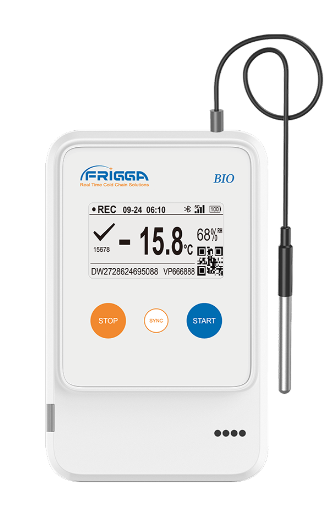
A temperature data logger can record temperature readings at defined intervals, allowing businesses to review environmental conditions and identify potential excursions.
For suitable applications, Temp Note provides temperature monitoring solutions designed to support shipment visibility and temperature recordkeeping.
Combining a thermal blanket for pallets with an appropriate temperature monitoring device offers several advantages:
-
Records temperature conditions during transit.
-
Helps identify possible temperature excursions.
-
Supports shipment reviews and quality investigations.
-
Provides documented information for cold chain management.
-
Helps businesses evaluate packaging and transportation performance.
Monitoring equipment should be selected according to the required temperature range, recording duration, accuracy, calibration requirements, and reporting needs.
For regulated pharmaceutical shipments, businesses should also follow applicable quality procedures and validate the complete shipping system rather than relying on insulation or monitoring equipment alone.
Best Practices for Using Thermal Blankets
To achieve reliable results, businesses should establish clear procedures for using thermal pallet blankets.
-
Inspect blankets before use for tears, damaged seams, or missing components.
-
Ensure the pallet is packed securely and the blanket covers the intended areas.
-
Minimize unnecessary exposure during loading and unloading.
-
Follow the manufacturer's instructions for installation and storage.
-
Use suitable temperature monitoring equipment for sensitive shipments.
-
Review recorded data after delivery and investigate unexpected temperature variations.
-
Clean and maintain reusable blankets according to the manufacturer's recommendations.
These practices help integrate thermal protection into a consistent and well-documented shipping process.
Conclusion
A thermal blanket for pallets can be a valuable addition to temperature-sensitive shipping operations. By providing an insulating barrier, it helps reduce the impact of external temperature fluctuations and supports the protection of pharmaceutical products, food items, and other sensitive goods.
Choosing the right blanket requires careful consideration of product requirements, shipping duration, material performance, pallet dimensions, and transportation conditions. For shipments that require precise temperature control, thermal blankets should be used alongside suitable packaging, controlled transportation, and reliable monitoring equipment.
Temp Note supports temperature-sensitive logistics with temperature monitoring solutions that help businesses record shipment conditions and improve visibility throughout the cold chain. By combining appropriate thermal protection with effective monitoring practices, businesses can make more informed decisions and work toward safer, more reliable transportation.
















Comments (0)